THE ADVENTURE COLLECTIVE® · Independent discovery and booking for outdoor travel

See Abu Simbel’s colossal rock-cut temples and Luxor’s valley tombs in an intense two-day loop from Cairo. Fast domestic flights, one luxury night, and guided access to key archaeological sites make this a compact archeological sprint.
See Abu Simbel’s colossal rock-cut temples and Luxor’s valley tombs in an intense two-day loop from Cairo. Fast domestic flights, one luxury night, and guided access to key archaeological sites make this a compact archeological sprint.
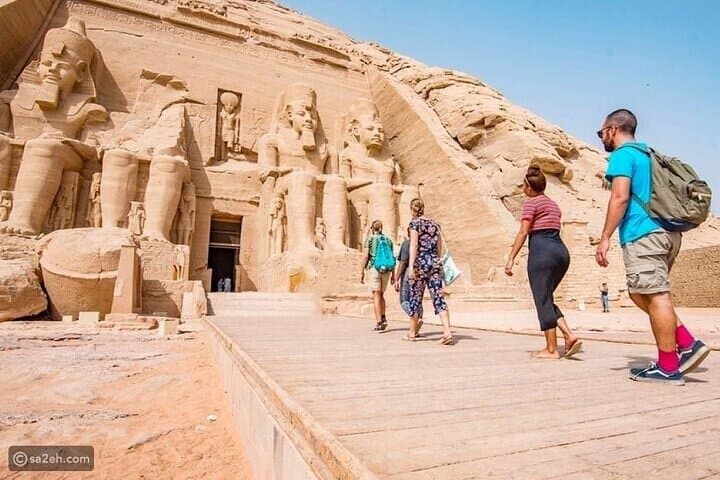
You step out of an early-morning Cairo hotel into a dry, orange light and feel the Nile already tugging at the horizon. The day moves fast: a short domestic flight, the hush of sandstone facades at Abu Simbel, then a quiet night in a five-star hotel before Luxor’s tombs and temple avenues take over the next day.
Verified experiences and guided adventures in the surrounding area.
Operated by Egypt Best Holidays · Cairo, Cairo Governorate
You step out of an early-morning Cairo hotel into a dry, orange light and feel the Nile already tugging at the horizon. The day moves fast: a short domestic flight, the hush of sandstone facades at Abu Simbel, then a quiet night in a five-star hotel before Luxor’s tombs and temple avenues take over the next day.
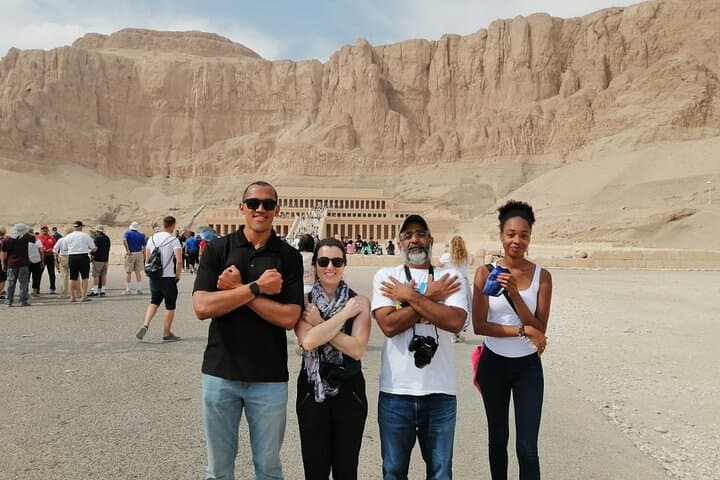
Abu Simbel’s colossal statues—carved under Ramses II—were physically moved in the 1960s to escape the Aswan High Dam’s rising waters, a feat that underlines modern engineering meeting millennia-old ambition. Luxor and Karnak occupy the east bank’s living city and the west bank’s funerary plains; the Valley of the Kings holds clustered rock-cut tombs whose painted corridors still guide visitors through pharaonic afterlife beliefs.
Expect broad desert approaches, paved access paths, and indoor chambers where flash-free photography rules may apply. The itinerary compresses a lot of ground: dawn departures, roughly four to eight hours at major sites, and domestic flights between Cairo–Aswan–Luxor. Local guides will frame inscriptions, point out reused blocks, and explain temple solar alignments.
Practical edge: carry a sun hat, water, and a light layer for early-morning flights; plan for quick transitions and modest dress inside religious sites. Bring copies of passports for domestic flights and allow time for security and ticket lines. If you prefer fewer hours on the move, consider extending the stay in Luxor or Aswan—both cities reward slower exploration.
moderate.
2 days (approx. 48 hours).
Suitable for travelers who can manage multiple short walks, stairs and standing for guided visits; minimal endurance required but expect long days.
Many nationalities require a visa; check Egypt’s current e-visa rules before travel and carry documentation for domestic flights.
This tour states that main entrance fees in the itinerary are included; verify which specific tombs or special-access chambers may require extra tickets on site.
The tour lists wheelchair accessibility, but note that many archaeological sites have uneven surfaces and steps—confirm access needs with the operator before booking.
Photography rules vary—some interiors prohibit flash or photography; follow guide directions to protect fragile pigments and avoid penalties.
Abu Simbel was carved under Ramses II and later relocated to avoid reservoirs from the Aswan High Dam; Luxor (ancient Thebes) was Egypt’s religious heart with temples added across dynasties.
Visitor management and preservation projects protect painted tombs and relocated monuments; stick to paths, avoid touching reliefs, and use local guides to minimize impact.
Egypt Best Holidays operates guided outdoor trips and adventures with an emphasis on safety, stewardship, and memorable experiences.

You step out of an early-morning Cairo hotel into a dry, orange light and feel the Nile already tugging at the horizon. The day moves fast: a short domestic flight, the hush of sandstone facades at Abu Simbel, then a quiet night in a five-star hotel before Luxor’s tombs and temple avenues take over the next day.
You step out of an early-morning Cairo hotel into a dry, orange light and feel the Nile already tugging at the horizon. The day moves fast: a short domestic flight, the hush of sandstone facades at Abu Simbel, then a quiet night in a five-star hotel before Luxor’s tombs and temple avenues take over the next day.
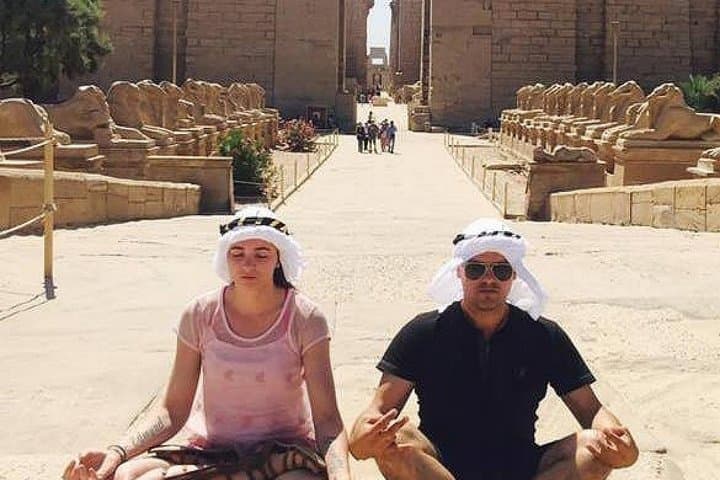
Abu Simbel’s colossal statues—carved under Ramses II—were physically moved in the 1960s to escape the Aswan High Dam’s rising waters, a feat that underlines modern engineering meeting millennia-old ambition. Luxor and Karnak occupy the east bank’s living city and the west bank’s funerary plains; the Valley of the Kings holds clustered rock-cut tombs whose painted corridors still guide visitors through pharaonic afterlife beliefs.
Expect broad desert approaches, paved access paths, and indoor chambers where flash-free photography rules may apply. The itinerary compresses a lot of ground: dawn departures, roughly four to eight hours at major sites, and domestic flights between Cairo–Aswan–Luxor. Local guides will frame inscriptions, point out reused blocks, and explain temple solar alignments.
Practical edge: carry a sun hat, water, and a light layer for early-morning flights; plan for quick transitions and modest dress inside religious sites. Bring copies of passports for domestic flights and allow time for security and ticket lines. If you prefer fewer hours on the move, consider extending the stay in Luxor or Aswan—both cities reward slower exploration.