THE ADVENTURE COLLECTIVE® · Independent discovery and booking for outdoor travel

Fly from Cairo to visit Abu Simbel, sleep in Luxor at a 5‑star hotel, and rise for a hot‑air balloon over the Valley of the Kings. This two‑day itinerary bundles the highlights—domestic flights, guided temple tours, entrance fees, and transfers—into an intense, manageable Egypt experience.
Fly from Cairo to visit Abu Simbel, sleep in Luxor at a 5‑star hotel, and rise for a hot‑air balloon over the Valley of the Kings. This two‑day itinerary bundles the highlights—domestic flights, guided temple tours, entrance fees, and transfers—into an intense, manageable Egypt experience.
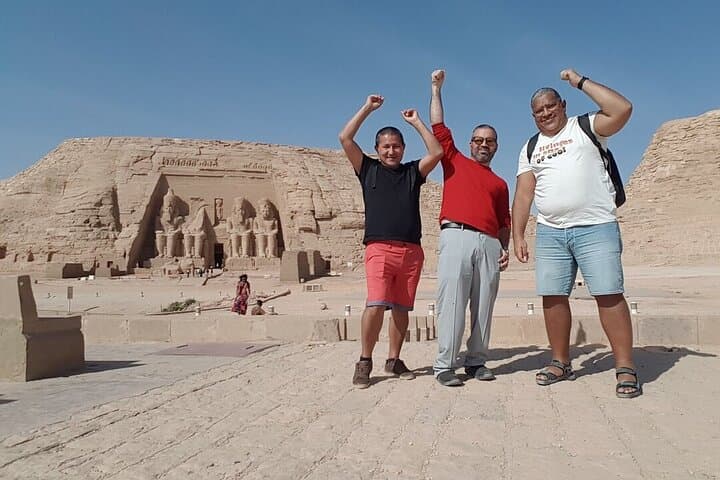
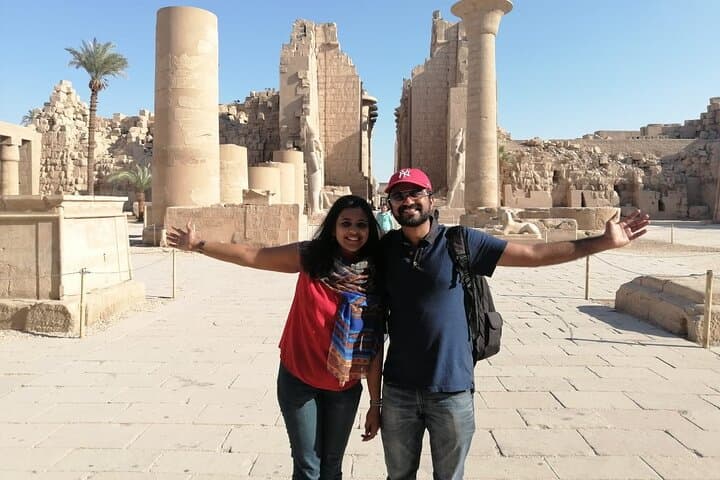
Dawn arrives like a slow exhale over the Nile valley—pale light lifting the columns of Karnak and turning the sandstone of Abu Simbel honey-colored. You step into that light on day one after a short domestic flight: towering Ramses II faces stare down from a cliff, and later a quiet Luxor evening softens around your 5-star hotel.
Verified experiences and guided adventures in the surrounding area.
Operated by Egypt Best Holidays · Luxor, Luxor Governorate
Dawn arrives like a slow exhale over the Nile valley—pale light lifting the columns of Karnak and turning the sandstone of Abu Simbel honey-colored. You step into that light on day one after a short domestic flight: towering Ramses II faces stare down from a cliff, and later a quiet Luxor evening softens around your 5-star hotel.
This compact 48‑hour circuit threads together two eras of Ancient Egypt: the colossal, New Kingdom spectacle of Abu Simbel—carved into a cliff by Ramses II—and the concentrated funerary landscape of Thebes on Luxor’s West Bank. Geology here is simple and dramatic: Nile-fed alluvium at low elevations meets bands of sandstone and limestone uplifted into cliffs that provided the raw canvases for temples. Cultural layers run just as deep: modern Nubian communities near Aswan, Cairo’s cosmopolitan transit, and Luxor’s market life keep the past in present tense.
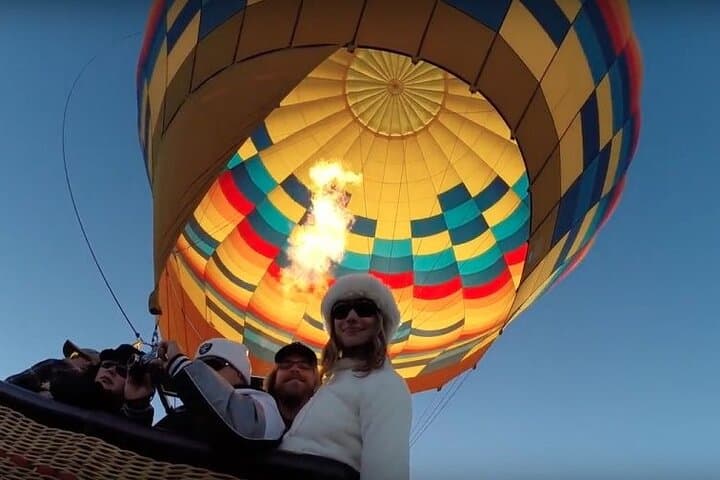
Practicalities matter: expect very early starts (balloon lift at ~4:30 AM), domestic flights, and several transfers included. Entrance fees, an Egyptologist guide, and the hot-air balloon are covered; luggage is typically checked through but pack light for transfers. Wear sun-protective clothing, sturdy shoes for uneven temple floors, and carry a refillable water bottle; mornings can be cool while midday heats quickly. Mobility access varies—some sites have stairs and sandy approaches—so plan accordingly.
This itinerary balances spectacle with logistics: big monuments, short travel hops, and one restful night in a luxury hotel to reset between two of Egypt’s most visitable and iconic landscapes.
easy.
2 days (approx. 48 hours).
Suitable for most fitness levels; involves walking on uneven terrain and early starts but no technical exertion.
Yes — domestic flights between Cairo, Luxor, and Aswan plus airport/hotel transfers listed in the itinerary are included in the tour price.
Balloon operators follow safety standards; passengers should be able to stand and climb into the basket. Check age limits with the operator and notify about mobility issues when booking.
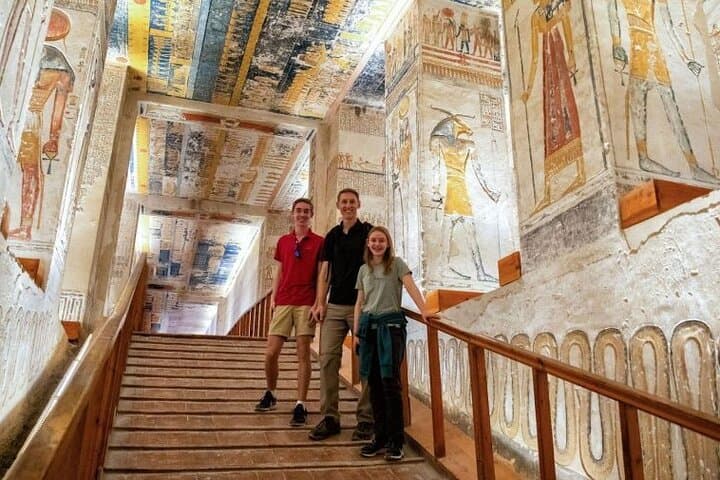
Expect moderate walking and some stair climbs—Valley of the Kings involves uneven tomb entrances and corridors, while Abu Simbel has level approaches and steps.
Most visitors to Egypt require a visa and a passport valid for at least six months; passport details are collected at booking and airport immigration rules apply.
Abu Simbel was carved by Ramses II in the 13th century BCE and relocated in the 1960s to save it from the rising waters of Lake Nasser; Luxor (ancient Thebes) served as the New Kingdom’s religious and political heart.
The 1960s UNESCO relocation of Abu Simbel is a landmark in heritage preservation; ongoing visitor management aims to protect fragile tomb paintings and limit erosion from foot traffic.
Egypt Best Holidays operates guided outdoor trips and adventures with an emphasis on safety, stewardship, and memorable experiences.
Dawn arrives like a slow exhale over the Nile valley—pale light lifting the columns of Karnak and turning the sandstone of Abu Simbel honey-colored. You step into that light on day one after a short domestic flight: towering Ramses II faces stare down from a cliff, and later a quiet Luxor evening softens around your 5-star hotel.
Dawn arrives like a slow exhale over the Nile valley—pale light lifting the columns of Karnak and turning the sandstone of Abu Simbel honey-colored. You step into that light on day one after a short domestic flight: towering Ramses II faces stare down from a cliff, and later a quiet Luxor evening softens around your 5-star hotel.
This compact 48‑hour circuit threads together two eras of Ancient Egypt: the colossal, New Kingdom spectacle of Abu Simbel—carved into a cliff by Ramses II—and the concentrated funerary landscape of Thebes on Luxor’s West Bank. Geology here is simple and dramatic: Nile-fed alluvium at low elevations meets bands of sandstone and limestone uplifted into cliffs that provided the raw canvases for temples. Cultural layers run just as deep: modern Nubian communities near Aswan, Cairo’s cosmopolitan transit, and Luxor’s market life keep the past in present tense.
Practicalities matter: expect very early starts (balloon lift at ~4:30 AM), domestic flights, and several transfers included. Entrance fees, an Egyptologist guide, and the hot-air balloon are covered; luggage is typically checked through but pack light for transfers. Wear sun-protective clothing, sturdy shoes for uneven temple floors, and carry a refillable water bottle; mornings can be cool while midday heats quickly. Mobility access varies—some sites have stairs and sandy approaches—so plan accordingly.
This itinerary balances spectacle with logistics: big monuments, short travel hops, and one restful night in a luxury hotel to reset between two of Egypt’s most visitable and iconic landscapes.