THE ADVENTURE COLLECTIVE® · Independent discovery and booking for outdoor travel

Travel from Aswan to see Abu Simbel’s colossal statues and the elegant Kalabsha Temple on this private full-day tour. Learn how UNESCO’s 1960s relocation saved these monuments, then explore reliefs and sanctuaries at your own pace.
Travel from Aswan to see Abu Simbel’s colossal statues and the elegant Kalabsha Temple on this private full-day tour. Learn how UNESCO’s 1960s relocation saved these monuments, then explore reliefs and sanctuaries at your own pace.
A low sun stretches long shadows over the desert as the road south from Aswan narrows into scrub and rock. Tires hum and the wind off Lake Nasser presses warm across the windows; the landscape seems to push travelers forward toward two of Egypt’s most dramatic rescue stories. At Abu Simbel the four seated colossi of Ramses II loom from quarried rock, their faces weathered but intact; at Kalabsha a graceful pylon and hypostyle hall display reliefs rewritten by centuries of rulers.
Verified experiences and guided adventures in the surrounding area.
Operated by Eyes of Egypt · Aswan, Aswan Governorate
A low sun stretches long shadows over the desert as the road south from Aswan narrows into scrub and rock. Tires hum and the wind off Lake Nasser presses warm across the windows; the landscape seems to push travelers forward toward two of Egypt’s most dramatic rescue stories. At Abu Simbel the four seated colossi of Ramses II loom from quarried rock, their faces weathered but intact; at Kalabsha a graceful pylon and hypostyle hall display reliefs rewritten by centuries of rulers.
Both sites speak of movement: carved from sandstone in the 13th century BC and relocated in the 1960s by an international effort to save them from the rising waters behind the Aswan High Dam. Geology here is simple and stark—hard Nubian sandstone and broad, wind-swept plains that have preserved carvings and graffiti across millennia. Cultural layers are visible: pharaonic reliefs, Roman-era additions, and Christian-era markings at Kalabsha.
Practically, expect a long but manageable day—roughly 10–11 hours round trip from Aswan, with about three hours each way by road. The private format allows lingering over hieroglyphs, photographing without the crush, and focusing on engineering details of the relocation. Bring strong sun protection, at least 2 liters of water, and comfortable shoes for low steps and uneven temple thresholds. Early departures avoid peak heat; inside the sanctuaries, light levels drop and camera flashes are often restricted—move carefully, leave no trace, and allow the stones to tell their centuries of stories.
easy.
10–11 hours.
Suitable for most fitness levels; involves short walks, low steps, and some standing while touring interiors.
Expect about three hours one way by road (approximately 280 km / 175 miles), including brief rest stops.
Some packages include entrance fees (Premium); confirm when booking—many options offer transportation only or with an expert guide.
Yes; this private day tour is designed to visit Abu Simbel and Kalabsha in a single 10–11 hour excursion from Aswan.
The itinerary lists wheelchair-accessible options and short walks, but temple interiors have steps and uneven flooring—check accessibility details before booking.
Both temples were dismantled and relocated in the 1960s under a UNESCO-led campaign to save monuments from Lake Nasser after the Aswan High Dam’s construction.
Tour operators work with site authorities to limit impact—stay on marked paths, avoid touching reliefs, and carry out all waste to protect fragile stone surfaces.
Eyes of Egypt operates guided outdoor trips and adventures with an emphasis on safety, stewardship, and memorable experiences.
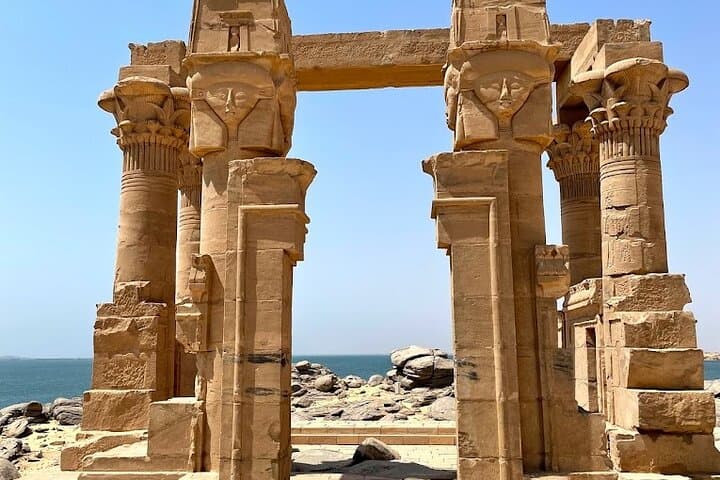
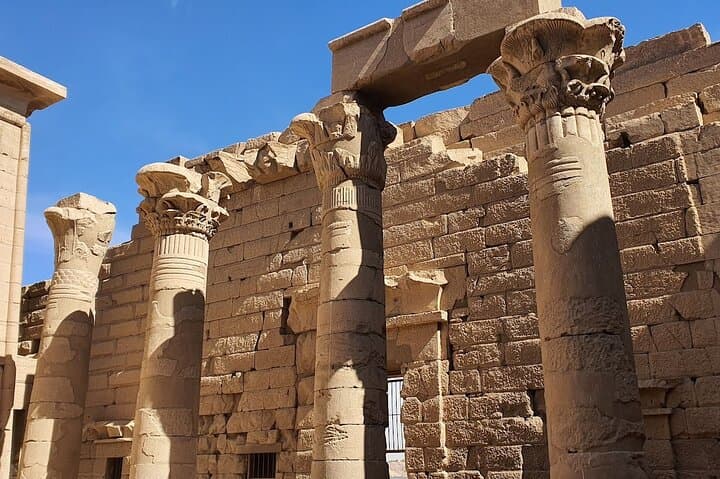
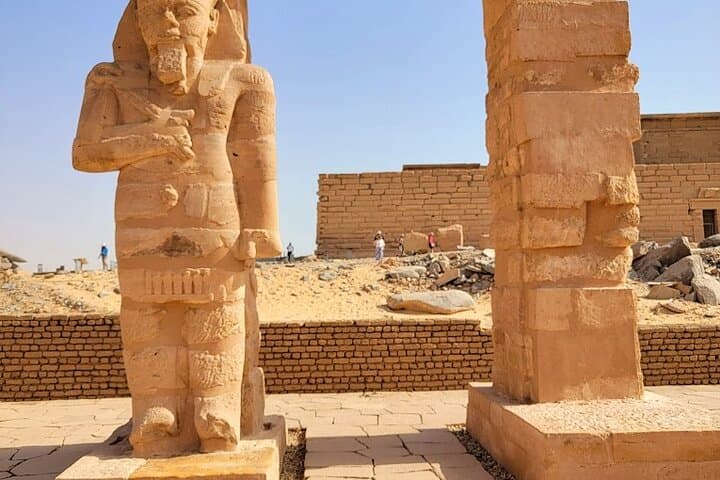
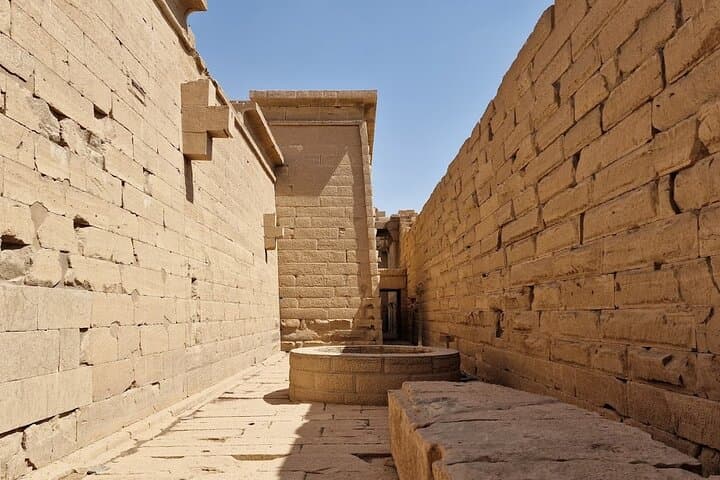
A low sun stretches long shadows over the desert as the road south from Aswan narrows into scrub and rock. Tires hum and the wind off Lake Nasser presses warm across the windows; the landscape seems to push travelers forward toward two of Egypt’s most dramatic rescue stories. At Abu Simbel the four seated colossi of Ramses II loom from quarried rock, their faces weathered but intact; at Kalabsha a graceful pylon and hypostyle hall display reliefs rewritten by centuries of rulers.
A low sun stretches long shadows over the desert as the road south from Aswan narrows into scrub and rock. Tires hum and the wind off Lake Nasser presses warm across the windows; the landscape seems to push travelers forward toward two of Egypt’s most dramatic rescue stories. At Abu Simbel the four seated colossi of Ramses II loom from quarried rock, their faces weathered but intact; at Kalabsha a graceful pylon and hypostyle hall display reliefs rewritten by centuries of rulers.
Both sites speak of movement: carved from sandstone in the 13th century BC and relocated in the 1960s by an international effort to save them from the rising waters behind the Aswan High Dam. Geology here is simple and stark—hard Nubian sandstone and broad, wind-swept plains that have preserved carvings and graffiti across millennia. Cultural layers are visible: pharaonic reliefs, Roman-era additions, and Christian-era markings at Kalabsha.
Practically, expect a long but manageable day—roughly 10–11 hours round trip from Aswan, with about three hours each way by road. The private format allows lingering over hieroglyphs, photographing without the crush, and focusing on engineering details of the relocation. Bring strong sun protection, at least 2 liters of water, and comfortable shoes for low steps and uneven temple thresholds. Early departures avoid peak heat; inside the sanctuaries, light levels drop and camera flashes are often restricted—move carefully, leave no trace, and allow the stones to tell their centuries of stories.