THE ADVENTURE COLLECTIVE® · Independent discovery and booking for outdoor travel

See Abu Dhabi’s signature sights in a single private day: falcons at the world’s leading Falcon Hospital, photo views from Wahat Al Karama, the Sheikh Zayed Grand Mosque, and a stop at Emirates Palace. Practical timing, dress code, and heat tips help you make the most of the route.
See Abu Dhabi’s signature sights in a single private day: falcons at the world’s leading Falcon Hospital, photo views from Wahat Al Karama, the Sheikh Zayed Grand Mosque, and a stop at Emirates Palace. Practical timing, dress code, and heat tips help you make the most of the route.
You step from an air-conditioned vehicle into Abu Dhabi’s wide avenues where the sea breeze meets sun-warmed stone. The morning begins at the Abu Dhabi Falcon Hospital: the hush of the aviary, handlers moving with practiced calm, and the heavy, deliberate blink of a falcon held on a gloved fist. Later the city opens into ceremonial space — Wahat Al Karama framing views across to the Sheikh Zayed Grand Mosque — a place where white marble and reflective pools blunt the desert glare.
Verified experiences and guided adventures in the surrounding area.
Operated by Bravo Asia Tours · Abu Dhabi, Abu Dhabi
You step from an air-conditioned vehicle into Abu Dhabi’s wide avenues where the sea breeze meets sun-warmed stone. The morning begins at the Abu Dhabi Falcon Hospital: the hush of the aviary, handlers moving with practiced calm, and the heavy, deliberate blink of a falcon held on a gloved fist. Later the city opens into ceremonial space — Wahat Al Karama framing views across to the Sheikh Zayed Grand Mosque — a place where white marble and reflective pools blunt the desert glare.
This route threads modern UAE history and coastal geography. Qasr Al Hosn marks the original stone fort around which Abu Dhabi grew; Saadiyat Island represents recent cultural investment beside natural sandbanks and marine habitat. Architecturally the Grand Mosque blends Ottoman, Mamluk, and Mughal influences under Sheikh Zayed’s vision of cultural dialogue.
Practical guidance is simple: allow 8–10 hours for the full circuit, with most time spent at the Falcon Hospital and Emirates Palace. Dress conservatively for the mosque — shoulders and knees covered; women should carry a headscarf. Heat management matters year-round: sunscreen, frequent water breaks, and morning or late-afternoon timing make the walk between sites easier. Photography is excellent at Wahat Al Karama and Saadiyat’s shoreline; bring extra battery and respect no-photo zones at some cultural sites.
Expect light walking, seated lunch at a local restaurant, and accessible transport between stops. The tour balances wildlife-focused moments with civic landmarks, offering a compact, informative view of Abu Dhabi’s past, present, and coastal setting.
easy.
8–10 hours.
Suitable for most fitness levels; requires light walking, short standing periods, and getting in/out of the vehicle.
Admission is generally free, but the tour includes guided time and respects mosque visiting hours and dress rules.
Yes—handled by staff during the visit when permitted; interactions depend on bird condition and staff instructions.
Yes, a local restaurant lunch is included; during Ramadan or if you opt out, a partial refund may be offered per operator policy.
Yes, the itinerary notes wheelchair-accessible transport and surfaces at most stops, but confirm specific needs at booking.
Qasr Al Hosn is Abu Dhabi’s oldest stone building, originally a defensive watchtower that anchored the emirate’s development; Sheikh Zayed’s mosque reflects his push for cultural pluralism in national architecture.
The Falcon Hospital doubles as a conservation and research center for raptor health; Saadiyat Island projects include marine protection measures—visitors should avoid disturbing shorelines and follow site guidelines.
Bravo Asia Tours operates guided outdoor trips and adventures with an emphasis on safety, stewardship, and memorable experiences.
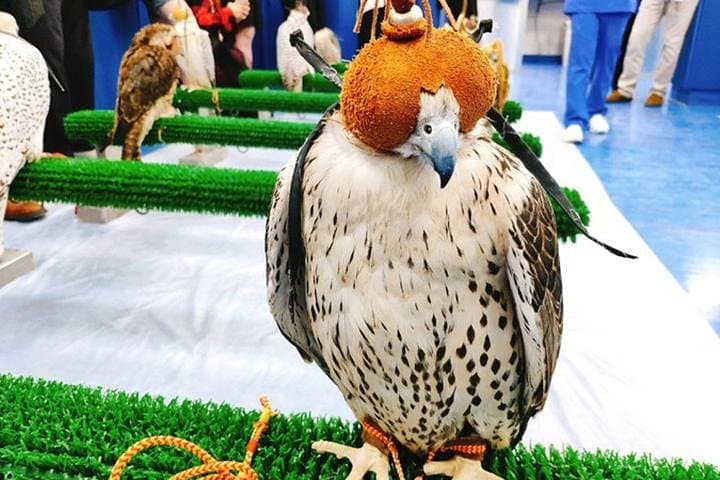
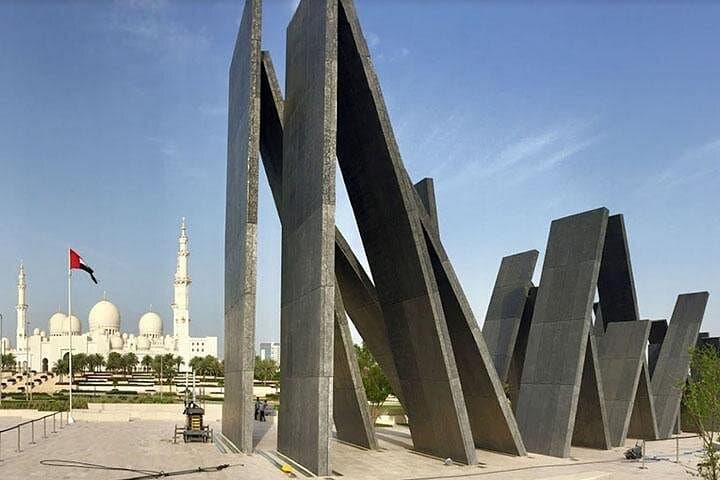
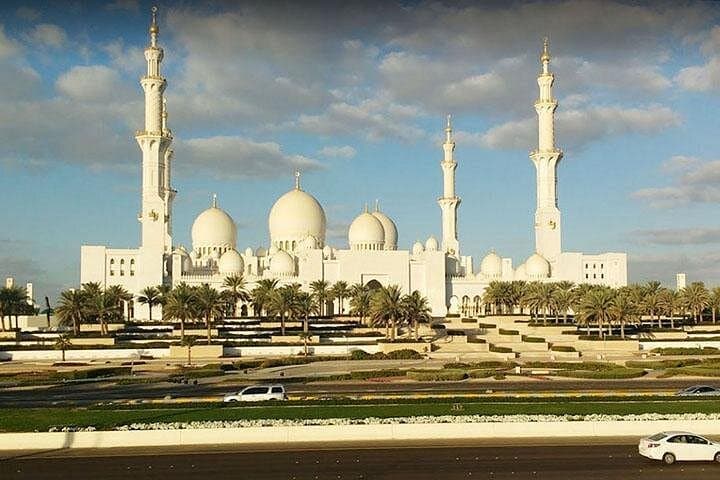
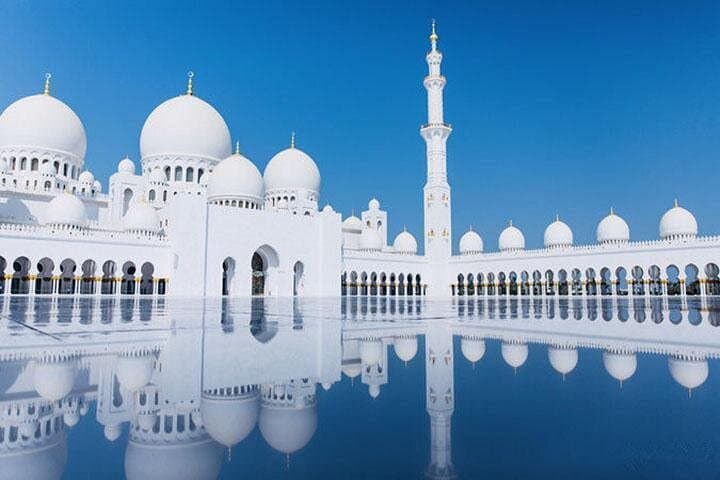
You step from an air-conditioned vehicle into Abu Dhabi’s wide avenues where the sea breeze meets sun-warmed stone. The morning begins at the Abu Dhabi Falcon Hospital: the hush of the aviary, handlers moving with practiced calm, and the heavy, deliberate blink of a falcon held on a gloved fist. Later the city opens into ceremonial space — Wahat Al Karama framing views across to the Sheikh Zayed Grand Mosque — a place where white marble and reflective pools blunt the desert glare.
You step from an air-conditioned vehicle into Abu Dhabi’s wide avenues where the sea breeze meets sun-warmed stone. The morning begins at the Abu Dhabi Falcon Hospital: the hush of the aviary, handlers moving with practiced calm, and the heavy, deliberate blink of a falcon held on a gloved fist. Later the city opens into ceremonial space — Wahat Al Karama framing views across to the Sheikh Zayed Grand Mosque — a place where white marble and reflective pools blunt the desert glare.
This route threads modern UAE history and coastal geography. Qasr Al Hosn marks the original stone fort around which Abu Dhabi grew; Saadiyat Island represents recent cultural investment beside natural sandbanks and marine habitat. Architecturally the Grand Mosque blends Ottoman, Mamluk, and Mughal influences under Sheikh Zayed’s vision of cultural dialogue.
Practical guidance is simple: allow 8–10 hours for the full circuit, with most time spent at the Falcon Hospital and Emirates Palace. Dress conservatively for the mosque — shoulders and knees covered; women should carry a headscarf. Heat management matters year-round: sunscreen, frequent water breaks, and morning or late-afternoon timing make the walk between sites easier. Photography is excellent at Wahat Al Karama and Saadiyat’s shoreline; bring extra battery and respect no-photo zones at some cultural sites.
Expect light walking, seated lunch at a local restaurant, and accessible transport between stops. The tour balances wildlife-focused moments with civic landmarks, offering a compact, informative view of Abu Dhabi’s past, present, and coastal setting.