THE ADVENTURE COLLECTIVE® · Independent discovery and booking for outdoor travel

A three-hour walking tour that threads Abu Dhabi’s newest and oldest landmarks—from a quietly elegant mosque to the bustling Central Market Project—pairing cultural context with practical city navigation. Ideal for travelers who want history and modernity in one urban stroll.
A three-hour walking tour that threads Abu Dhabi’s newest and oldest landmarks—from a quietly elegant mosque to the bustling Central Market Project—pairing cultural context with practical city navigation. Ideal for travelers who want history and modernity in one urban stroll.
Morning light softens the limestone facades as the group steps off the curb and into Abu Dhabi’s city spine—cool tiles beneath their shoes, the mosque’s minarets slicing the sky. The walk moves at a human pace: quiet reflection at Zayed The 2nd Mosque, then the timeworn stones of Qasr Al Hosn watched from outside, each stop shifting the story from sacred spaces to commercial bustle.
Verified experiences and guided adventures in the surrounding area.
Operated by Opatrip.com United Arab Emirates · Abu Dhabi, Abu Dhabi
Morning light softens the limestone facades as the group steps off the curb and into Abu Dhabi’s city spine—cool tiles beneath their shoes, the mosque’s minarets slicing the sky. The walk moves at a human pace: quiet reflection at Zayed The 2nd Mosque, then the timeworn stones of Qasr Al Hosn watched from outside, each stop shifting the story from sacred spaces to commercial bustle.
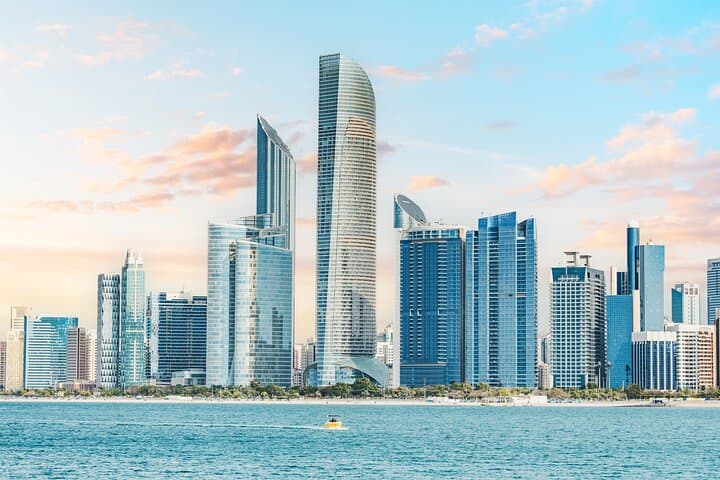
This compact trail traces Abu Dhabi’s trajectory from pearling village and fort to oil-era capital. Geologically, the coastline is recent—sandy flats and reclaimed shorelines shaped by tidal action—so historic architecture concentrates meaning rather than grand elevation. Culturally, the route threads traditional souk life at the Central Market Project with contemporary markers like the World Trade Center Abu Dhabi, showing how commerce and identity coexist.
Expect shaded plazas, public art—Etihad Square’s oversized coffee pot and incense burner make good photo anchors—and the tactile rhythm of market stalls. The walk favors steady footing on paved promenades and occasional step-ups; total distance walks comfortably within three hours, with multiple short stops.
Practical notes: dress conservatively for mosque visits (shoulders and knees covered), carry a refillable water bottle, and start early to avoid midafternoon heat. Public transport and taxis cluster nearby; most stops are outside visits but a local guide adds historical context and navigation through busy squares. Bring comfortable closed shoes for city walking and keep valuables secure during crowded market browsing.
easy.
3 hours.
Suitable for most fitness levels—requires standing and walking on paved city paths for about three hours.
This walking tour includes an external visit to mosque grounds; entry policies vary—confirm with your guide if interior access is required and be prepared for separate entry rules.
Yes—sites are accessible and the pace is gentle, though participants should be comfortable walking up to three hours with short breaks.
Local guides commonly speak English; multilingual guides may be available on request—check when booking.
Haggling is reasonable for some stalls; carrying small bills is useful and tipping is appreciated for good service but not mandatory.
Qasr Al Hosn is the city’s oldest stone building and symbolic birthplace of Abu Dhabi; the modern skyline rose rapidly after oil revenues transformed the emirate in the 20th century.
Mangrove stands and coastal habitats near the city are under conservation efforts; visitors should avoid disturbing shoreline vegetation and reduce single-use plastics to support local sustainability.
Opatrip.com United Arab Emirates operates guided outdoor trips and adventures with an emphasis on safety, stewardship, and memorable experiences.


Morning light softens the limestone facades as the group steps off the curb and into Abu Dhabi’s city spine—cool tiles beneath their shoes, the mosque’s minarets slicing the sky. The walk moves at a human pace: quiet reflection at Zayed The 2nd Mosque, then the timeworn stones of Qasr Al Hosn watched from outside, each stop shifting the story from sacred spaces to commercial bustle.
Morning light softens the limestone facades as the group steps off the curb and into Abu Dhabi’s city spine—cool tiles beneath their shoes, the mosque’s minarets slicing the sky. The walk moves at a human pace: quiet reflection at Zayed The 2nd Mosque, then the timeworn stones of Qasr Al Hosn watched from outside, each stop shifting the story from sacred spaces to commercial bustle.
This compact trail traces Abu Dhabi’s trajectory from pearling village and fort to oil-era capital. Geologically, the coastline is recent—sandy flats and reclaimed shorelines shaped by tidal action—so historic architecture concentrates meaning rather than grand elevation. Culturally, the route threads traditional souk life at the Central Market Project with contemporary markers like the World Trade Center Abu Dhabi, showing how commerce and identity coexist.
Expect shaded plazas, public art—Etihad Square’s oversized coffee pot and incense burner make good photo anchors—and the tactile rhythm of market stalls. The walk favors steady footing on paved promenades and occasional step-ups; total distance walks comfortably within three hours, with multiple short stops.
Practical notes: dress conservatively for mosque visits (shoulders and knees covered), carry a refillable water bottle, and start early to avoid midafternoon heat. Public transport and taxis cluster nearby; most stops are outside visits but a local guide adds historical context and navigation through busy squares. Bring comfortable closed shoes for city walking and keep valuables secure during crowded market browsing.