THE ADVENTURE COLLECTIVE® · Independent discovery and booking for outdoor travel

Experience high-octane dune bashing, a brief camel ride and a Bedouin-style BBQ under desert skies. This 7-hour evening safari combines adrenaline, culture and sunset photography outside Abu Dhabi.
Experience high-octane dune bashing, a brief camel ride and a Bedouin-style BBQ under desert skies. This 7-hour evening safari combines adrenaline, culture and sunset photography outside Abu Dhabi.
The Land Cruiser powers onto a ribbon of sand and asphalt, tires humming as the sun begins its slow exit. In an hour and a half you leave the city skyline behind and the dunes start to tilt like waves—sharp crests that the driver reads and rides with practiced ease. By dusk the sand drinks the light; shadows lengthen and the desert seems to breathe around a Bedouin-style camp where lanterns and low carpets mark a temporary village.
Verified experiences and guided adventures in the surrounding area.
Operated by Extreme Tours - Desert Safari in Abu Dhabi · Abu Dhabi, Abu Dhabi
The Land Cruiser powers onto a ribbon of sand and asphalt, tires humming as the sun begins its slow exit. In an hour and a half you leave the city skyline behind and the dunes start to tilt like waves—sharp crests that the driver reads and rides with practiced ease. By dusk the sand drinks the light; shadows lengthen and the desert seems to breathe around a Bedouin-style camp where lanterns and low carpets mark a temporary village.
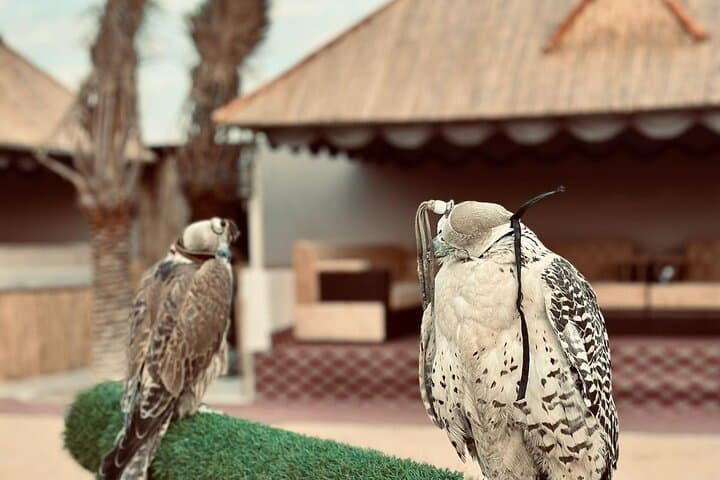
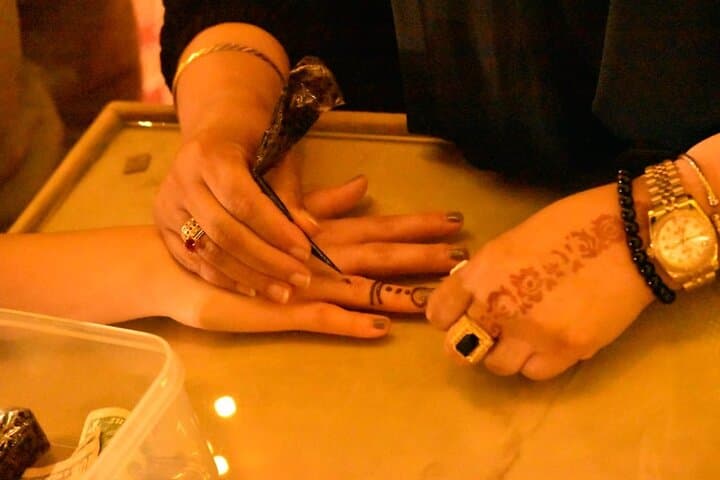
This part of the Arabian Desert is formed of Pleistocene and Holocene sands blown inland from the coast, producing high crescent and linear dunes. Human presence here traces from nomadic Bedouin routes and camel caravan networks to modern recreational uses; falconry and coffee rituals link past and present. At camp you'll encounter live tanoura and belly dance performances, henna painting, sheesha, and a barbecue spread with vegetarian options.
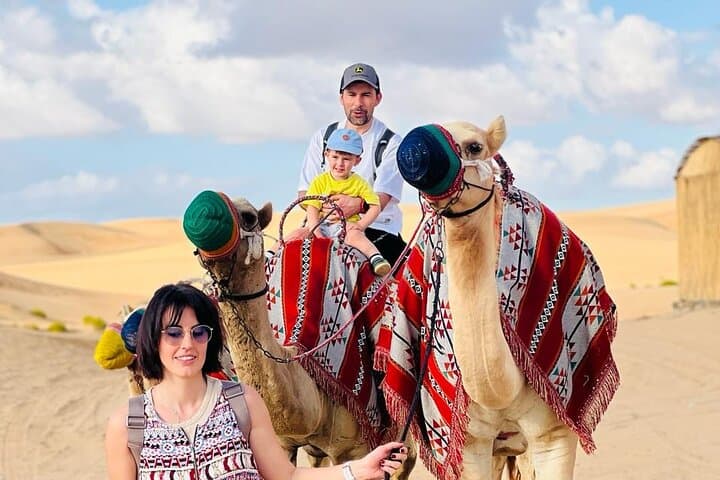
Practical guidance: the full program runs about 6 hours (including roughly 1.5 hours each way). Expect dune bashing in shared Toyota Land Cruisers (up to six per vehicle), a 5-minute camel ride, sandboarding, sunset photo stops and a sit-down BBQ. Not recommended for pregnant travelers or guests with serious back or heart problems; infants are required to sit on laps. Dress in breathable layers, closed shoes for walking on dunes, and bring sun protection and a refillable water bottle. Winter evenings (October–March) can be cool, so pack a light jacket. Operators typically provide local costumes, refreshments and basic camp seating; for better photos aim to book a late-afternoon departure to catch golden hour on the dunes.
easy.
6 hours.
Basic mobility and stamina for short walks on sand and a few standing periods at camp; no sustained fitness required.
The transfer is typically about 1.5 hours each way from central Abu Dhabi, depending on traffic and the exact camp location.
Children can participate, but operators advise that infants sit on an adult’s lap and children under 4 are not recommended; exercise caution if the child has motion sensitivity.
Yes—most operators provide vegetarian choices and can usually accommodate dietary requests if notified at booking.
During Ramadan the tour normally excludes entertainment and no alcohol is served; confirm local operating details when booking.
The area has long been traversed by Bedouin tribes and camel caravans; today’s camp rituals echo hospitality practices—coffee, dates and storytelling—central to desert culture.
Respect marked tracks to avoid destabilizing dunes; local operators often support wildlife conservation and ask guests to avoid litter and off-route driving.
Extreme Tours - Desert Safari in Abu Dhabi operates guided outdoor trips and adventures with an emphasis on safety, stewardship, and memorable experiences.

The Land Cruiser powers onto a ribbon of sand and asphalt, tires humming as the sun begins its slow exit. In an hour and a half you leave the city skyline behind and the dunes start to tilt like waves—sharp crests that the driver reads and rides with practiced ease. By dusk the sand drinks the light; shadows lengthen and the desert seems to breathe around a Bedouin-style camp where lanterns and low carpets mark a temporary village.
The Land Cruiser powers onto a ribbon of sand and asphalt, tires humming as the sun begins its slow exit. In an hour and a half you leave the city skyline behind and the dunes start to tilt like waves—sharp crests that the driver reads and rides with practiced ease. By dusk the sand drinks the light; shadows lengthen and the desert seems to breathe around a Bedouin-style camp where lanterns and low carpets mark a temporary village.
This part of the Arabian Desert is formed of Pleistocene and Holocene sands blown inland from the coast, producing high crescent and linear dunes. Human presence here traces from nomadic Bedouin routes and camel caravan networks to modern recreational uses; falconry and coffee rituals link past and present. At camp you'll encounter live tanoura and belly dance performances, henna painting, sheesha, and a barbecue spread with vegetarian options.
Practical guidance: the full program runs about 6 hours (including roughly 1.5 hours each way). Expect dune bashing in shared Toyota Land Cruisers (up to six per vehicle), a 5-minute camel ride, sandboarding, sunset photo stops and a sit-down BBQ. Not recommended for pregnant travelers or guests with serious back or heart problems; infants are required to sit on laps. Dress in breathable layers, closed shoes for walking on dunes, and bring sun protection and a refillable water bottle. Winter evenings (October–March) can be cool, so pack a light jacket. Operators typically provide local costumes, refreshments and basic camp seating; for better photos aim to book a late-afternoon departure to catch golden hour on the dunes.