THE ADVENTURE COLLECTIVE® · Independent discovery and booking for outdoor travel

A private, guided hike that climbs above the Hollywood Sign to Mt. Lee for sweeping city views and pro-level photos. Expect 3–4 miles round-trip, sun-exposed trails, and insider viewpoints most visitors miss.
A private, guided hike that climbs above the Hollywood Sign to Mt. Lee for sweeping city views and pro-level photos. Expect 3–4 miles round-trip, sun-exposed trails, and insider viewpoints most visitors miss.
The trail opens with the city below and a wind that seems to push you uphill—Los Angeles stretches in a concrete sprawl while chaparral and sunbaked soil hold the ridge. A private guide meets the group at the Smokey Bear “no smoking” sign near Lake Hollywood Park, then leads you up unpaved fire roads and rugged singletrack toward Mt. Lee, finishing at the high ground above the iconic Hollywood Sign.
Verified experiences and guided adventures in the surrounding area.
Operated by KT Tours · Los Angeles, California
The trail opens with the city below and a wind that seems to push you uphill—Los Angeles stretches in a concrete sprawl while chaparral and sunbaked soil hold the ridge. A private guide meets the group at the Smokey Bear “no smoking” sign near Lake Hollywood Park, then leads you up unpaved fire roads and rugged singletrack toward Mt. Lee, finishing at the high ground above the iconic Hollywood Sign.
Geology here is carved from Miocene-era hills: compacted sandstone and shale that create steep gullies and exposed dirt on the steeper pitches. The sign itself is a 1920s relic (originally “Hollywoodland”) that turned a developer’s billboard into an international landmark. Culturally, this ridge is a working urban wild—film studios, cemetery plots, and neighborhoods lie in view; the hills are part recreation, part backyard for millions of Angelenos.
Expect 3–4 miles round-trip with roughly 600–800 feet of elevation gain over mostly dry, sun-exposed terrain. Trails vary from wide service roads to rocky switchbacks; hikers should wear sturdy shoes and carry at least 1 liter of water per hour in warm months. Photography is a central focus—guides often help stage shots—and there are no restrooms on the trail, so plan accordingly.
Timing matters: early morning or late afternoon light reduces heat and harsh shadows. Stay on authorized routes, respect private property, and carry out all trash—these hills are fragile and popular. With steady footing and basic fitness, hikers can expect memorable skyline views and a clear sense of how the city and its wild edges meet.
moderate.
3–4 hours.
Moderately fit: able to sustain steady uphill hiking for 60–90 minutes with short breaks; good cardiovascular health recommended.
No—access to the sign structure is restricted. The hike reaches viewpoints above the sign that provide excellent photo angles without approaching the letters.
Parking is limited around Lake Hollywood Park; park legally and early to secure a spot—vehicles are towed quickly if parked illegally.
Policies vary but service animals are typically permitted; check with the guide in advance for pet-specific rules.
Bring a charged camera or smartphone, and consider a small tripod or stabilizer; guides will help with framing and posing for social-media-ready shots.
The Hollywood Sign began as the 1923 “Hollywoodland” real-estate advertisement; Mt. Lee and the surrounding ridges have since become an emblem of the city’s entertainment history.
These hills are drought-prone and erosion-sensitive—stay on marked trails, carry out waste, and avoid trampling vegetation to protect the fragile chaparral.
KT Tours operates guided outdoor trips and adventures with an emphasis on safety, stewardship, and memorable experiences.
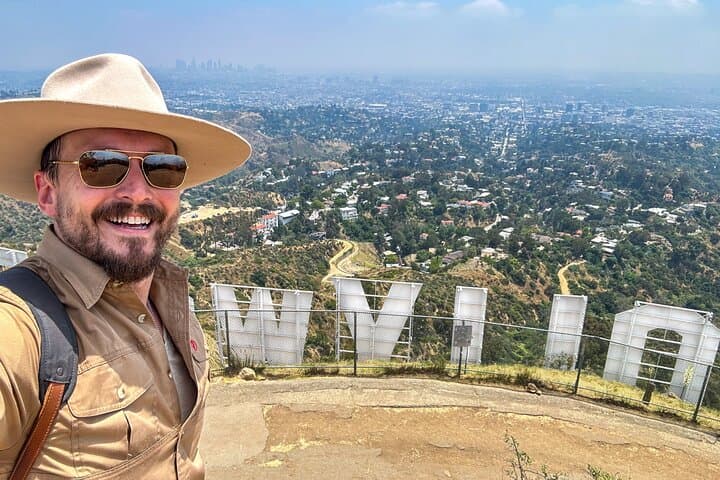
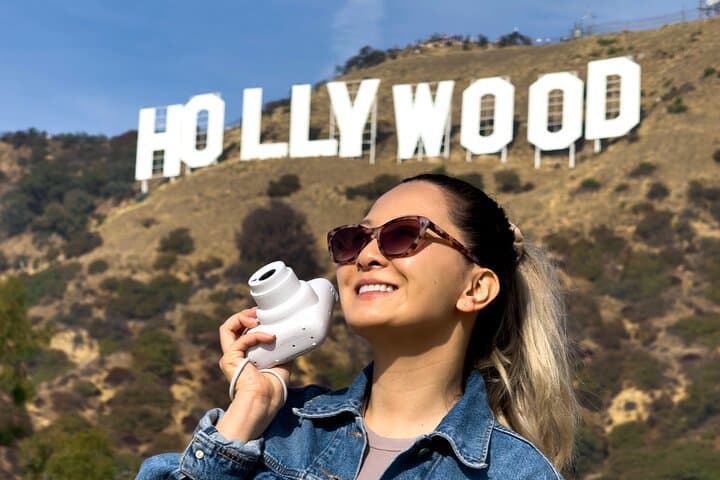
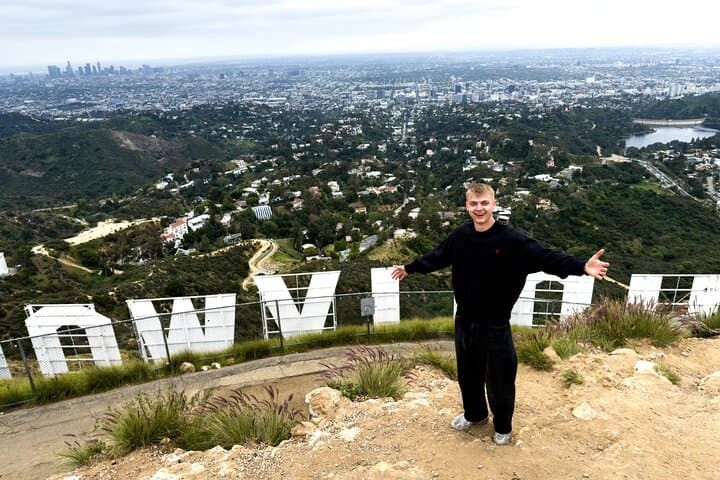
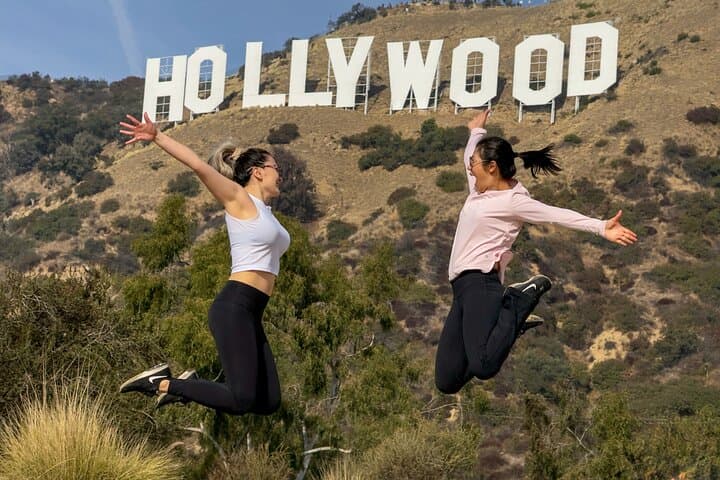
The trail opens with the city below and a wind that seems to push you uphill—Los Angeles stretches in a concrete sprawl while chaparral and sunbaked soil hold the ridge. A private guide meets the group at the Smokey Bear “no smoking” sign near Lake Hollywood Park, then leads you up unpaved fire roads and rugged singletrack toward Mt. Lee, finishing at the high ground above the iconic Hollywood Sign.
The trail opens with the city below and a wind that seems to push you uphill—Los Angeles stretches in a concrete sprawl while chaparral and sunbaked soil hold the ridge. A private guide meets the group at the Smokey Bear “no smoking” sign near Lake Hollywood Park, then leads you up unpaved fire roads and rugged singletrack toward Mt. Lee, finishing at the high ground above the iconic Hollywood Sign.
Geology here is carved from Miocene-era hills: compacted sandstone and shale that create steep gullies and exposed dirt on the steeper pitches. The sign itself is a 1920s relic (originally “Hollywoodland”) that turned a developer’s billboard into an international landmark. Culturally, this ridge is a working urban wild—film studios, cemetery plots, and neighborhoods lie in view; the hills are part recreation, part backyard for millions of Angelenos.
Expect 3–4 miles round-trip with roughly 600–800 feet of elevation gain over mostly dry, sun-exposed terrain. Trails vary from wide service roads to rocky switchbacks; hikers should wear sturdy shoes and carry at least 1 liter of water per hour in warm months. Photography is a central focus—guides often help stage shots—and there are no restrooms on the trail, so plan accordingly.
Timing matters: early morning or late afternoon light reduces heat and harsh shadows. Stay on authorized routes, respect private property, and carry out all trash—these hills are fragile and popular. With steady footing and basic fitness, hikers can expect memorable skyline views and a clear sense of how the city and its wild edges meet.