THE ADVENTURE COLLECTIVE® · Independent discovery and booking for outdoor travel

Spend a day between Aberdeen’s storm-battered coastlines and rolling farmland visiting Dunnottar Castle, meeting Highland cows at a working farm, and sampling single-malt Scotch at a local distillery. This private tour blends history, hands-on farming, and whisky tasting in one tailor-able route.
Spend a day between Aberdeen’s storm-battered coastlines and rolling farmland visiting Dunnottar Castle, meeting Highland cows at a working farm, and sampling single-malt Scotch at a local distillery. This private tour blends history, hands-on farming, and whisky tasting in one tailor-able route.
You step out of the vehicle onto a wind-swept headland and the North Sea seems to dare you closer — grey waves pounding the cliff below Dunnottar’s broken walls. The castle looms on bare granite, its ruins framing salt spray and sky. Later the road threads inland through fields where shaggy Highland cows lift their wet muzzles in curiosity, and a lowland distillery fills the air with the warm, drying scents of malt.
Verified experiences and guided adventures in the surrounding area.
Operated by Time Exposure Travel · Aberdeen, Aberdeenshire
You step out of the vehicle onto a wind-swept headland and the North Sea seems to dare you closer — grey waves pounding the cliff below Dunnottar’s broken walls. The castle looms on bare granite, its ruins framing salt spray and sky. Later the road threads inland through fields where shaggy Highland cows lift their wet muzzles in curiosity, and a lowland distillery fills the air with the warm, drying scents of malt.
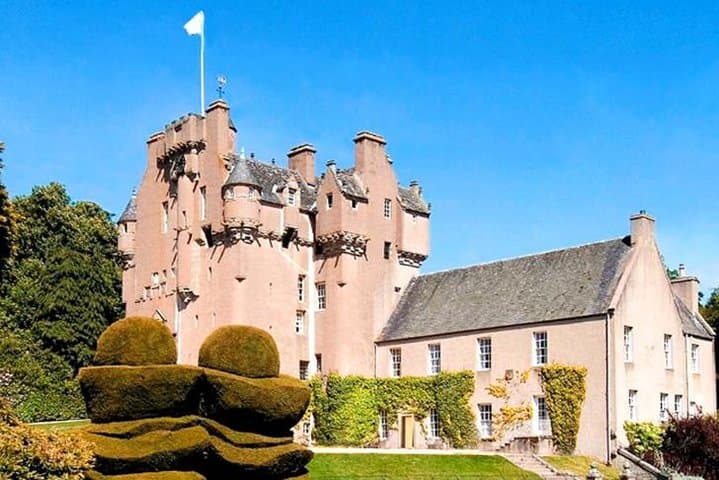
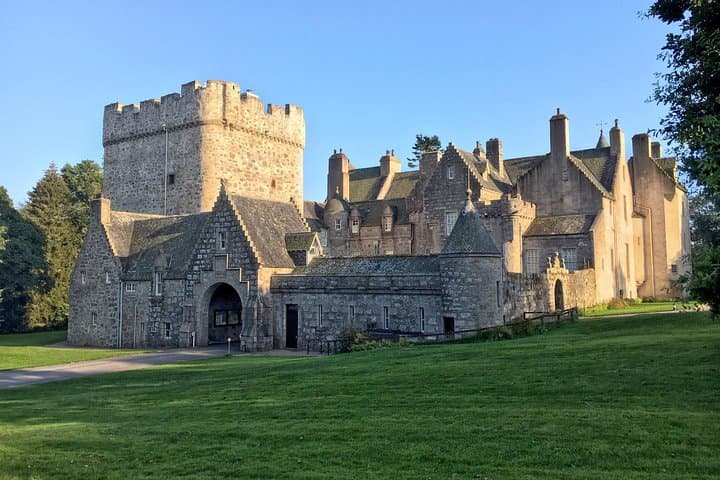
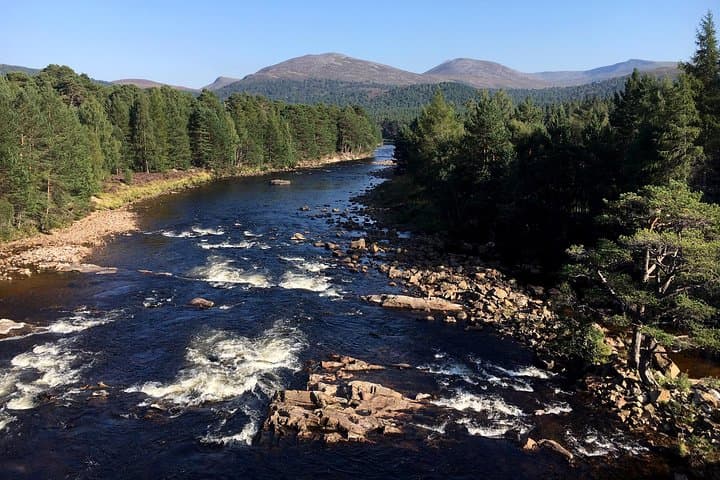
This full-day private loop ties together Aberdeenshire’s layered history and working landscape. Dunnottar’s strategic perch saw Viking raids, medieval sieges, and custodianship of crown jewels; Crathes offers 16th-century painted ceilings and formal yew hedges; Balmoral — when open — brings Victorian royal connections. Geologically, the coastline’s resilient granite contrasts with rolling agricultural lowlands that have supported cattle and crofting for centuries. Whisky culture is both craft and commerce here: Royal Lochnagar and Glen Garioch are small stillhouses with clear links to nearby estates.
Practicalities: the trip runs about 7–8 hours with hotel pickup in Aberdeen. Expect short hikes and steep stairs at viewpoints — Dunnottar’s approach involves uneven stone steps — and farmyard surfaces that can be muddy. Distillery visits require ID (18+) and advance booking; castles may charge for interiors. Wear windproof layers, sturdy shoes, and bring a camera and small cash for souvenirs. If you want Balmoral instead of a distillery, check seasonal openings ahead. A private tour lets guides tailor pacing, but book early in summer to secure distillery and farm slots.
easy.
7–8 hours.
Light walking and standing; suitable for most fitness levels but involves stairs and short uneven approaches.
Tastings are included when specified, but individual distillery tours often charge an entry fee (~£20pp) and require advance booking.
Farm visits typically allow children over 8; distillery tastings are restricted to adults 18+; check operator policy for specifics.
Yes — Balmoral is an option subject to its seasonal opening dates; confirm availability when booking so the itinerary can be adjusted.
Yes — private pickup and drop-off from Aberdeen hotels is usually included; confirm your pickup location at booking.
Dunnottar’s ruined fortifications span medieval to early modern conflicts, while Balmoral was purchased for Queen Victoria in 1852 and shaped royal life in the Highlands.
Local farms and estates balance tourism with agriculture; follow paths, avoid feeding livestock, and support small producers to minimize footprint.
Time Exposure Travel operates guided outdoor trips and adventures with an emphasis on safety, stewardship, and memorable experiences.
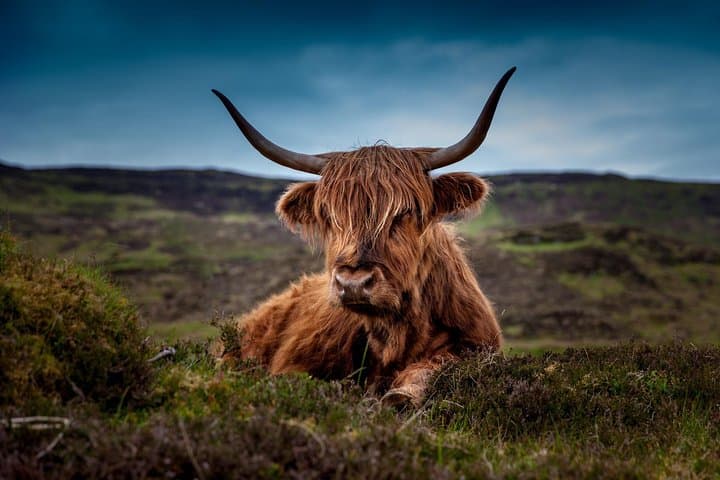
You step out of the vehicle onto a wind-swept headland and the North Sea seems to dare you closer — grey waves pounding the cliff below Dunnottar’s broken walls. The castle looms on bare granite, its ruins framing salt spray and sky. Later the road threads inland through fields where shaggy Highland cows lift their wet muzzles in curiosity, and a lowland distillery fills the air with the warm, drying scents of malt.
You step out of the vehicle onto a wind-swept headland and the North Sea seems to dare you closer — grey waves pounding the cliff below Dunnottar’s broken walls. The castle looms on bare granite, its ruins framing salt spray and sky. Later the road threads inland through fields where shaggy Highland cows lift their wet muzzles in curiosity, and a lowland distillery fills the air with the warm, drying scents of malt.
This full-day private loop ties together Aberdeenshire’s layered history and working landscape. Dunnottar’s strategic perch saw Viking raids, medieval sieges, and custodianship of crown jewels; Crathes offers 16th-century painted ceilings and formal yew hedges; Balmoral — when open — brings Victorian royal connections. Geologically, the coastline’s resilient granite contrasts with rolling agricultural lowlands that have supported cattle and crofting for centuries. Whisky culture is both craft and commerce here: Royal Lochnagar and Glen Garioch are small stillhouses with clear links to nearby estates.
Practicalities: the trip runs about 7–8 hours with hotel pickup in Aberdeen. Expect short hikes and steep stairs at viewpoints — Dunnottar’s approach involves uneven stone steps — and farmyard surfaces that can be muddy. Distillery visits require ID (18+) and advance booking; castles may charge for interiors. Wear windproof layers, sturdy shoes, and bring a camera and small cash for souvenirs. If you want Balmoral instead of a distillery, check seasonal openings ahead. A private tour lets guides tailor pacing, but book early in summer to secure distillery and farm slots.