THE ADVENTURE COLLECTIVE® · Independent discovery and booking for outdoor travel

Turn airport or station wait time into a curated 2–4 hour exploration of Aberdeenshire’s castles, coastline and distilleries. This private transfer-and-tour pairs efficient logistics with local storytelling and can be tailored to match your timing and interests.
Turn airport or station wait time into a curated 2–4 hour exploration of Aberdeenshire’s castles, coastline and distilleries. This private transfer-and-tour pairs efficient logistics with local storytelling and can be tailored to match your timing and interests.
You step out of the airport into cool North Sea air and the day stretches eastward—cliffs, ruined towers, and a coastline that feels both patient and impatient. A local driver-guide greets you, map in hand, ready to stitch a short, efficient tour into your travel schedule.
Verified experiences and guided adventures in the surrounding area.
Operated by Time Exposure Travel · Aberdeen, Aberdeenshire
You step out of the airport into cool North Sea air and the day stretches eastward—cliffs, ruined towers, and a coastline that feels both patient and impatient. A local driver-guide greets you, map in hand, ready to stitch a short, efficient tour into your travel schedule.
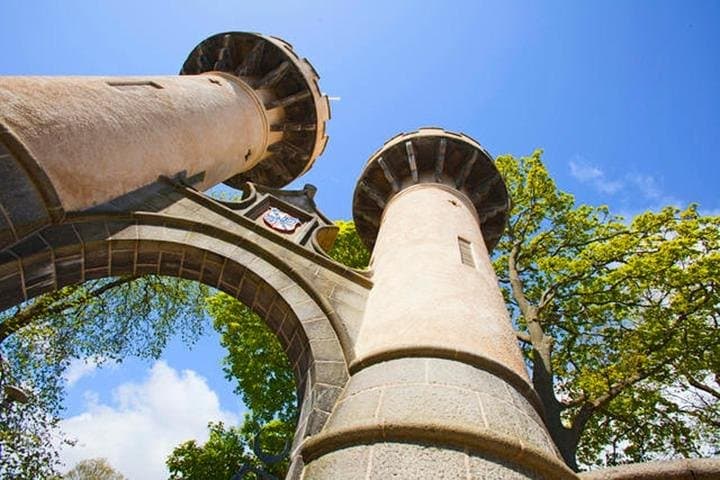
Aberdeenshire’s story is written in stone: granite city streets, Pictish and medieval strongholds, and the salt-bright scent that clings to ruined headlands like Dunnottar Castle. Geology shapes the route—old coastal sandstones fall away into steep cliffs while inland granite uplands hold manor houses and planted arboreta from the 18th century.
Culture here is practical and proud: whisky distilleries keep careful rhythms, castle grounds host centuries of domestic and military history, and fishing harbours still land the day’s catch. Local guides link these threads with concise context—why a tower sits where it does, how the coastline dictated trade and defense, and where artisans continue craft traditions.
Practical guidance: tours run 2–4 hours and can be tailored to include Dunnottar, Drum, or a distillery stop; distillery tastings and castle interiors depend on seasonal opening times and need advance booking. Expect short walks on uneven ground, exposed cliff-top sections, and wind that will test light layers. Bring waterproof outerwear, comfortable walking shoes, and ID for any paid admissions. Peak summer brings long daylight and crowds; shoulder seasons offer sharper light and quieter sites.
This option turns travel downtime into focused discovery: a compact, flexible window into northeastern Scotland that balances iconic views with logistical ease.
easy.
2–4 hours.
Suitable for most fitness levels; participants should be comfortable walking short distances over uneven ground and some steps.
Yes—many tours can include a distillery stop, but tastings and guided tours require advance booking and depend on opening hours.
Yes—pickups and drop-offs can be arranged from Aberdeen Airport, the train station, cruise terminal, or local hotels; provide exact details when booking.
Most castle grounds are free to visit; entry to interiors typically has a fee set by each site and depends on seasonal opening—check with the guide before arrival.
Guides generally try to accommodate late arrivals, but other bookings may limit the tour; confirm flexibility and contingency plans at the time of booking.
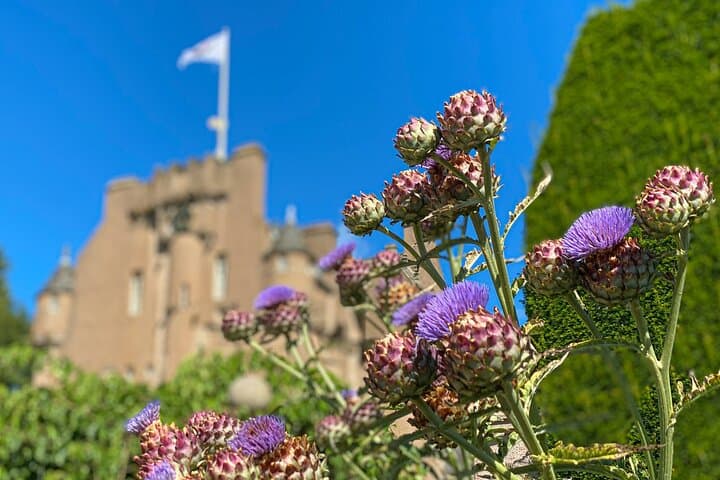
Aberdeenshire’s castles and estates reflect a timeline from Pictish settlements to medieval fortifications—Dunnottar played a key role in Scotland’s medieval defenses and Drum and Crathes show later aristocratic landscape design.
Cliff-top habitats and seabird colonies are sensitive to disturbance—stay on marked paths, avoid nesting areas, and carry out all litter to minimize impact.
Time Exposure Travel operates guided outdoor trips and adventures with an emphasis on safety, stewardship, and memorable experiences.

You step out of the airport into cool North Sea air and the day stretches eastward—cliffs, ruined towers, and a coastline that feels both patient and impatient. A local driver-guide greets you, map in hand, ready to stitch a short, efficient tour into your travel schedule.
You step out of the airport into cool North Sea air and the day stretches eastward—cliffs, ruined towers, and a coastline that feels both patient and impatient. A local driver-guide greets you, map in hand, ready to stitch a short, efficient tour into your travel schedule.
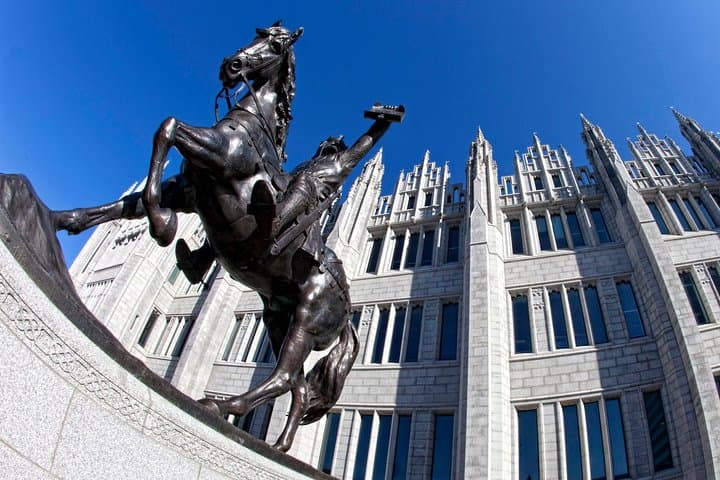
Aberdeenshire’s story is written in stone: granite city streets, Pictish and medieval strongholds, and the salt-bright scent that clings to ruined headlands like Dunnottar Castle. Geology shapes the route—old coastal sandstones fall away into steep cliffs while inland granite uplands hold manor houses and planted arboreta from the 18th century.
Culture here is practical and proud: whisky distilleries keep careful rhythms, castle grounds host centuries of domestic and military history, and fishing harbours still land the day’s catch. Local guides link these threads with concise context—why a tower sits where it does, how the coastline dictated trade and defense, and where artisans continue craft traditions.
Practical guidance: tours run 2–4 hours and can be tailored to include Dunnottar, Drum, or a distillery stop; distillery tastings and castle interiors depend on seasonal opening times and need advance booking. Expect short walks on uneven ground, exposed cliff-top sections, and wind that will test light layers. Bring waterproof outerwear, comfortable walking shoes, and ID for any paid admissions. Peak summer brings long daylight and crowds; shoulder seasons offer sharper light and quieter sites.
This option turns travel downtime into focused discovery: a compact, flexible window into northeastern Scotland that balances iconic views with logistical ease.