THE ADVENTURE COLLECTIVE® · Independent discovery and booking for outdoor travel

Train your palate with a two-hour masterclass led by the Head Distiller in Aberdeen. Taste single botanical distillates, blend your own gin and finish with a G&T while learning how to take gin-tasting home.
Train your palate with a two-hour masterclass led by the Head Distiller in Aberdeen. Taste single botanical distillates, blend your own gin and finish with a G&T while learning how to take gin-tasting home.
The tasting room lights are low and warm; a line of French glass demi–johns gleam like little lighthouses as the Head Distiller slides a double G&T across the bar. Juniper arrives first on the nose — resinous and pine-bright — then coriander, orris and angelica follow as individual distillates, each presented for study. The room smells of citrus peel, dried herbs and a faint trace of grain: a concentrated lesson in what makes gin, well, gin.
Verified experiences and guided adventures in the surrounding area.
Operated by City of Aberdeen Distillery & Gin School · Aberdeen, Aberdeenshire
The tasting room lights are low and warm; a line of French glass demi–johns gleam like little lighthouses as the Head Distiller slides a double G&T across the bar. Juniper arrives first on the nose — resinous and pine-bright — then coriander, orris and angelica follow as individual distillates, each presented for study. The room smells of citrus peel, dried herbs and a faint trace of grain: a concentrated lesson in what makes gin, well, gin.
Aberdeen wears its geology on its face — grey granite buildings and a working harbour that once shaped trade in botanicals and spirits. Scotland’s long tradition with distilled spirits is the cultural backdrop here, but the tasting focuses on modern small-batch craft: organic base spirit, careful botanical work and hands-on blending.
The masterclass moves from sensory training to practice. You’ll taste single botanical distillates, learn to pick out texture and mouthfeel, then blend samples to make a personal gin. There’s a mystery-botanical challenge to test your palate and a final G&T of your choice while a Q&A ties technique to home practice: storage, provenance, and basic home distillation safety.
Practical notes: the session runs about two hours, is wheelchair accessible, and typically starts with a double G&T. Bring photo ID, book ahead to secure a seat, and plan transport — you’ll be tasting concentrated spirits. Arrive 10–15 minutes early, stay hydrated, and use the Q&A to take away tasting methods you can repeat at home.
easy.
2 hours.
Minimal physical fitness required; mostly seated and sensory-focused
The session runs approximately 120 minutes and includes tasting single distillates, blending time, and a concluding Q&A.
Yes — the booking information indicates wheelchair and stroller access and accessible surfaces throughout the space.
Typically you sample small quantities during the class; any bottles for purchase or take-home depend on the venue’s retail policy — ask during the Q&A.
No — the experience includes alcoholic tastings and is not recommended for pregnant guests.
Aberdeen’s maritime trade and granite-built harbour helped move goods — including botanicals — that fed Scotland’s long distilling culture, now echoed in small-batch gin production.
The host uses premium organic alcohol and glass demi–john presentation; practise responsible tasting, recycle glass, and support venues that source botanicals sustainably.
City of Aberdeen Distillery & Gin School operates guided outdoor trips and adventures with an emphasis on safety, stewardship, and memorable experiences.
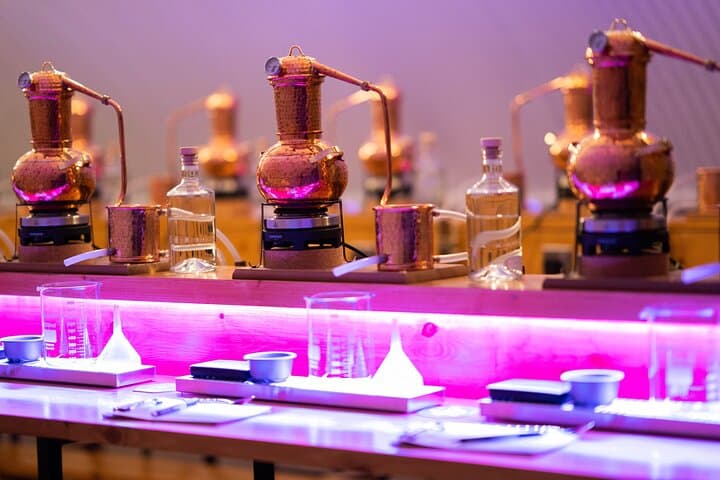
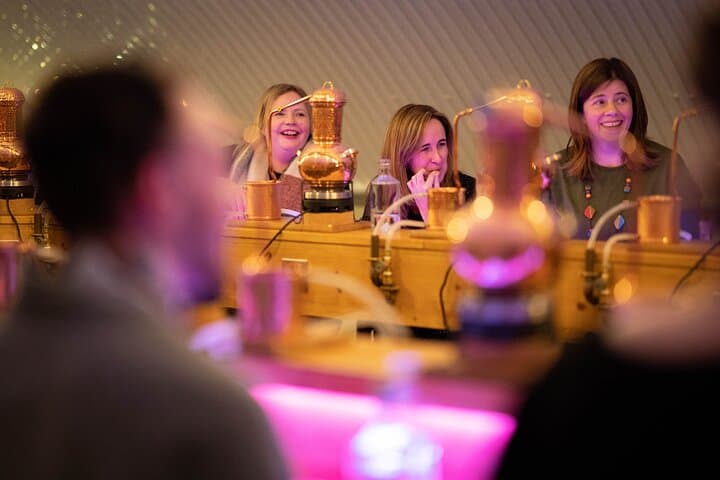
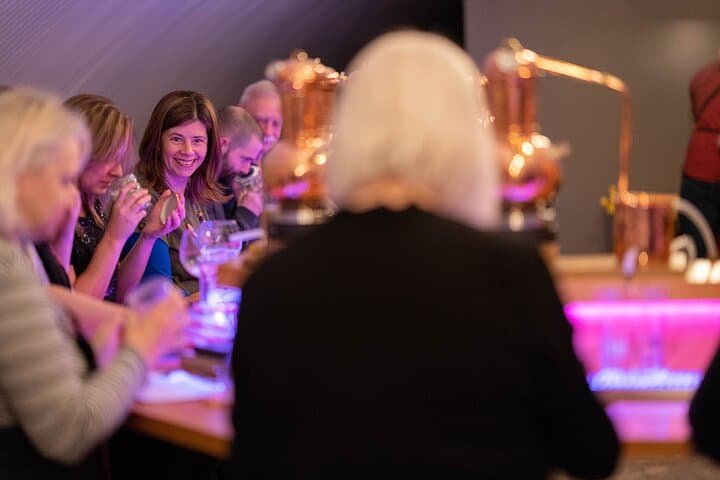
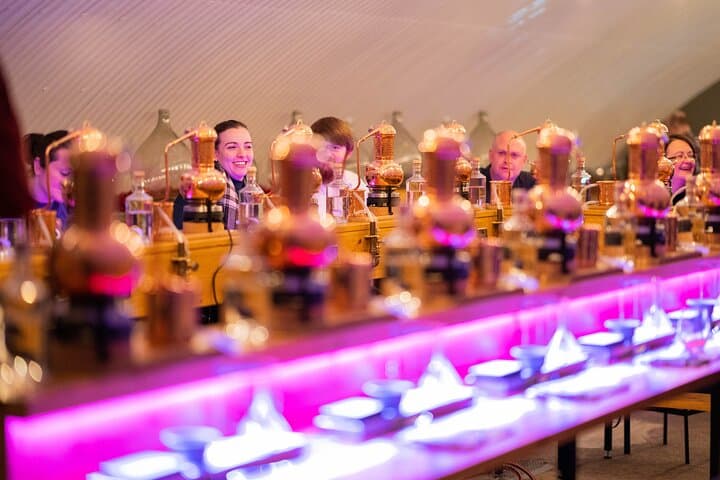
The tasting room lights are low and warm; a line of French glass demi–johns gleam like little lighthouses as the Head Distiller slides a double G&T across the bar. Juniper arrives first on the nose — resinous and pine-bright — then coriander, orris and angelica follow as individual distillates, each presented for study. The room smells of citrus peel, dried herbs and a faint trace of grain: a concentrated lesson in what makes gin, well, gin.
The tasting room lights are low and warm; a line of French glass demi–johns gleam like little lighthouses as the Head Distiller slides a double G&T across the bar. Juniper arrives first on the nose — resinous and pine-bright — then coriander, orris and angelica follow as individual distillates, each presented for study. The room smells of citrus peel, dried herbs and a faint trace of grain: a concentrated lesson in what makes gin, well, gin.
Aberdeen wears its geology on its face — grey granite buildings and a working harbour that once shaped trade in botanicals and spirits. Scotland’s long tradition with distilled spirits is the cultural backdrop here, but the tasting focuses on modern small-batch craft: organic base spirit, careful botanical work and hands-on blending.
The masterclass moves from sensory training to practice. You’ll taste single botanical distillates, learn to pick out texture and mouthfeel, then blend samples to make a personal gin. There’s a mystery-botanical challenge to test your palate and a final G&T of your choice while a Q&A ties technique to home practice: storage, provenance, and basic home distillation safety.
Practical notes: the session runs about two hours, is wheelchair accessible, and typically starts with a double G&T. Bring photo ID, book ahead to secure a seat, and plan transport — you’ll be tasting concentrated spirits. Arrive 10–15 minutes early, stay hydrated, and use the Q&A to take away tasting methods you can repeat at home.