THE ADVENTURE COLLECTIVE® · Independent discovery and booking for outdoor travel

Ride a high-speed elevator to Harukas 300 and take in 300-meter views of Osaka’s cityscape, rivers and distant mountains. This observatory pairs quick access with accessible facilities and nearby cultural stops for a compact, memorable visit.
Ride a high-speed elevator to Harukas 300 and take in 300-meter views of Osaka’s cityscape, rivers and distant mountains. This observatory pairs quick access with accessible facilities and nearby cultural stops for a compact, memorable visit.
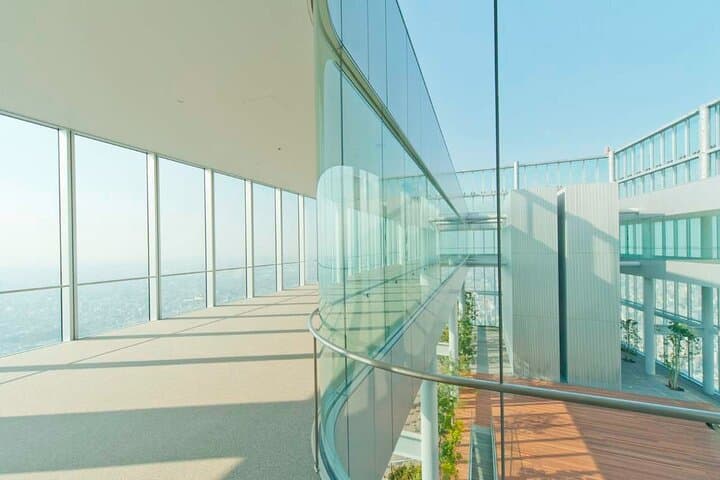
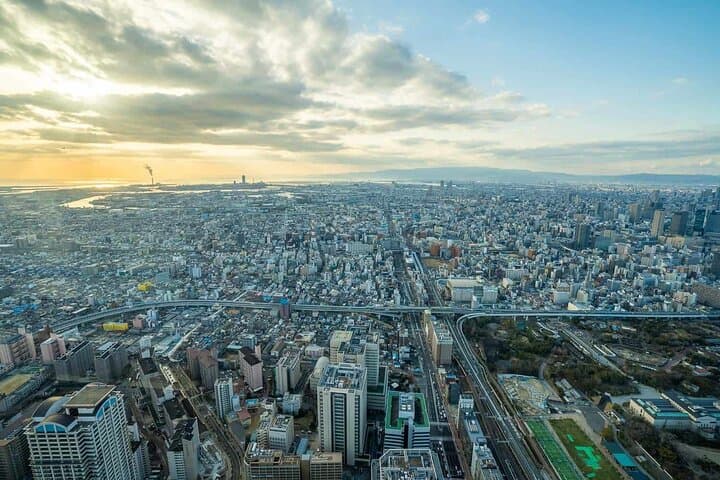
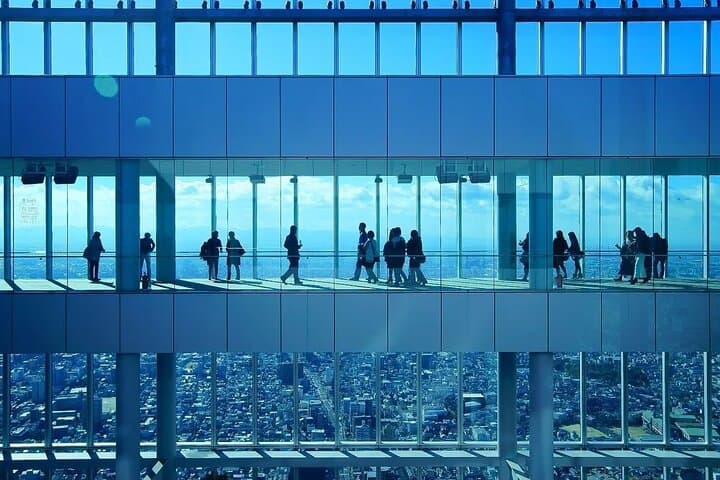
Step out of the elevator and the city spreads beneath you — a patchwork of roofs, railway tracks, and the braided sweep of the Yodo River cutting toward Osaka Bay. The glass-walled Harukas 300 Observatory, perched at 300 meters on Abeno Harukas, hands you a clear vantage on the city's grid, the distant rim of Rokko Mountains, and ships drifting on the Seto Inland Sea.
Verified experiences and guided adventures in the surrounding area.
Operated by TREVOPEDIA · Osaka, Osaka Prefecture
Step out of the elevator and the city spreads beneath you — a patchwork of roofs, railway tracks, and the braided sweep of the Yodo River cutting toward Osaka Bay. The glass-walled Harukas 300 Observatory, perched at 300 meters on Abeno Harukas, hands you a clear vantage on the city's grid, the distant rim of Rokko Mountains, and ships drifting on the Seto Inland Sea.
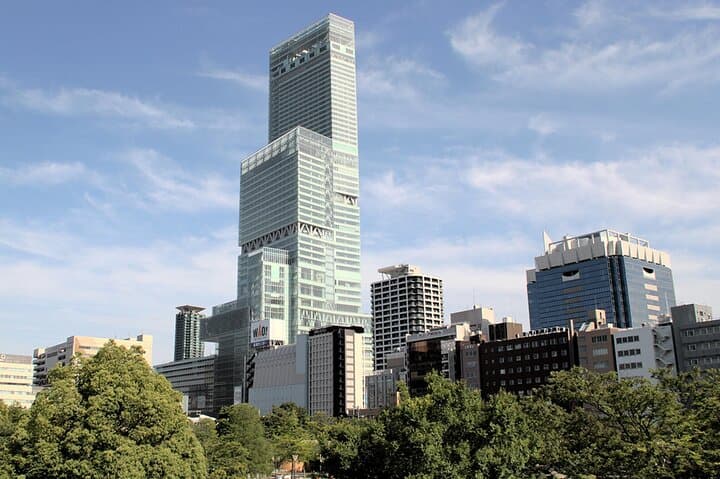
The tower itself is recent: completed in 2014 to become Japan’s tallest skyscraper, it sits in Tennoji, a district with roots back to the 6th century around Shitennoji Temple. Geologically the view emphasizes Osaka’s broad coastal plain — flat land shaped by river deposits — which makes the building’s height feel especially dramatic against a low horizon. Culturally, the observatory is part vantage point, part civic room: the 58th-floor Sky Garden restaurant and the 16th-floor art museum extend the visit beyond the observation deck.
Practically, expect a swift elevator ascent and wheelchair-accessible facilities; tickets are mobile-friendly and valid for a fixed two-hour window. For photographers and first-timers, plan for either late afternoon light or after-dark city lights; weather can limit visibility, so check forecasts and allow flexibility. Nearby Tennoji Station connects you by subway and JR lines and makes the visit an easy add-on to temple gardens and local markets. Whether you linger for a meal, a gallery stop, or a quick rooftop breath of air, Harukas 300 packs a compact, high-altitude view of Osaka that rewards timing and planning.
easy.
1–2 hours.
Suitable for all fitness levels; mostly elevator-accessed walking on flat indoor surfaces
Standard tickets provide a two-hour window — arrive at your scheduled time and plan to include nearby shops or the art museum if you want more time in the building.
Yes — Harukas provides elevator access, wheelchair-friendly routes, and stroller access; inform staff of special requirements if needed.
Morning to late afternoon tends to offer clearer visibility; evenings are best for city-light photography but can be hazier on humid days.
Full refunds are available if you cancel at least 24 hours before your scheduled time; same-day cancellations are non-refundable and weather can affect operations.
Abeno Harukas opened in 2014 as Japan’s tallest skyscraper and sits in Tennoji, a district historically centered on Shitennoji Temple and long-serving as a transport and retail hub.
As an urban attraction, minimize light pollution impact by limiting flash photography and pack out any waste; support nearby cultural sites by following posted rules and using designated paths.
TREVOPEDIA operates guided outdoor trips and adventures with an emphasis on safety, stewardship, and memorable experiences.
Step out of the elevator and the city spreads beneath you — a patchwork of roofs, railway tracks, and the braided sweep of the Yodo River cutting toward Osaka Bay. The glass-walled Harukas 300 Observatory, perched at 300 meters on Abeno Harukas, hands you a clear vantage on the city's grid, the distant rim of Rokko Mountains, and ships drifting on the Seto Inland Sea.
Step out of the elevator and the city spreads beneath you — a patchwork of roofs, railway tracks, and the braided sweep of the Yodo River cutting toward Osaka Bay. The glass-walled Harukas 300 Observatory, perched at 300 meters on Abeno Harukas, hands you a clear vantage on the city's grid, the distant rim of Rokko Mountains, and ships drifting on the Seto Inland Sea.
The tower itself is recent: completed in 2014 to become Japan’s tallest skyscraper, it sits in Tennoji, a district with roots back to the 6th century around Shitennoji Temple. Geologically the view emphasizes Osaka’s broad coastal plain — flat land shaped by river deposits — which makes the building’s height feel especially dramatic against a low horizon. Culturally, the observatory is part vantage point, part civic room: the 58th-floor Sky Garden restaurant and the 16th-floor art museum extend the visit beyond the observation deck.
Practically, expect a swift elevator ascent and wheelchair-accessible facilities; tickets are mobile-friendly and valid for a fixed two-hour window. For photographers and first-timers, plan for either late afternoon light or after-dark city lights; weather can limit visibility, so check forecasts and allow flexibility. Nearby Tennoji Station connects you by subway and JR lines and makes the visit an easy add-on to temple gardens and local markets. Whether you linger for a meal, a gallery stop, or a quick rooftop breath of air, Harukas 300 packs a compact, high-altitude view of Osaka that rewards timing and planning.