THE ADVENTURE COLLECTIVE® · Independent discovery and booking for outdoor travel

Ride a rapid elevator to the 58th–60th floors of Abeno Harukas and peer across Osaka from Japan's tallest tower. This short, accessible visit pairs panoramic views with nearby cultural stops for a practical half-day in Tennoji.
Ride a rapid elevator to the 58th–60th floors of Abeno Harukas and peer across Osaka from Japan's tallest tower. This short, accessible visit pairs panoramic views with nearby cultural stops for a practical half-day in Tennoji.
From the high-speed elevator that rockets you toward the top floors to the open-air terrace where wind rearranges your view, Abeno Harukas 300 places Osaka beneath your feet.
Verified experiences and guided adventures in the surrounding area.
Operated by TrevoTour Travels · Osaka, Osaka Prefecture
From the high-speed elevator that rockets you toward the top floors to the open-air terrace where wind rearranges your view, Abeno Harukas 300 places Osaka beneath your feet.
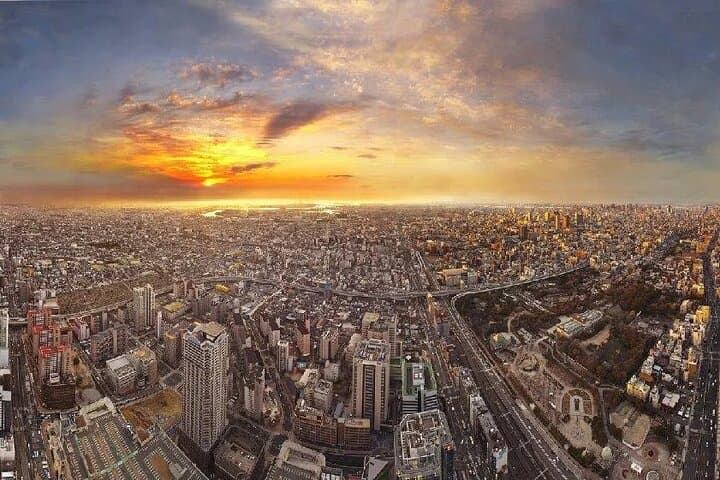
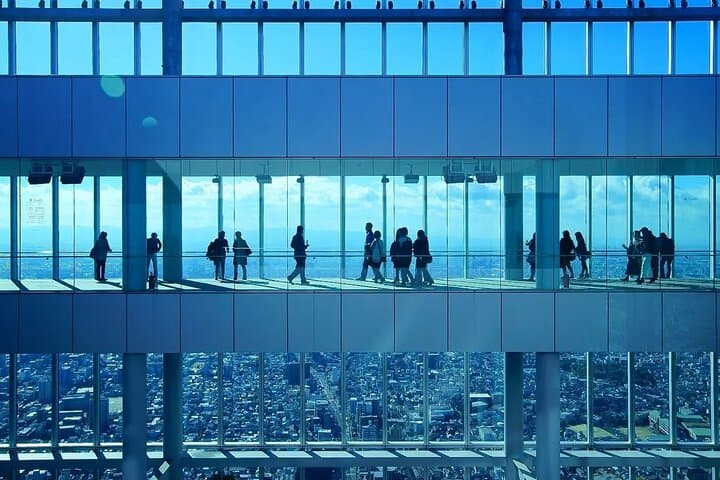
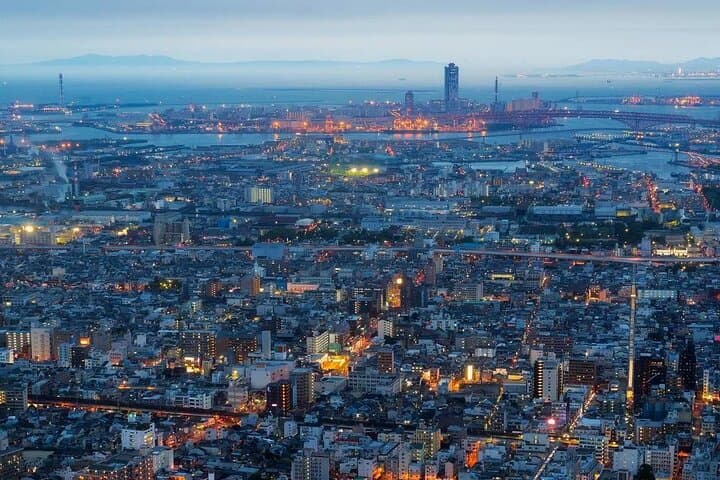
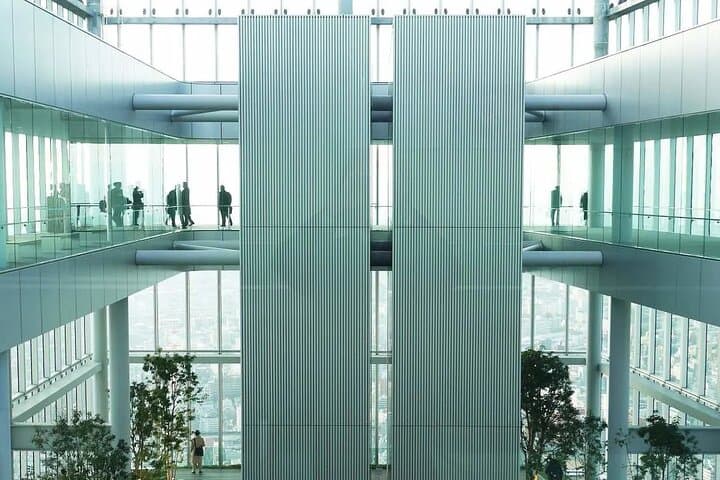
Opened in 2014 and standing as Japan's tallest building, the 58th–60th floors operate as an urban lookout: floor-to-ceiling glazing, an indoor Sky Corridor, and a Sky Garden where benches and planters break the hard edge of the skyline. On clear days you can trace Kyoto's low hills, pick out Kobe's harbor, and watch ships cut the Seto Inland Sea into silver.
The observatory sits in Tennoji, a district layered with older temples, postwar commerce, and modern redevelopment. The site occupies Osaka's alluvial plain that historically shaped the city's port economy; nearby cultural stops like Shitennō-ji and the Abeno Harukas Art Museum (16th floor) round out a visit that mixes sightlines with history. Seasonal exhibits and scheduled light-and-music shows add variety after dark.
Practical guidance: plan 1–2 hours for typical visits; book a timed ticket to avoid bottlenecks and arrive early for long-distance visibility or at sunset for city lights. Facilities are wheelchair- and stroller-accessible and include a café, restaurant, and souvenir shop. Expect cooler air on the terrace—bring a light layer—and keep phone batteries charged for extended shooting. Peak crowds form after dusk and on holidays, so factor waiting time into your schedule and combine the stop with Tennoji Park or the nearby shopping complex for a full day in southern Osaka.
easy.
1–2 hours.
Minimal physical exertion; accessible to most visitors who can stand and walk short distances.
Timed tickets are recommended to shorten queueing; walk-up admissions are possible but may involve waits, particularly at sunset and on holidays.
Yes—the elevators, viewing floors, and most public areas are wheelchair- and stroller-accessible, with accessible restrooms and routes.
Most visitors spend 1–2 hours to enjoy views, visit the Sky Garden and café, and browse the souvenir shop; combine with nearby attractions for a half- or full-day.
Small handheld cameras and smartphones are fine; tripods and professional setups may be restricted—check onsite rules or contact the facility ahead of time.
Abeno Harukas opened in 2014 as part of a major redevelopment of Tennoji and replaced older commercial structures, becoming a modern marker in Osaka's long history as a mercantile hub.
The observatory encourages public-transport access via Tennoji Station to reduce car traffic; visitors should be mindful of light pollution and follow onsite guidelines to minimize impact.
TrevoTour Travels operates guided outdoor trips and adventures with an emphasis on safety, stewardship, and memorable experiences.
From the high-speed elevator that rockets you toward the top floors to the open-air terrace where wind rearranges your view, Abeno Harukas 300 places Osaka beneath your feet.
From the high-speed elevator that rockets you toward the top floors to the open-air terrace where wind rearranges your view, Abeno Harukas 300 places Osaka beneath your feet.
Opened in 2014 and standing as Japan's tallest building, the 58th–60th floors operate as an urban lookout: floor-to-ceiling glazing, an indoor Sky Corridor, and a Sky Garden where benches and planters break the hard edge of the skyline. On clear days you can trace Kyoto's low hills, pick out Kobe's harbor, and watch ships cut the Seto Inland Sea into silver.
The observatory sits in Tennoji, a district layered with older temples, postwar commerce, and modern redevelopment. The site occupies Osaka's alluvial plain that historically shaped the city's port economy; nearby cultural stops like Shitennō-ji and the Abeno Harukas Art Museum (16th floor) round out a visit that mixes sightlines with history. Seasonal exhibits and scheduled light-and-music shows add variety after dark.
Practical guidance: plan 1–2 hours for typical visits; book a timed ticket to avoid bottlenecks and arrive early for long-distance visibility or at sunset for city lights. Facilities are wheelchair- and stroller-accessible and include a café, restaurant, and souvenir shop. Expect cooler air on the terrace—bring a light layer—and keep phone batteries charged for extended shooting. Peak crowds form after dusk and on holidays, so factor waiting time into your schedule and combine the stop with Tennoji Park or the nearby shopping complex for a full day in southern Osaka.