THE ADVENTURE COLLECTIVE® · Independent discovery and booking for outdoor travel

Experience Mont-Saint-Michel’s tidal drama and centuries-old abbey with priority entrance. This ticket speeds access to the abbey interiors and comes with a multilingual booklet — plan 1–4 hours to explore cloisters, refectory, and ramparts.
Experience Mont-Saint-Michel’s tidal drama and centuries-old abbey with priority entrance. This ticket speeds access to the abbey interiors and comes with a multilingual booklet — plan 1–4 hours to explore cloisters, refectory, and ramparts.
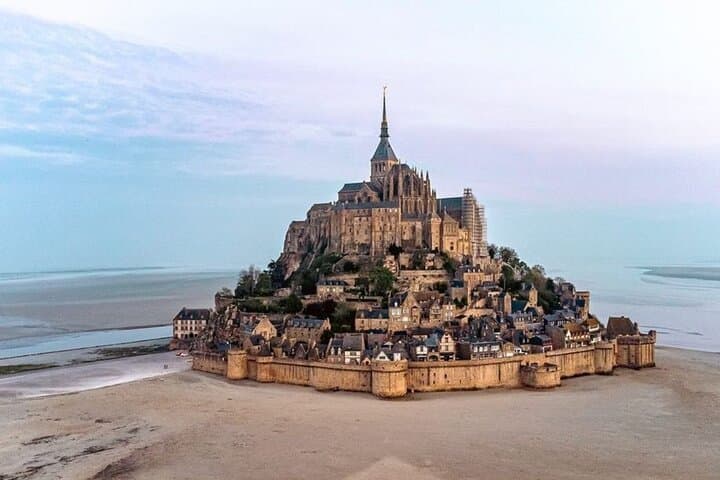
You arrive across the causeway with salt flats spreading out like a pale sea; the abbey rises above the island, its stone spires cutting into the Normandy sky. Gulls wheel and the tide, a force that defines this place, pulls at the shore while tourists and pilgrims thread narrow streets toward the gate.
Verified experiences and guided adventures in the surrounding area.
Operated by THINGS TO DO IN FZCO · Mont-Saint-Michel, Normandy
You arrive across the causeway with salt flats spreading out like a pale sea; the abbey rises above the island, its stone spires cutting into the Normandy sky. Gulls wheel and the tide, a force that defines this place, pulls at the shore while tourists and pilgrims thread narrow streets toward the gate.
The abbey began as an early medieval pilgrimage site and grew into a fortified monastic complex between the 10th and 16th centuries. Built on a granite outcrop, the structure blends Romanesque massing with soaring Gothic choirs; centuries of stonework and staircases tell a story of faith, defense, and maritime life on the edge of the sea.
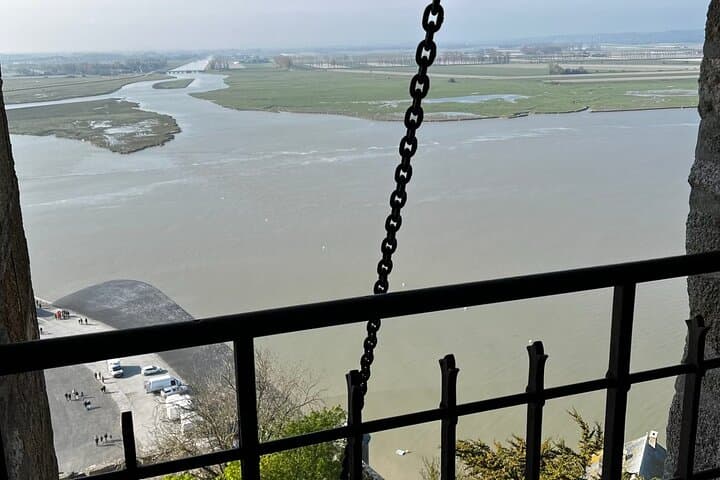
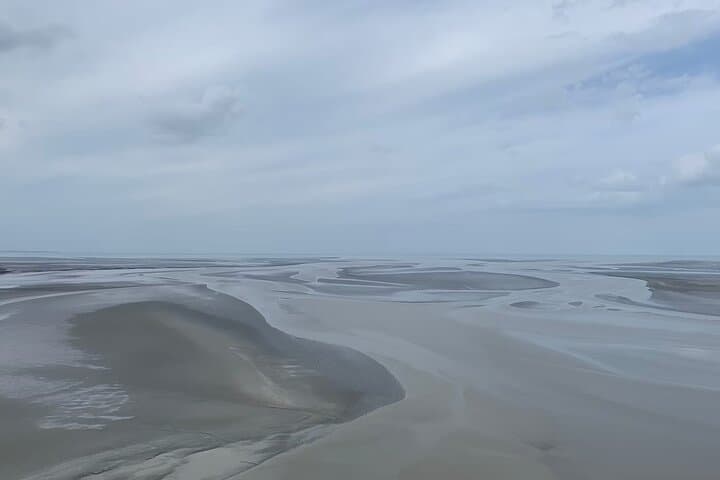
Geologically, Mont-Saint-Michel sits on resistant rock surrounded by tidal sandy flats where tidal ranges can reach roughly 14–15 meters, producing dramatic shifts in landscape every few hours. Local culture still leans on pastoral and coastal traditions — Norman cooking and small chapel rites remain part of the island’s rhythm.
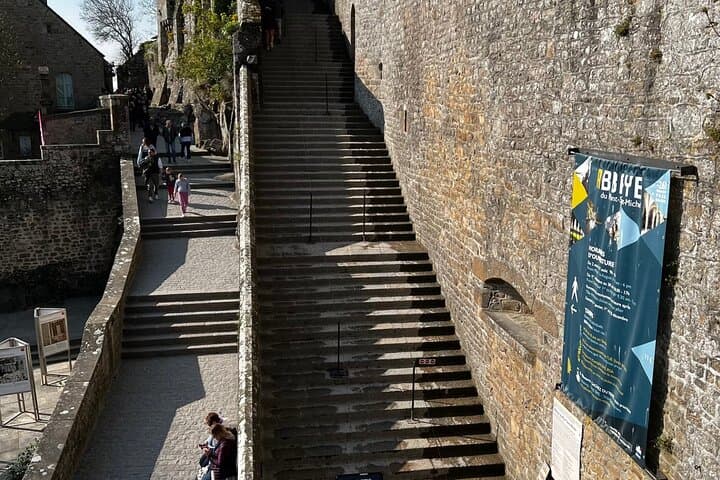
Practically: priority entrance grants timed access to the abbey interiors and includes a multilingual booklet on-site. Expect steep, narrow stone stairs and uneven floors; the visit commonly takes 1–4 hours depending on how much you linger. Tickets are mobile or paper and are final sale. Plan around tide times for photos and access to the bay, arrive early to avoid peak crowds, wear grippy footwear for wet stone, and allow time to explore the ramparts, cloister, and refectory. The abbey’s architecture rewards slow inspection: watch how light moves through the Gothic nave and listen for the wind across the battlements.
easy.
1–4 hours.
Suitable for most fitness levels but involves stair climbing and standing; not recommended for those with severe mobility limits.
Priority entrance grants timed access to the abbey interior to reduce wait times at the main entrance, but you may still encounter short queues at security or during peak periods.
Allocate 1–4 hours: an hour is enough for highlights; 3–4 hours lets you explore cloisters, refectory, ramparts, and nearby bay viewpoints.
The site lists stroller access for some areas, but the abbey interior has many steep stone steps and uneven floors, making full wheelchair access limited—check onsite services for assistance.
Both mobile and paper tickets are accepted; have whichever format you booked ready for admission.
Founded as a pilgrimage site in the 8th century and expanded across the Middle Ages, the abbey served religious, defensive, and maritime functions tied to Normandy’s coastline.
Mont-Saint-Michel is a UNESCO World Heritage Site; visitor numbers and erosion of tidal flats are managed through access controls and restoration projects to protect the island’s fabric and surrounding ecosystem.
THINGS TO DO IN FZCO operates guided outdoor trips and adventures with an emphasis on safety, stewardship, and memorable experiences.
You arrive across the causeway with salt flats spreading out like a pale sea; the abbey rises above the island, its stone spires cutting into the Normandy sky. Gulls wheel and the tide, a force that defines this place, pulls at the shore while tourists and pilgrims thread narrow streets toward the gate.
You arrive across the causeway with salt flats spreading out like a pale sea; the abbey rises above the island, its stone spires cutting into the Normandy sky. Gulls wheel and the tide, a force that defines this place, pulls at the shore while tourists and pilgrims thread narrow streets toward the gate.
The abbey began as an early medieval pilgrimage site and grew into a fortified monastic complex between the 10th and 16th centuries. Built on a granite outcrop, the structure blends Romanesque massing with soaring Gothic choirs; centuries of stonework and staircases tell a story of faith, defense, and maritime life on the edge of the sea.
Geologically, Mont-Saint-Michel sits on resistant rock surrounded by tidal sandy flats where tidal ranges can reach roughly 14–15 meters, producing dramatic shifts in landscape every few hours. Local culture still leans on pastoral and coastal traditions — Norman cooking and small chapel rites remain part of the island’s rhythm.
Practically: priority entrance grants timed access to the abbey interiors and includes a multilingual booklet on-site. Expect steep, narrow stone stairs and uneven floors; the visit commonly takes 1–4 hours depending on how much you linger. Tickets are mobile or paper and are final sale. Plan around tide times for photos and access to the bay, arrive early to avoid peak crowds, wear grippy footwear for wet stone, and allow time to explore the ramparts, cloister, and refectory. The abbey’s architecture rewards slow inspection: watch how light moves through the Gothic nave and listen for the wind across the battlements.