THE ADVENTURE COLLECTIVE® · Independent discovery and booking for outdoor travel

Explore Fort Chitila’s crumbling embrasures and shadowed corridors on a three-hour private tour from Bucharest. Learn the defensive history, feel the building materials, and navigate uneven ruins with a local guide.
Explore Fort Chitila’s crumbling embrasures and shadowed corridors on a three-hour private tour from Bucharest. Learn the defensive history, feel the building materials, and navigate uneven ruins with a local guide.
You arrive on a gray afternoon, the private minivan easing off the ring road while low grass and wind-pressure around the earthworks seem to breathe. Fort Chitila rises in short, battered ridges—red brick, crumbling concrete, and angled gun embrasures that give the place the slow, deliberate mood of a structure that has been left to think. The guide leads you across cracked pavement; wind pushes through corridors and hollow rooms like a curious visitor.
Verified experiences and guided adventures in the surrounding area.
Operated by Supplier · Bucharest, Ilfov
You arrive on a gray afternoon, the private minivan easing off the ring road while low grass and wind-pressure around the earthworks seem to breathe. Fort Chitila rises in short, battered ridges—red brick, crumbling concrete, and angled gun embrasures that give the place the slow, deliberate mood of a structure that has been left to think. The guide leads you across cracked pavement; wind pushes through corridors and hollow rooms like a curious visitor.
These forts were built as part of Bucharest’s late-19th/early-20th-century defensive ring. Fort Chitila and its siblings were engineered for field artillery and observation, their geometry shaped by military doctrine and the local flatness of the Wallachian Plain. In winter the bare soil and frost expose foundations; in summer, tall grasses soften the edges and birds use parapets as vantage points.
Local culture treats these spaces ambivalently—some view them as heritage to document, others as canvases for graffiti and rumor. The ruins offer clear sightlines and a tactile sense of industrial-age masonry: thick walls, vaulted rooms, and drainage channels cut into clay-rich soils beneath.
Practical guidance: the tour is a private, three-hour outing with hotel pick-up, minimal walking but uneven surfaces. Wear sturdy shoes, bring a headlamp for interior spaces, and dress in layers—the microclimate inside brick chambers is colder than outside. Respect no-entry signs and unstable structures; some areas are unsafe. Photography is allowed but be mindful of local regulations and private property boundaries. This tour balances historical curiosity and a controlled, atmospheric encounter with an abandoned defensive landscape just outside Romania’s capital.
easy.
3 hours.
Minimal fitness required—short walks and standing; comfortable mobility helps
The tour runs approximately three hours and includes private transport and guided visits to Fort Chitila.
Yes—physical requirements are low, but uneven ground and stairs may be challenging; notify the operator of mobility needs when booking.
Some interior areas are accessible but may be unstable; the guide will indicate safe zones—follow instructions and avoid restricted sections.
Generally yes for personal use, but commercial photography may require permission; avoid removing or defacing anything on-site.
Fort Chitila is one of the ring of forts built around Bucharest in the late 19th and early 20th centuries to modernize defense; many were abandoned or repurposed after World War I and II.
The forts are vulnerable to vandalism and neglect; respectful visits help document and preserve fabric, and guides often encourage leaving no trace.
Supplier operates guided outdoor trips and adventures with an emphasis on safety, stewardship, and memorable experiences.
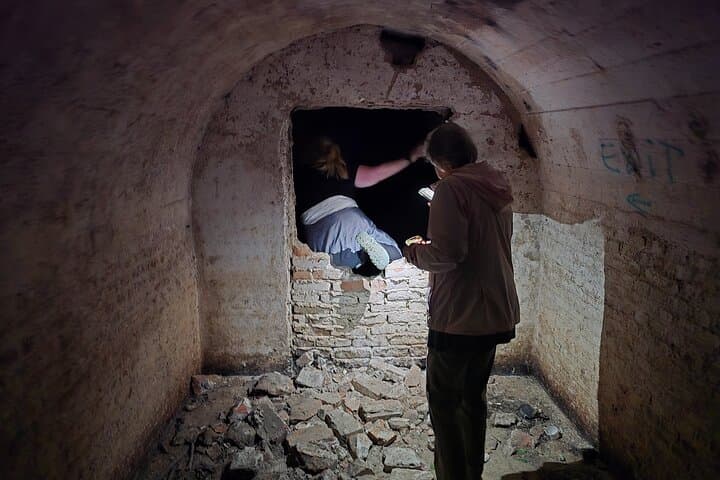
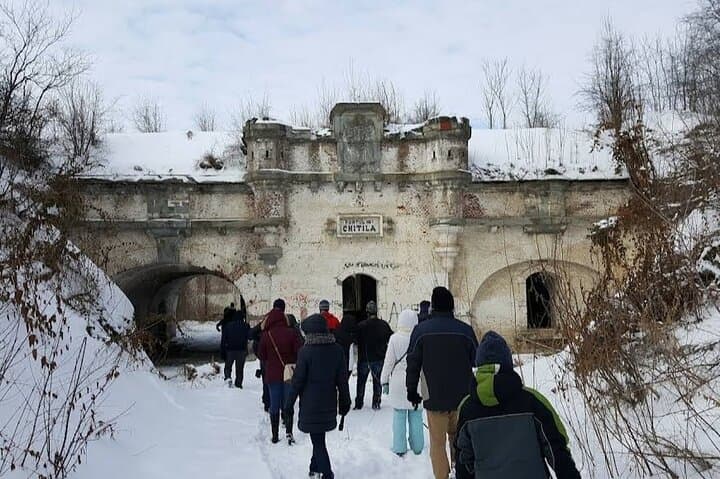
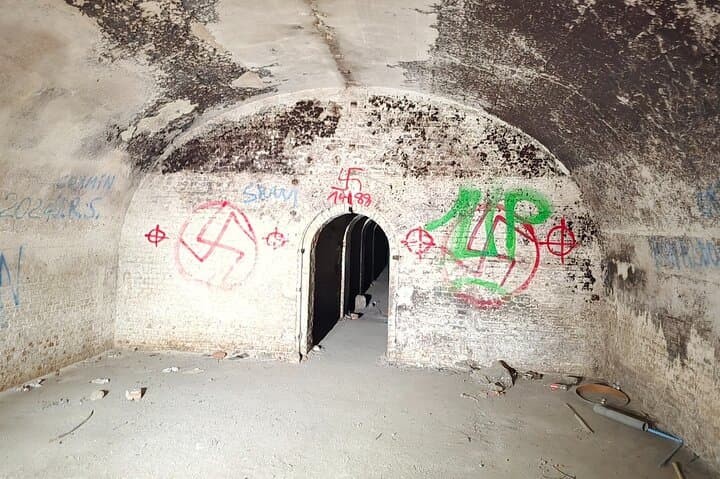
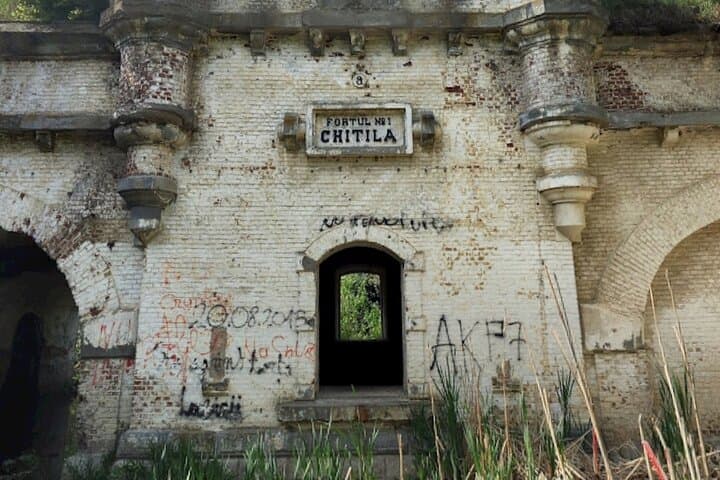
You arrive on a gray afternoon, the private minivan easing off the ring road while low grass and wind-pressure around the earthworks seem to breathe. Fort Chitila rises in short, battered ridges—red brick, crumbling concrete, and angled gun embrasures that give the place the slow, deliberate mood of a structure that has been left to think. The guide leads you across cracked pavement; wind pushes through corridors and hollow rooms like a curious visitor.
You arrive on a gray afternoon, the private minivan easing off the ring road while low grass and wind-pressure around the earthworks seem to breathe. Fort Chitila rises in short, battered ridges—red brick, crumbling concrete, and angled gun embrasures that give the place the slow, deliberate mood of a structure that has been left to think. The guide leads you across cracked pavement; wind pushes through corridors and hollow rooms like a curious visitor.
These forts were built as part of Bucharest’s late-19th/early-20th-century defensive ring. Fort Chitila and its siblings were engineered for field artillery and observation, their geometry shaped by military doctrine and the local flatness of the Wallachian Plain. In winter the bare soil and frost expose foundations; in summer, tall grasses soften the edges and birds use parapets as vantage points.
Local culture treats these spaces ambivalently—some view them as heritage to document, others as canvases for graffiti and rumor. The ruins offer clear sightlines and a tactile sense of industrial-age masonry: thick walls, vaulted rooms, and drainage channels cut into clay-rich soils beneath.
Practical guidance: the tour is a private, three-hour outing with hotel pick-up, minimal walking but uneven surfaces. Wear sturdy shoes, bring a headlamp for interior spaces, and dress in layers—the microclimate inside brick chambers is colder than outside. Respect no-entry signs and unstable structures; some areas are unsafe. Photography is allowed but be mindful of local regulations and private property boundaries. This tour balances historical curiosity and a controlled, atmospheric encounter with an abandoned defensive landscape just outside Romania’s capital.