THE ADVENTURE COLLECTIVE® · Independent discovery and booking for outdoor travel

Train like a medieval combatant in a Kadıköy garden: don gear, practice Buhurt basics with wooden swords, and feel the arc of a real family sword in a hands-on cutting demo. This three-hour session blends history, technique, and a lively social atmosphere.
Train like a medieval combatant in a Kadıköy garden: don gear, practice Buhurt basics with wooden swords, and feel the arc of a real family sword in a hands-on cutting demo. This three-hour session blends history, technique, and a lively social atmosphere.
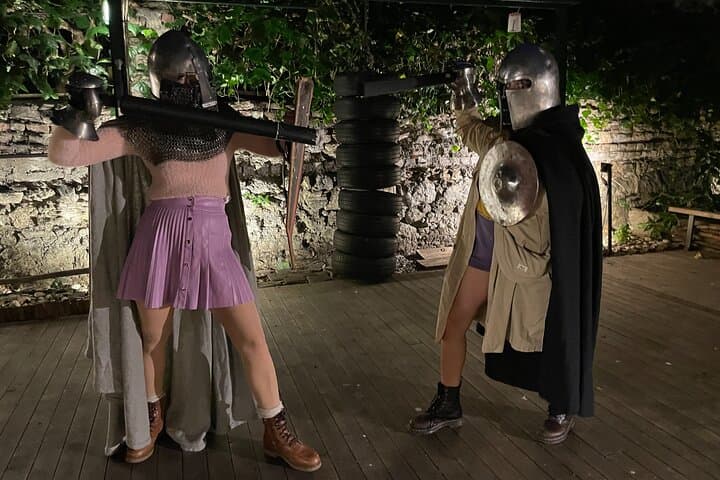
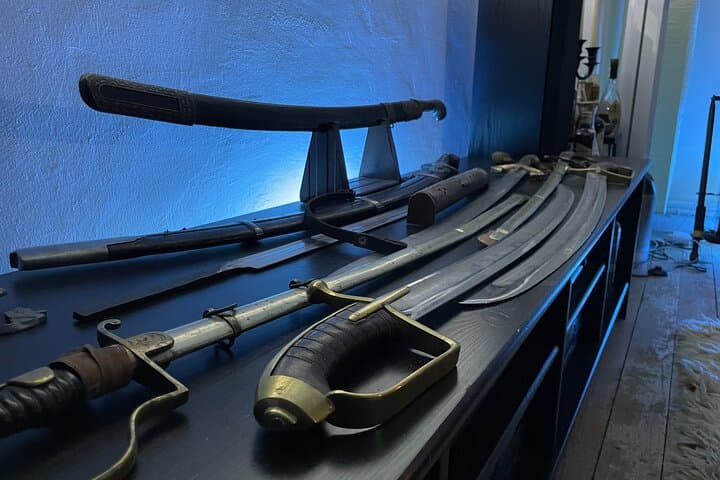
You step through a low gate into a Kadıköy garden where the city noise recedes and wood and metal take over the mood. A domestic armory waits inside—racks of helmets, mail-like padding and a family sword that has seen more than one century—then the instructor's voice outlines strikes and stance. The moment shifts from tour to training: wooden swords cut the air, a filled water bottle thuds and spills, and for a few hours you move like a combatant from another era.
Verified experiences and guided adventures in the surrounding area.
Operated by Lokal Bond · Kadıköy, Istanbul
You step through a low gate into a Kadıköy garden where the city noise recedes and wood and metal take over the mood. A domestic armory waits inside—racks of helmets, mail-like padding and a family sword that has seen more than one century—then the instructor's voice outlines strikes and stance. The moment shifts from tour to training: wooden swords cut the air, a filled water bottle thuds and spills, and for a few hours you move like a combatant from another era.
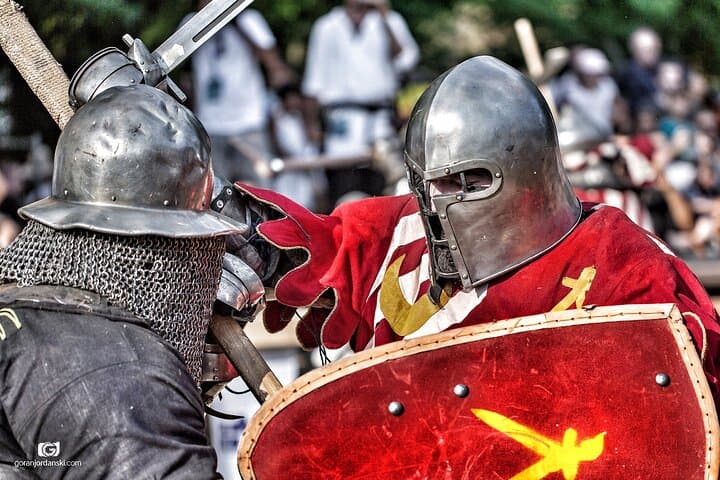
Buhurt—often called Historical Medieval Battles—originated as full-contact, team-based medieval combat in Europe and has been revived worldwide as both sport and living history. In Istanbul it meets Ottoman and Byzantine histories at the crossroads of trade routes and neighborhood workshops; Kadıköy itself began life as Chalcedon, a long-lived settlement with a practical, hands-on culture that suits this shared, domestic training format.
Expect a compact, social session: a seated history briefing, an armory-fit demo, then garden drills and cutting practice. The terrain is flat urban garden; techniques emphasize balance, footwork and controlled strikes rather than brute force. Wear layers you can move in—padding is provided—but plan for sweat and close contact. Arrive 10–15 minutes early to change, and let the instructor know about injuries. This is as much storytelling and material culture as it is training: you’ll leave with a clearer sense of how medieval technique translates to modern practice, and a few practical skills you can build on at home.
moderate.
3 hours.
Moderate—suitable for people who can perform light aerobic activity and basic mobility drills; not recommended for those with serious joint injuries.
No—sessions are designed for beginners and include safety instruction and wooden-weapon practice before any cutting or heavier handling.
Children may attend but the provider recommends moderate fitness; guardians should check age and safety policies in advance.
You may see and handle historical metal examples for demonstration, but active practice uses wooden training swords and supervised cutting of water bottles.
There’s no strict weight limit, but participants should have enough mobility for stepping, pivoting and light impact; disclose any limitations when booking.
Kadıköy (ancient Chalcedon) stands at a historic crossroads between Asia and Europe; its layered past includes Byzantine, Ottoman and maritime trades that shaped local craft and club cultures.
This activity is low-impact but takes place in a residential garden—respect noise, dispose of waste responsibly, and support local small businesses that maintain the neighborhood fabric.
Lokal Bond operates guided outdoor trips and adventures with an emphasis on safety, stewardship, and memorable experiences.

You step through a low gate into a Kadıköy garden where the city noise recedes and wood and metal take over the mood. A domestic armory waits inside—racks of helmets, mail-like padding and a family sword that has seen more than one century—then the instructor's voice outlines strikes and stance. The moment shifts from tour to training: wooden swords cut the air, a filled water bottle thuds and spills, and for a few hours you move like a combatant from another era.
You step through a low gate into a Kadıköy garden where the city noise recedes and wood and metal take over the mood. A domestic armory waits inside—racks of helmets, mail-like padding and a family sword that has seen more than one century—then the instructor's voice outlines strikes and stance. The moment shifts from tour to training: wooden swords cut the air, a filled water bottle thuds and spills, and for a few hours you move like a combatant from another era.
Buhurt—often called Historical Medieval Battles—originated as full-contact, team-based medieval combat in Europe and has been revived worldwide as both sport and living history. In Istanbul it meets Ottoman and Byzantine histories at the crossroads of trade routes and neighborhood workshops; Kadıköy itself began life as Chalcedon, a long-lived settlement with a practical, hands-on culture that suits this shared, domestic training format.
Expect a compact, social session: a seated history briefing, an armory-fit demo, then garden drills and cutting practice. The terrain is flat urban garden; techniques emphasize balance, footwork and controlled strikes rather than brute force. Wear layers you can move in—padding is provided—but plan for sweat and close contact. Arrive 10–15 minutes early to change, and let the instructor know about injuries. This is as much storytelling and material culture as it is training: you’ll leave with a clearer sense of how medieval technique translates to modern practice, and a few practical skills you can build on at home.