THE ADVENTURE COLLECTIVE® · Independent discovery and booking for outdoor travel

Spend a full day tracing Rishikesh’s spiritual and natural highlights—meditation caves, a short trek to Neer Waterfall, riverside walks, and the evening Ganga Aarti. This practical guide explains what to expect and how to prepare for an 8–10 hour private tour.
Spend a full day tracing Rishikesh’s spiritual and natural highlights—meditation caves, a short trek to Neer Waterfall, riverside walks, and the evening Ganga Aarti. This practical guide explains what to expect and how to prepare for an 8–10 hour private tour.
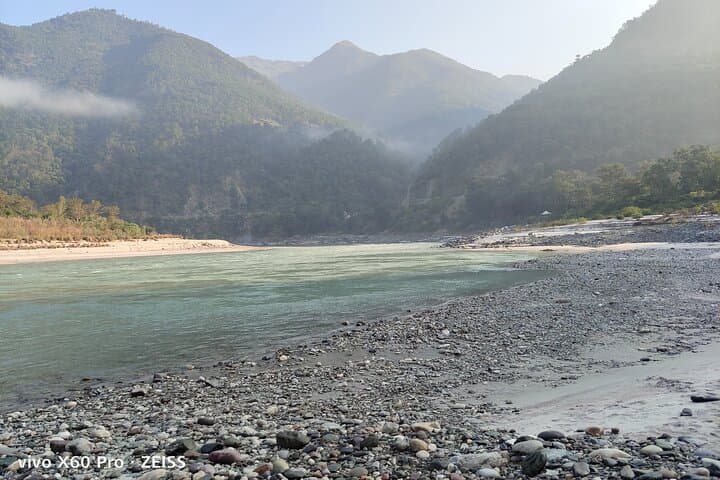
You step off the minivan into clean mountain air and the Ganges meets the town with a current that demands attention. Early light paints the suspension bridges—Laxman Jhula and Ram Jhula—while pilgrims and sadhus move with quiet purpose. The river seems to push you toward the ghats, where evening lamps will later set the water alight.
Verified experiences and guided adventures in the surrounding area.
Operated by Mapping The Himalayas · Rishikesh, Uttarakhand
You step off the minivan into clean mountain air and the Ganges meets the town with a current that demands attention. Early light paints the suspension bridges—Laxman Jhula and Ram Jhula—while pilgrims and sadhus move with quiet purpose. The river seems to push you toward the ghats, where evening lamps will later set the water alight.
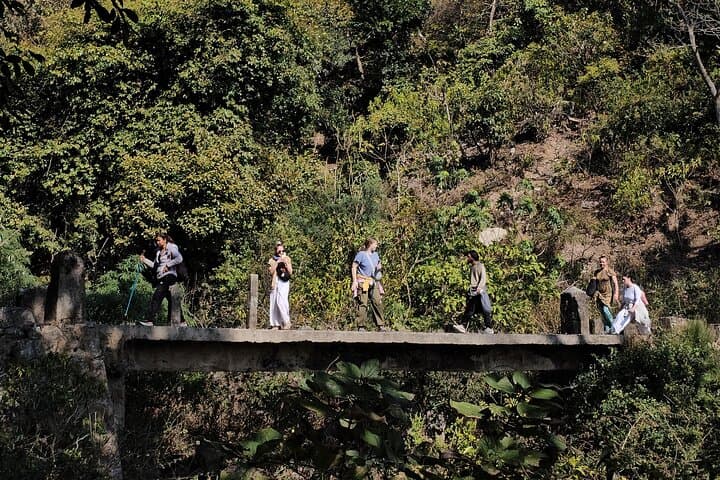
Rishikesh sits at the foothills of the Himalaya and has been a pilgrimage center for centuries; local lore places Laxman crossing the Ganges here on a jute rope, and modern visitors still come for meditation and yoga. Geologically, the town perches on alluvial terraces carved by the river as it descends from the higher ranges—expect mixed stone steps, river pebbles, and short forested rises on nearby trails.
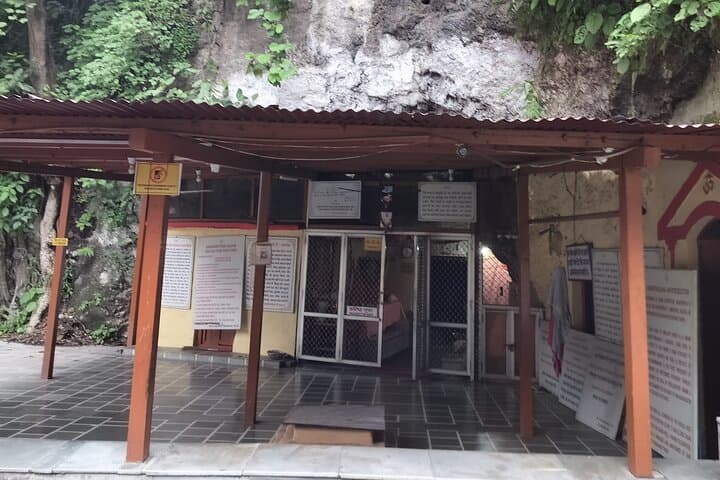
Culture is immediate: ashrams with prayer flags, markets selling devotional beads and copperware, and the ritual cadence of the Ganga Aarti at sunset. Hidden caves like Vashishta and Arundhati invite quiet reflection; the Neer Waterfall is a short trek with a natural pool for cooling off.
Practical guidance: this private, full-day tour runs about 8–10 hours; wear sturdy walking shoes for uneven riverbanks and short treks, bring a lightweight scarf for temple visits, and carry water—the sun can intensify between shaded sections. Respect ashram norms: quiet, modest dress, and remove shoes where requested. Swimming at the waterfall is common but check local conditions; currents and slippery rocks require caution. Time your visit so you end the day at Parmarth Niketan and experience the Ganga Aarti—it's the most visceral way this place connects ritual, river, and rhythm.
easy.
8–10 hours.
Suitable for most fitness levels; expect multiple short walks, some stairs and one 500m uphill to the waterfall.
The tour is a full-day experience, approximately 8–10 hours (480–600 minutes), covering multiple sites and the evening aarti.
Swimming is a common activity at the natural pool above Neer Waterfall, but always assess currents and slippery rocks—follow the guide's advice.
Lunch at Chotiwala is included in the itinerary; bottled water and private transport are provided as noted.
The tour is graded easy overall, but there are stairs and short uneven treks; it may be challenging for guests with limited mobility—notify the operator when booking.
Rishikesh has been a Hindu pilgrimage center for centuries; landmarks like Laxman Jhula reference epic-age stories and the town later became a global hub for yoga and meditation in the 20th century.
The Ganges here faces pollution pressures and heavy tourist use; minimizing plastic, sticking to established paths, and respecting temple grounds helps reduce local impact.
Mapping The Himalayas operates guided outdoor trips and adventures with an emphasis on safety, stewardship, and memorable experiences.
You step off the minivan into clean mountain air and the Ganges meets the town with a current that demands attention. Early light paints the suspension bridges—Laxman Jhula and Ram Jhula—while pilgrims and sadhus move with quiet purpose. The river seems to push you toward the ghats, where evening lamps will later set the water alight.
You step off the minivan into clean mountain air and the Ganges meets the town with a current that demands attention. Early light paints the suspension bridges—Laxman Jhula and Ram Jhula—while pilgrims and sadhus move with quiet purpose. The river seems to push you toward the ghats, where evening lamps will later set the water alight.
Rishikesh sits at the foothills of the Himalaya and has been a pilgrimage center for centuries; local lore places Laxman crossing the Ganges here on a jute rope, and modern visitors still come for meditation and yoga. Geologically, the town perches on alluvial terraces carved by the river as it descends from the higher ranges—expect mixed stone steps, river pebbles, and short forested rises on nearby trails.
Culture is immediate: ashrams with prayer flags, markets selling devotional beads and copperware, and the ritual cadence of the Ganga Aarti at sunset. Hidden caves like Vashishta and Arundhati invite quiet reflection; the Neer Waterfall is a short trek with a natural pool for cooling off.
Practical guidance: this private, full-day tour runs about 8–10 hours; wear sturdy walking shoes for uneven riverbanks and short treks, bring a lightweight scarf for temple visits, and carry water—the sun can intensify between shaded sections. Respect ashram norms: quiet, modest dress, and remove shoes where requested. Swimming at the waterfall is common but check local conditions; currents and slippery rocks require caution. Time your visit so you end the day at Parmarth Niketan and experience the Ganga Aarti—it's the most visceral way this place connects ritual, river, and rhythm.