THE ADVENTURE COLLECTIVE® · Independent discovery and booking for outdoor travel

Step into Dickens’s London on a small-group walking tour that follows the footsteps of Scrooge through taverns, narrow courts and the Royal Exchange. Expect atmospheric stories, historic pubs and a relaxed 2–3 hour route with excellent public transport access.
Step into Dickens’s London on a small-group walking tour that follows the footsteps of Scrooge through taverns, narrow courts and the Royal Exchange. Expect atmospheric stories, historic pubs and a relaxed 2–3 hour route with excellent public transport access.
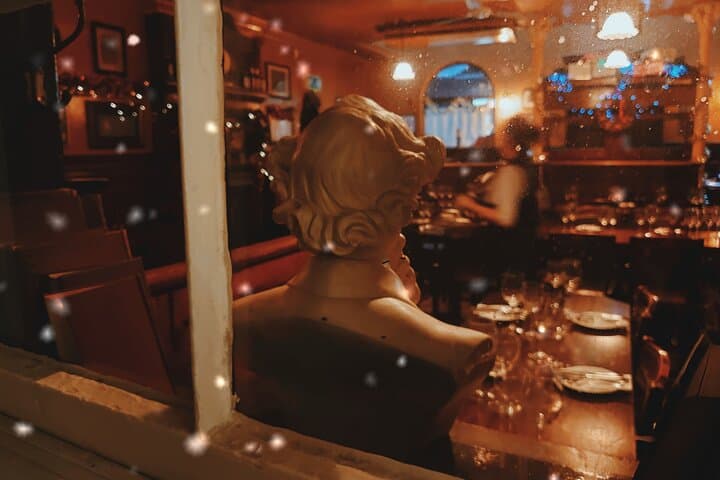
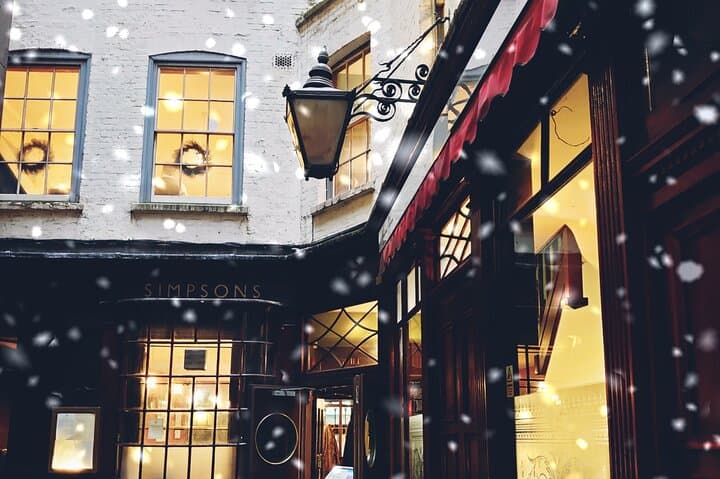
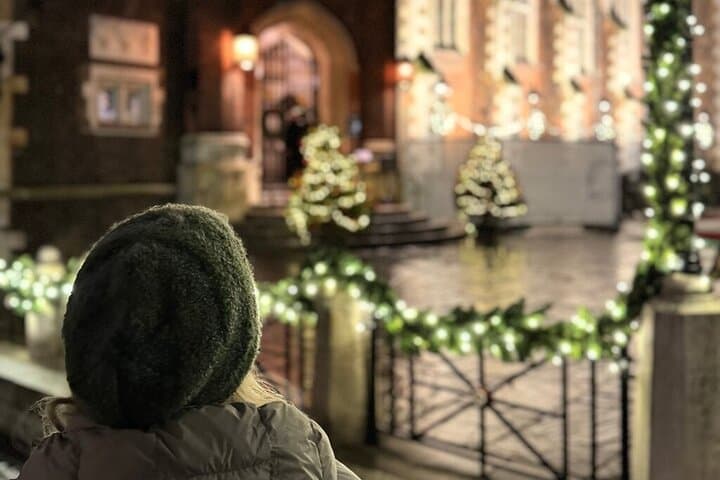
The city air sharpens as you step from Bank Station into alleys lit by gas-style lamps and the low glow of shop windows — a London that might have met Scrooge’s eye. Cobbled courts narrow, a tavern chimney exhales smoke, and the River Thames seems to dare you to follow its bend toward stories of workhouses, counting houses and midnight transformations.
Verified experiences and guided adventures in the surrounding area.
Operated by Richards Tours · London, Greater London
The city air sharpens as you step from Bank Station into alleys lit by gas-style lamps and the low glow of shop windows — a London that might have met Scrooge’s eye. Cobbled courts narrow, a tavern chimney exhales smoke, and the River Thames seems to dare you to follow its bend toward stories of workhouses, counting houses and midnight transformations.
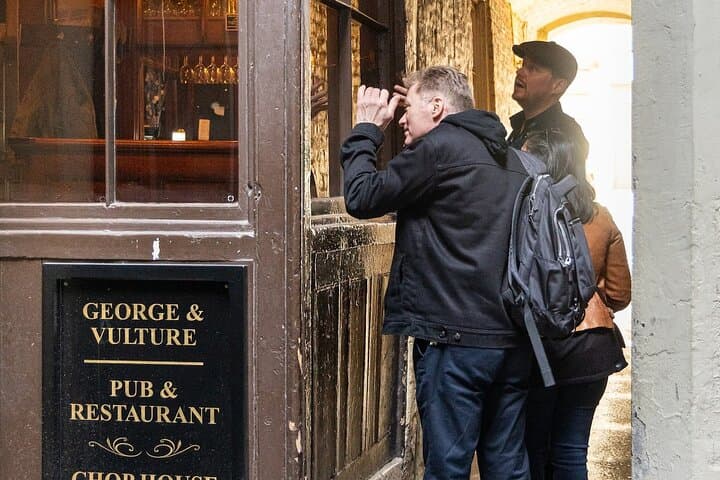
This two-to-three hour small-group walk threads through the City of London where Charles Dickens worked and set episodes of A Christmas Carol. You’ll pass the Royal Exchange steps, old tavern cellars that predate the 13th century, and the George and Vulture — a chop house Dickens frequented. The route highlights Victorian commerce and social contrasts: narrow Inns of Court, market stalls once used for meat and poultry, and the places that fed Dickens’s eye for character and detail.
Practical detail matters: expect 1.5–3 miles of mostly flat walking on uneven historic paving; the pace is relaxed with frequent stops for stories and photos. Guides point out architectural features from Georgian facades to medieval cellars, and will pause at an old pub where you can warm up with mulled wine (not included). Public transport access is excellent; wear grippy shoes and a weatherproof layer — London winter and sudden rain are part of the scene.
Listen for local anecdotes, ask about lesser-known alleys, and leave time afterward to explore Leadenhall Market and nearby museums. This is a cultural walk for readers who want history served with practical navigation and an eye for the city’s lived past.
easy.
2–3 hours.
Light walking ability required; participants should be comfortable standing and walking on uneven pavement for up to three hours.
Groups are very small—maximum ten people—so you’ll hear the guide and have opportunities to ask questions.
Yes; the tour is stroller-accessible but expect some cobbled stretches and steps at certain stops.
No admission tickets are required; food and drink at the pub are not included in the tour price.
Full refunds are available if you cancel at least 24 hours before the tour start time.
Dickens worked in and wrote about the City of London during the early Victorian era; many taverns and markets on this route existed in similar form in his day.
Tours encourage respect for historic interiors and quiet behavior in sensitive areas; support local heritage by patronizing long-standing pubs and shops.
Richards Tours operates guided outdoor trips and adventures with an emphasis on safety, stewardship, and memorable experiences.
The city air sharpens as you step from Bank Station into alleys lit by gas-style lamps and the low glow of shop windows — a London that might have met Scrooge’s eye. Cobbled courts narrow, a tavern chimney exhales smoke, and the River Thames seems to dare you to follow its bend toward stories of workhouses, counting houses and midnight transformations.
The city air sharpens as you step from Bank Station into alleys lit by gas-style lamps and the low glow of shop windows — a London that might have met Scrooge’s eye. Cobbled courts narrow, a tavern chimney exhales smoke, and the River Thames seems to dare you to follow its bend toward stories of workhouses, counting houses and midnight transformations.
This two-to-three hour small-group walk threads through the City of London where Charles Dickens worked and set episodes of A Christmas Carol. You’ll pass the Royal Exchange steps, old tavern cellars that predate the 13th century, and the George and Vulture — a chop house Dickens frequented. The route highlights Victorian commerce and social contrasts: narrow Inns of Court, market stalls once used for meat and poultry, and the places that fed Dickens’s eye for character and detail.
Practical detail matters: expect 1.5–3 miles of mostly flat walking on uneven historic paving; the pace is relaxed with frequent stops for stories and photos. Guides point out architectural features from Georgian facades to medieval cellars, and will pause at an old pub where you can warm up with mulled wine (not included). Public transport access is excellent; wear grippy shoes and a weatherproof layer — London winter and sudden rain are part of the scene.
Listen for local anecdotes, ask about lesser-known alleys, and leave time afterward to explore Leadenhall Market and nearby museums. This is a cultural walk for readers who want history served with practical navigation and an eye for the city’s lived past.