THE ADVENTURE COLLECTIVE® · Independent discovery and booking for outdoor travel

Spend 90 minutes on the water watching migrating humpbacks along the New South Wales coast. Learn when mothers and calves come close and practical tips for the best viewing experience.
Spend 90 minutes on the water watching migrating humpbacks along the New South Wales coast. Learn when mothers and calves come close and practical tips for the best viewing experience.
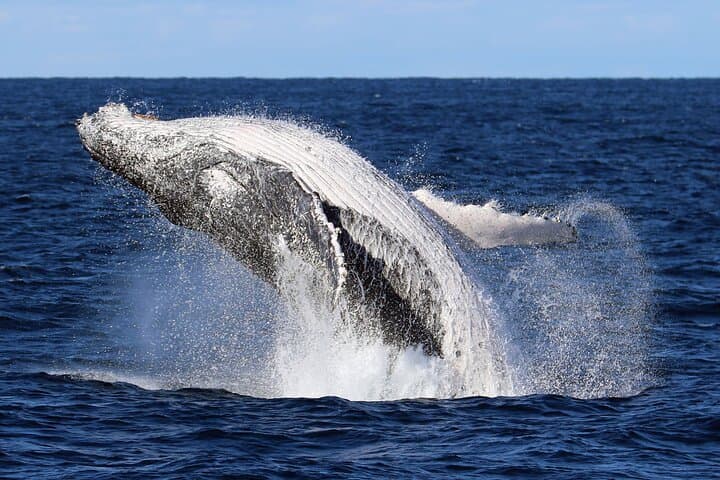
The bow eases through glassy water and the horizon opens: a dark back breaks the surface, exhales a fine spray and arcs away. On a 90-minute cruise off New South Wales you trade shoreline bustle for ocean rhythm — gulls hovering, the swell nudging the hull, and the occasional pair of blows punctuating the silence.
Verified experiences and guided adventures in the surrounding area.
Operated by Shellharbour Wild · Sydney, New South Wales
The bow eases through glassy water and the horizon opens: a dark back breaks the surface, exhales a fine spray and arcs away. On a 90-minute cruise off New South Wales you trade shoreline bustle for ocean rhythm — gulls hovering, the swell nudging the hull, and the occasional pair of blows punctuating the silence.
This stretch of coastline sits at the edge of the continental shelf where deep channels funnel migrating humpbacks along predictable routes. Aboriginal coastal communities have long observed whale movements as seasonal markers; today, modern researchers track the same migrations with acoustic tags. Geology here — rocky headlands, underwater canyons and persistent upwellings — concentrates food and funnels the whales closer to shore during parts of their journey.
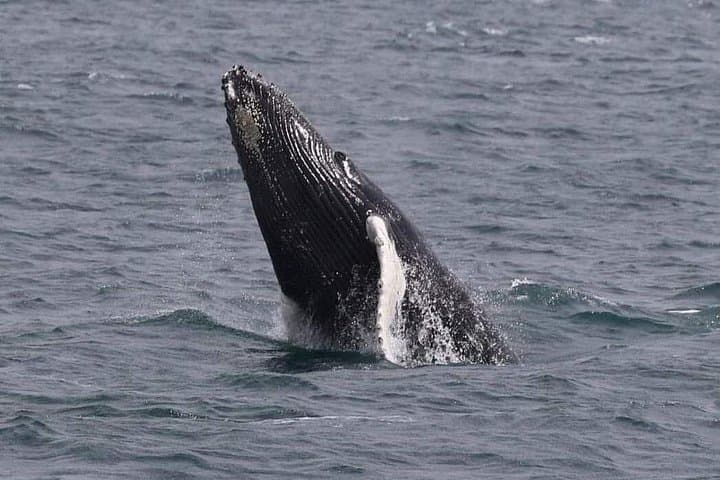
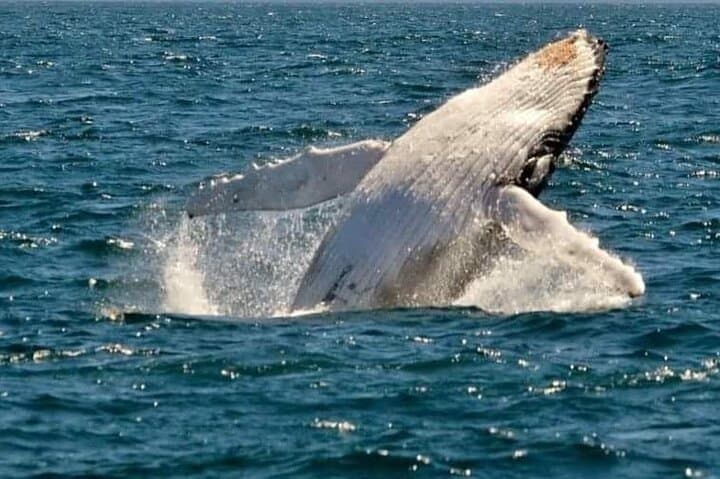
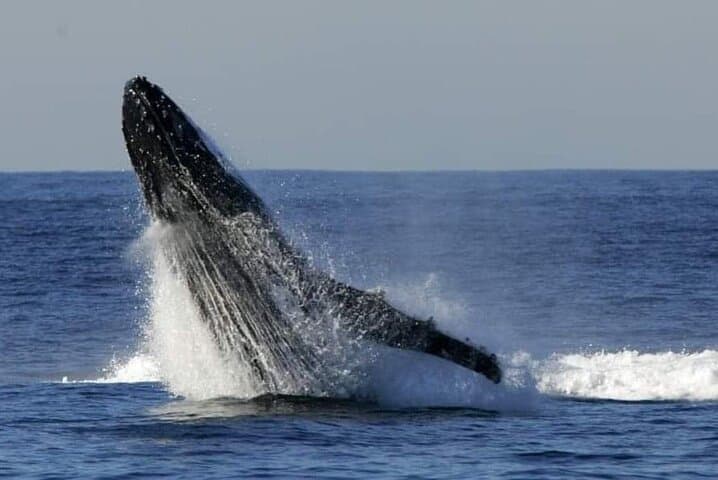
Expect two distinct viewing windows: the northbound transit (roughly late autumn to early winter) when whales move offshore and are often seen at distance, and the southbound return (late winter to spring) when mothers and calves travel closer, offering calmer, intimate surface behaviors. Wildlife officers and crew provide commentary, pointing out flukes, tail slaps and social behaviors while maintaining distance to avoid disturbance.
Practical guidance: book a morning departure for steadier seas and clearer light; bring layered windproof clothing, a hat and sunscreen; secure cameras and use binoculars. Those with heart or spinal conditions, or beyond 24 weeks pregnant, should heed operator restrictions. If you get queasy, take sea-sickness medication an hour before departure and focus on the horizon.
A short cruise like this delivers concentrated chances to see powerful, curious animals while minimizing time at sea — a compact, responsible way to watch migration in action.
easy.
1.5 hours.
Suitable for most fitness levels; requires boarding a vessel and standing on deck for short periods
Whale migration runs broadly from May to November; northbound transit tends to occur earlier with offshore sightings, while the southbound return—often with mothers and calves—peaks later in the season.
Yes, but infants must sit on an adult’s lap and operators may have age limits or safety guidance—check the provider’s policy before booking.
Sea conditions can cause motion sickness; most operators recommend medication and provide cancellation/refund policies if you cancel at least 24 hours prior or if the operator cancels for weather.
This particular cruise is not recommended for passengers over 24 weeks pregnant and advises those with significant heart or spinal issues to avoid participation.
Coastal Indigenous communities used whale movements as seasonal markers; modern whale conservation efforts in Australia began in the 20th century and helped rebuild humpback populations.
Operators follow strict approach distances and reporting protocols to minimize disturbance; choose providers that adhere to local marine park rules and avoid encouraging surface interactions.
Shellharbour Wild operates guided outdoor trips and adventures with an emphasis on safety, stewardship, and memorable experiences.
The bow eases through glassy water and the horizon opens: a dark back breaks the surface, exhales a fine spray and arcs away. On a 90-minute cruise off New South Wales you trade shoreline bustle for ocean rhythm — gulls hovering, the swell nudging the hull, and the occasional pair of blows punctuating the silence.
The bow eases through glassy water and the horizon opens: a dark back breaks the surface, exhales a fine spray and arcs away. On a 90-minute cruise off New South Wales you trade shoreline bustle for ocean rhythm — gulls hovering, the swell nudging the hull, and the occasional pair of blows punctuating the silence.
This stretch of coastline sits at the edge of the continental shelf where deep channels funnel migrating humpbacks along predictable routes. Aboriginal coastal communities have long observed whale movements as seasonal markers; today, modern researchers track the same migrations with acoustic tags. Geology here — rocky headlands, underwater canyons and persistent upwellings — concentrates food and funnels the whales closer to shore during parts of their journey.
Expect two distinct viewing windows: the northbound transit (roughly late autumn to early winter) when whales move offshore and are often seen at distance, and the southbound return (late winter to spring) when mothers and calves travel closer, offering calmer, intimate surface behaviors. Wildlife officers and crew provide commentary, pointing out flukes, tail slaps and social behaviors while maintaining distance to avoid disturbance.
Practical guidance: book a morning departure for steadier seas and clearer light; bring layered windproof clothing, a hat and sunscreen; secure cameras and use binoculars. Those with heart or spinal conditions, or beyond 24 weeks pregnant, should heed operator restrictions. If you get queasy, take sea-sickness medication an hour before departure and focus on the horizon.
A short cruise like this delivers concentrated chances to see powerful, curious animals while minimizing time at sea — a compact, responsible way to watch migration in action.