THE ADVENTURE COLLECTIVE® · Independent discovery and booking for outdoor travel

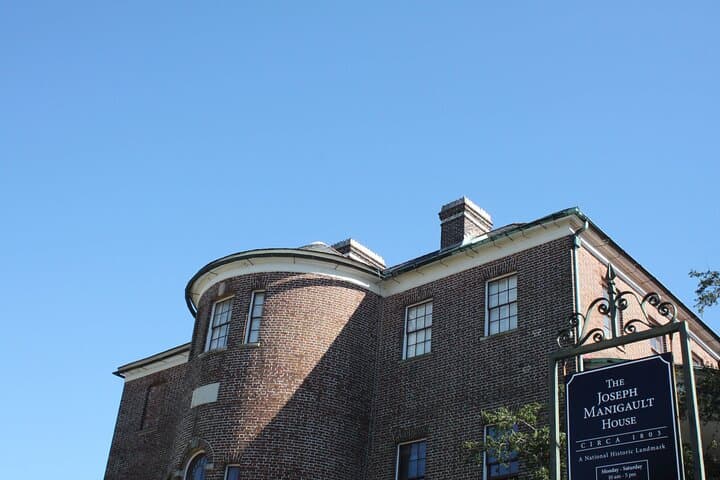
See Charleston’s historic waterfront, Rainbow Row and more than 100 points of interest in a compact, narrated 90-minute mini-coach tour. Optional upgrades include the Joseph Manigault House and the Charleston Museum.
See Charleston’s historic waterfront, Rainbow Row and more than 100 points of interest in a compact, narrated 90-minute mini-coach tour. Optional upgrades include the Joseph Manigault House and the Charleston Museum.
The bus eases out of the Gray Line shed on Meeting Street and the city opens like a map under low, salt-sweet air. In 90 minutes you move through narrow streets and along the Battery seawall as a guide stitches together centuries — plantation wealth, port trade and the conflict lines of the Civil War — while live oak branches reach across avenues like patient hands.
Verified experiences and guided adventures in the surrounding area.
Operated by Gray Line Charleston · Charleston, South Carolina
The bus eases out of the Gray Line shed on Meeting Street and the city opens like a map under low, salt-sweet air. In 90 minutes you move through narrow streets and along the Battery seawall as a guide stitches together centuries — plantation wealth, port trade and the conflict lines of the Civil War — while live oak branches reach across avenues like patient hands.
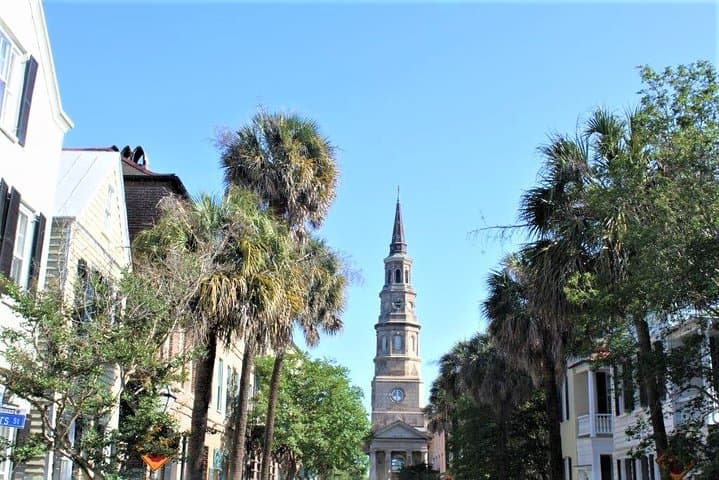
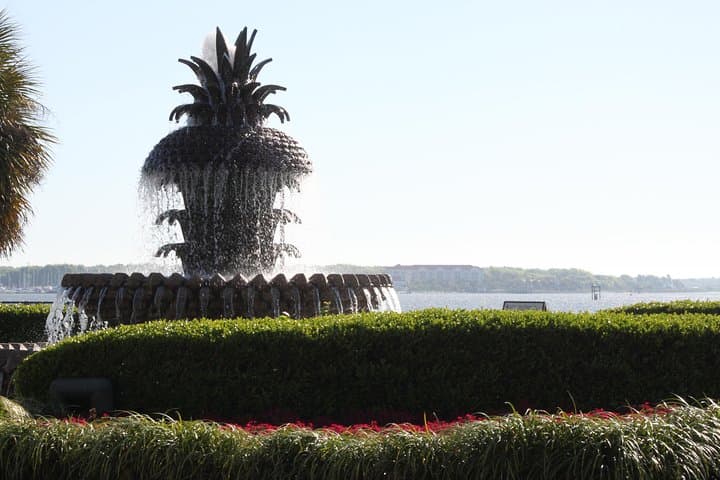
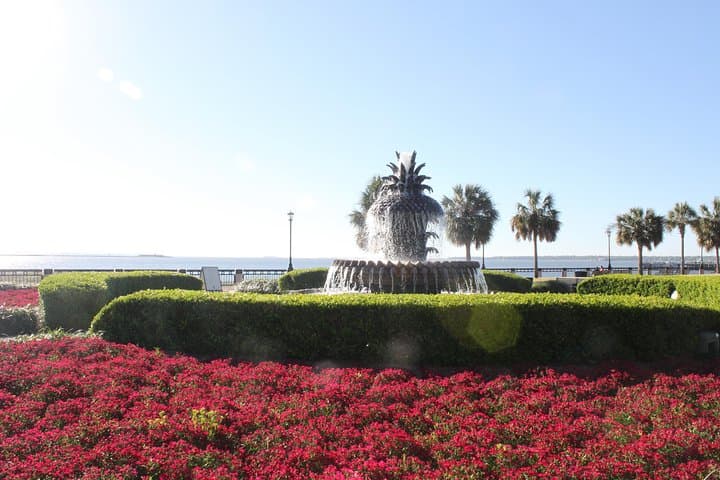
Charleston sits on the Atlantic Coastal Plain; its geology is flat, with marshes and tidal creeks that shaped its economy and defenses. Founded in the late 17th century, the city was a key colonial port and later the flashpoint for Fort Sumter. The bus passes more than 100 points of interest: Rainbow Row’s painted brick, the Old Exchange Building and White Point Gardens, with optional stops at the Joseph Manigault House or Charleston Museum for deeper historical context.
Culture here is tactile — pickled shrimp at a market stall, Gullah heritage visible in crafts and foodways, and plaques marking contested histories. The harbor often shows dolphins cutting through the tide, daring you to peer closer.
Practical guidance: tours depart from the Charleston Visitor Center at 375 Meeting Street; arrive 15 minutes early and note buses run rain or shine. Food and drink aren’t permitted onboard; bring a light jacket for coastal breeze and comfortable shoes for short walks if you upgrade. Parking near the Visitor Center is metered (about $2/hr). The tour is suitable for all fitness levels and gives a compact, narrated introduction to plan longer explorations on foot afterward.
easy.
90 minutes.
Suitable for most fitness levels; mostly seated with optional short, level walks
Tours depart from the Charleston Visitor Center at 375 Meeting Street; check in at the Gray Line Bus in the Bus Shed behind the Center.
Yes—strollers are allowed and service animals are permitted; infants must sit on an adult’s lap.
Tours run regardless of weather; in rare cases the operator may cancel and offer rescheduling.
Admission to the Joseph Manigault House or the Charleston Museum is available as an optional upgrade at booking or checkout.
Charleston was founded in the 1670s as a strategic Atlantic port; its wealth from rice and indigo shaped much of its built environment and was central to Revolutionary and Civil War events.
The Lowcountry’s tidal marshes and historic fabric are vulnerable to sea-level rise and heavy tourism; choose low-impact behavior, stay on paths, and support local preservation efforts.
Gray Line Charleston operates guided outdoor trips and adventures with an emphasis on safety, stewardship, and memorable experiences.
The bus eases out of the Gray Line shed on Meeting Street and the city opens like a map under low, salt-sweet air. In 90 minutes you move through narrow streets and along the Battery seawall as a guide stitches together centuries — plantation wealth, port trade and the conflict lines of the Civil War — while live oak branches reach across avenues like patient hands.
The bus eases out of the Gray Line shed on Meeting Street and the city opens like a map under low, salt-sweet air. In 90 minutes you move through narrow streets and along the Battery seawall as a guide stitches together centuries — plantation wealth, port trade and the conflict lines of the Civil War — while live oak branches reach across avenues like patient hands.
Charleston sits on the Atlantic Coastal Plain; its geology is flat, with marshes and tidal creeks that shaped its economy and defenses. Founded in the late 17th century, the city was a key colonial port and later the flashpoint for Fort Sumter. The bus passes more than 100 points of interest: Rainbow Row’s painted brick, the Old Exchange Building and White Point Gardens, with optional stops at the Joseph Manigault House or Charleston Museum for deeper historical context.
Culture here is tactile — pickled shrimp at a market stall, Gullah heritage visible in crafts and foodways, and plaques marking contested histories. The harbor often shows dolphins cutting through the tide, daring you to peer closer.
Practical guidance: tours depart from the Charleston Visitor Center at 375 Meeting Street; arrive 15 minutes early and note buses run rain or shine. Food and drink aren’t permitted onboard; bring a light jacket for coastal breeze and comfortable shoes for short walks if you upgrade. Parking near the Visitor Center is metered (about $2/hr). The tour is suitable for all fitness levels and gives a compact, narrated introduction to plan longer explorations on foot afterward.