THE ADVENTURE COLLECTIVE® · Independent discovery and booking for outdoor travel

Follow a loop from Victoria Falls to Hwange, Chobe and the Okavango—nine days of dawn game drives, mokoro floats and river cruises. This expedition stitches together the region’s richest wildlife habitats with practical logistics for first-time safari travelers.
Follow a loop from Victoria Falls to Hwange, Chobe and the Okavango—nine days of dawn game drives, mokoro floats and river cruises. This expedition stitches together the region’s richest wildlife habitats with practical logistics for first-time safari travelers.
Thunder of the Zambezi hangs in the humid air as you step off the transfer and into a transport rig bound for Hwange: sun-bright grasslands, waterholes that draw life like a magnet and the occasional herd that pauses to study your arrival.
Verified experiences and guided adventures in the surrounding area.
Operated by SHOCKWAVE ADVENTURES · Victoria Falls, Matabeleland North
Thunder of the Zambezi hangs in the humid air as you step off the transfer and into a transport rig bound for Hwange: sun-bright grasslands, waterholes that draw life like a magnet and the occasional herd that pauses to study your arrival.
This nine-day route threads together Zimbabwe’s colonial-era conservation parks and Botswana’s seasonal waterways. Hwange’s ancient dunes and pan systems host elephant corridors carved by generations; the Zambezi gorge and Victoria Falls show the raw erosive power where basalt and sandstone meet; the Okavango’s braided channels are a living floodplain shaped by seasonal rains that travel hundreds of miles across the Kalahari.
Culturally, the itinerary moves between town markets, riverside communities and lodge hospitality that blends local cuisine and storytelling. Guides here read spoor like shorthand: lion scrapes, wild dog spoor, sitatunga signs in the reedbeds.
Practical guidance: expect long road transfers and early starts—game drives commonly leave at dawn. Pack neutral, breathable clothing, a good pair of binoculars and a small daypack for short walks from the vehicle. Mosquito protection and a light rain shell are useful in the wet season; water levels govern mokoro availability in the Okavango.
On safari, keep distance, follow your guide’s instructions and carry small-denomination local currency for park fees or tips. Photographers should bring long lenses and fast cards; everyone benefits from patience—predator sightings often hinge on a quiet hour at a distant waterhole.
This expedition is a paced, land-and-water safari that prioritizes wildlife encounters and the shifting geographies between river, plain and delta.
easy.
9 days.
Suitable for most fitness levels; participants should be comfortable with long vehicle transfers, early mornings and short guided walks.
Government park entry fees are listed among inclusions—confirm specifics with the operator as some community or special activity fees may be additional.
Visa and vaccination requirements depend on your nationality; yellow fever proof is required only if coming from a yellow-fever zone—check consular advice and CDC recommendations before travel.
Transfers include handovers at formal border posts; bring passports, any required visas and arrival/departure flight details for smooth processing.
Mokoro trips depend on Okavango water levels—available in wetter months; operators will substitute with boat excursions or adjusted activities when channels are low.
The route traces colonial-era conservation boundaries and river trade corridors; many parks formed as protected areas in the 20th century to manage water and wildlife resources.
Anti-poaching efforts and community-managed concessions are central here; stick to marked trails and support lodges that reinvest in local conservation and employment.
SHOCKWAVE ADVENTURES operates guided outdoor trips and adventures with an emphasis on safety, stewardship, and memorable experiences.
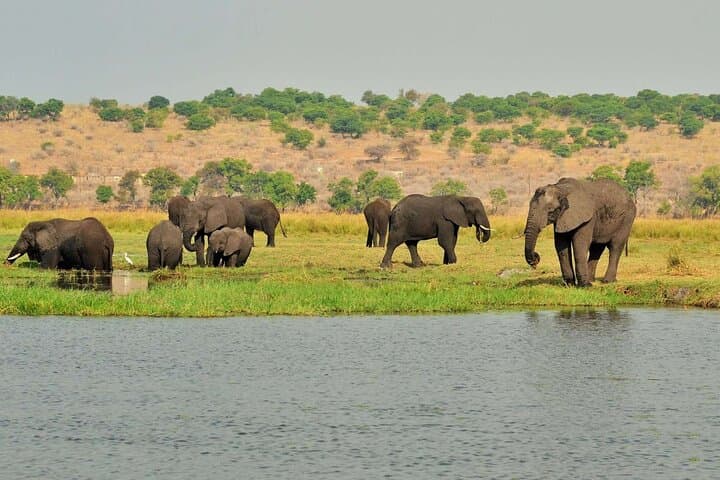
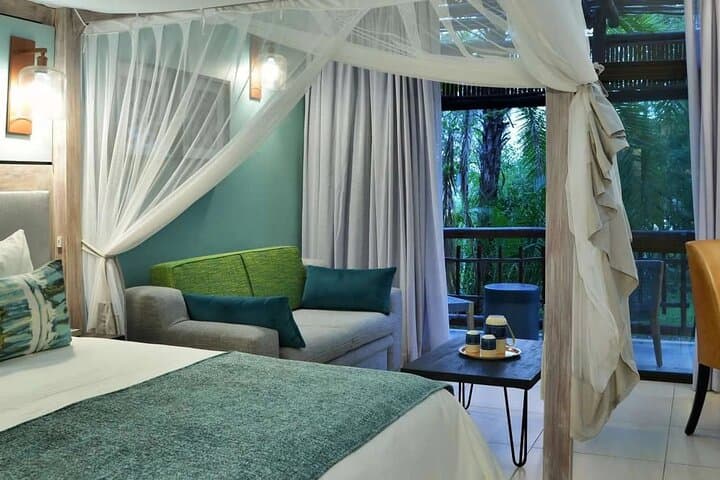
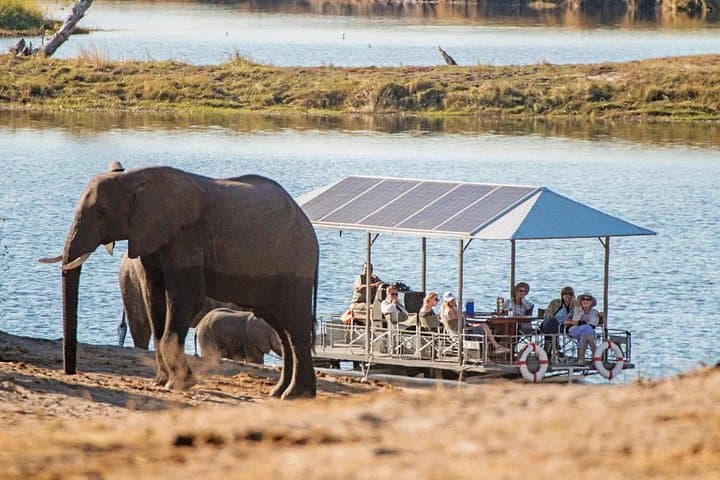
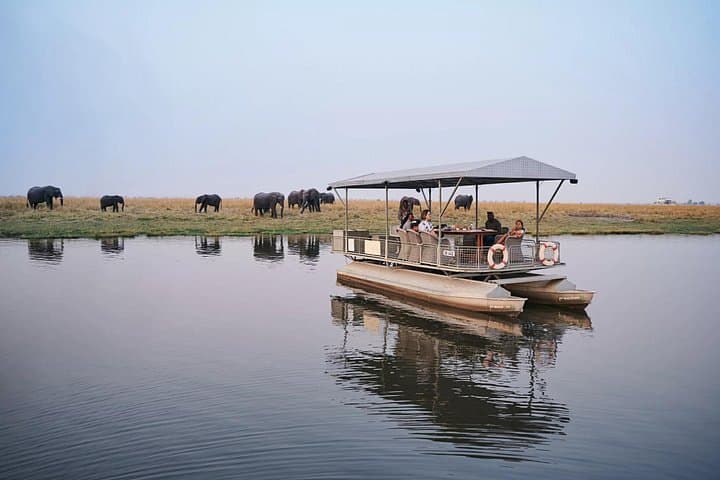
Thunder of the Zambezi hangs in the humid air as you step off the transfer and into a transport rig bound for Hwange: sun-bright grasslands, waterholes that draw life like a magnet and the occasional herd that pauses to study your arrival.
Thunder of the Zambezi hangs in the humid air as you step off the transfer and into a transport rig bound for Hwange: sun-bright grasslands, waterholes that draw life like a magnet and the occasional herd that pauses to study your arrival.
This nine-day route threads together Zimbabwe’s colonial-era conservation parks and Botswana’s seasonal waterways. Hwange’s ancient dunes and pan systems host elephant corridors carved by generations; the Zambezi gorge and Victoria Falls show the raw erosive power where basalt and sandstone meet; the Okavango’s braided channels are a living floodplain shaped by seasonal rains that travel hundreds of miles across the Kalahari.
Culturally, the itinerary moves between town markets, riverside communities and lodge hospitality that blends local cuisine and storytelling. Guides here read spoor like shorthand: lion scrapes, wild dog spoor, sitatunga signs in the reedbeds.
Practical guidance: expect long road transfers and early starts—game drives commonly leave at dawn. Pack neutral, breathable clothing, a good pair of binoculars and a small daypack for short walks from the vehicle. Mosquito protection and a light rain shell are useful in the wet season; water levels govern mokoro availability in the Okavango.
On safari, keep distance, follow your guide’s instructions and carry small-denomination local currency for park fees or tips. Photographers should bring long lenses and fast cards; everyone benefits from patience—predator sightings often hinge on a quiet hour at a distant waterhole.
This expedition is a paced, land-and-water safari that prioritizes wildlife encounters and the shifting geographies between river, plain and delta.