THE ADVENTURE COLLECTIVE® · Independent discovery and booking for outdoor travel

Travel from Bangkok’s busy markets to northern highland temples on a compact nine-day circuit. This small-group tour blends UNESCO ruins, Mekong river crossings, hill‑tribe culture and Chiang Mai’s mountain temple views with practical logistics for travellers.
Travel from Bangkok’s busy markets to northern highland temples on a compact nine-day circuit. This small-group tour blends UNESCO ruins, Mekong river crossings, hill‑tribe culture and Chiang Mai’s mountain temple views with practical logistics for travellers.
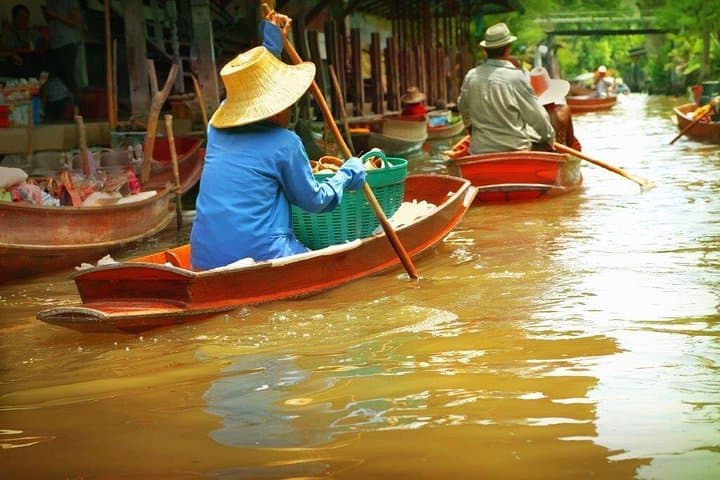
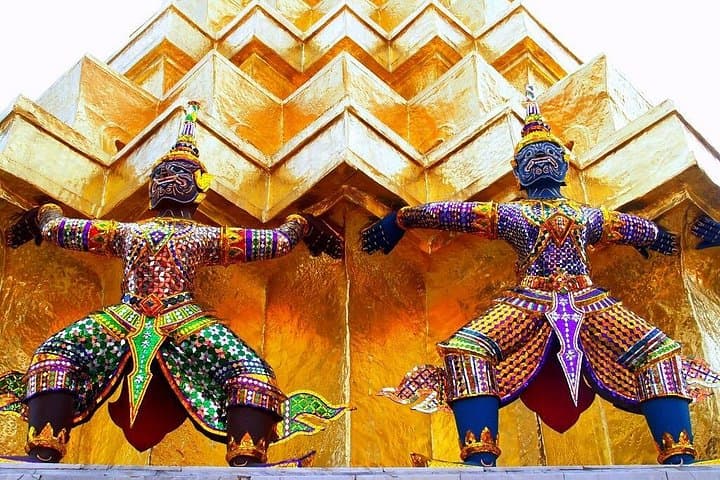
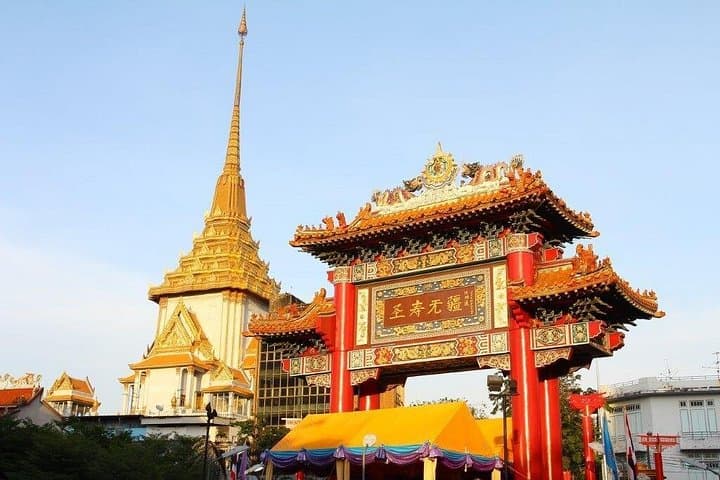
You step out of Suvarnabhumi into humid air and a city that moves on a different pulse — tuk-tuks weaving, food steam rising, gilded roofs catching late light. Over nine days this rhythm changes from Bangkok’s river plain to the low hills of Sukhothai and the teak-lined valleys of northern Thailand, finishing atop Doi Suthep with the city spread below.
Verified experiences and guided adventures in the surrounding area.
Operated by Destination Services Thailand · Bangkok, Bangkok
You step out of Suvarnabhumi into humid air and a city that moves on a different pulse — tuk-tuks weaving, food steam rising, gilded roofs catching late light. Over nine days this rhythm changes from Bangkok’s river plain to the low hills of Sukhothai and the teak-lined valleys of northern Thailand, finishing atop Doi Suthep with the city spread below.
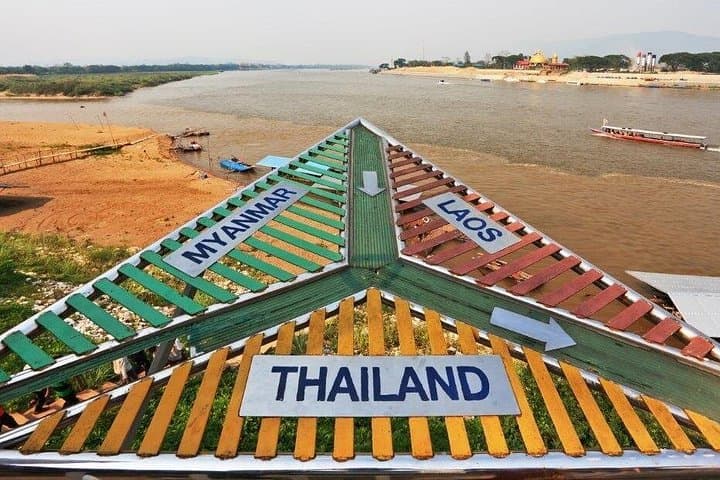
The route stitches together Thailand’s layered history: Ayutthaya and Sukhothai, former capitals whose collapsed stupas and recumbent Buddhas mark the shift of power and religious art over centuries. Geologically the trip moves from the Chao Phraya floodplain into older Cenozoic highlands; rivers like the Mekong carve borders and livelihoods, pushing trade and people across modern nation lines. Cultural notes are direct — hill-tribe museums and local woodworking retain living craft traditions, while the 212 House of Opium explains the Golden Triangle’s fraught past.
Practically, expect long drives (examples in the itinerary: Bangkok–Ayutthaya–Phitsanulok ~405 km/6 hrs; Lampang–Phayao–Golden Triangle–Chiang Rai ~470 km/5.5 hrs) and many short walks on uneven temple grounds. Temple etiquette is enforced: cover shoulders and knees, remove shoes. Early mornings are best for markets and cooler temple visits; bring sun protection and insect repellent for river and forest stops. The cable car to Doi Suthep is included if you’d rather avoid the 309-step naga staircase. Hydrate frequently, carry a lightweight daypack, and leave time to listen — river currents, market sellers, and monks’ chants reveal more than a schedule can.
moderate.
9 days.
Suitable for travellers comfortable with full days of walking, steps (309 at Doi Suthep optional), and multi-hour vehicle transfers.
Meet & greet at Bangkok Suvarnabhumi Airport and arrival transfer to a central hotel are included as stated in the itinerary.
The tour is marked physically easy and suitable for most fitness levels, but long driving days and stairs (309 steps at Doi Suthep) may be tiring; consider private assistance if mobility is limited.
This operator lists an all-sales-final cancellation policy — no refunds are available; confirm carefully before booking.
The itinerary visits Elephant Poopoopaper Park (educational and eco-focused) rather than riding or direct contact experiences; always avoid operators offering riding.
Ayutthaya and Sukhothai were successive capitals whose ruined temples map Thailand’s medieval political and religious evolution; the Golden Triangle later became notorious for opium trade, now interpreted in museums.
Support ethical, community-based attractions (the paper park and local artisan shops) and avoid elephant-riding offerings; minimise single-use plastics and respect fragile archaeological sites.
Destination Services Thailand operates guided outdoor trips and adventures with an emphasis on safety, stewardship, and memorable experiences.
You step out of Suvarnabhumi into humid air and a city that moves on a different pulse — tuk-tuks weaving, food steam rising, gilded roofs catching late light. Over nine days this rhythm changes from Bangkok’s river plain to the low hills of Sukhothai and the teak-lined valleys of northern Thailand, finishing atop Doi Suthep with the city spread below.
You step out of Suvarnabhumi into humid air and a city that moves on a different pulse — tuk-tuks weaving, food steam rising, gilded roofs catching late light. Over nine days this rhythm changes from Bangkok’s river plain to the low hills of Sukhothai and the teak-lined valleys of northern Thailand, finishing atop Doi Suthep with the city spread below.
The route stitches together Thailand’s layered history: Ayutthaya and Sukhothai, former capitals whose collapsed stupas and recumbent Buddhas mark the shift of power and religious art over centuries. Geologically the trip moves from the Chao Phraya floodplain into older Cenozoic highlands; rivers like the Mekong carve borders and livelihoods, pushing trade and people across modern nation lines. Cultural notes are direct — hill-tribe museums and local woodworking retain living craft traditions, while the 212 House of Opium explains the Golden Triangle’s fraught past.
Practically, expect long drives (examples in the itinerary: Bangkok–Ayutthaya–Phitsanulok ~405 km/6 hrs; Lampang–Phayao–Golden Triangle–Chiang Rai ~470 km/5.5 hrs) and many short walks on uneven temple grounds. Temple etiquette is enforced: cover shoulders and knees, remove shoes. Early mornings are best for markets and cooler temple visits; bring sun protection and insect repellent for river and forest stops. The cable car to Doi Suthep is included if you’d rather avoid the 309-step naga staircase. Hydrate frequently, carry a lightweight daypack, and leave time to listen — river currents, market sellers, and monks’ chants reveal more than a schedule can.