THE ADVENTURE COLLECTIVE® · Independent discovery and booking for outdoor travel

A compact nine-day loop through southern Peru that pairs Arequipa’s volcanic panoramas with Lake Titicaca’s living islands and the Inca masterpieces around Cusco and Machu Picchu. Expect high-altitude landscapes, colonial architecture, and an itinerary that balances travel days with immersive cultural stops.
A compact nine-day loop through southern Peru that pairs Arequipa’s volcanic panoramas with Lake Titicaca’s living islands and the Inca masterpieces around Cusco and Machu Picchu. Expect high-altitude landscapes, colonial architecture, and an itinerary that balances travel days with immersive cultural stops.
Morning light in Arequipa falls across white volcanic sillar, then the road climbs into high, wind-bent puna where vicuñas graze and the Andes open like pages in a field guide.
Verified experiences and guided adventures in the surrounding area.
Operated by VIPAC Travel · Cusco, Cusco Region
Morning light in Arequipa falls across white volcanic sillar, then the road climbs into high, wind-bent puna where vicuñas graze and the Andes open like pages in a field guide.
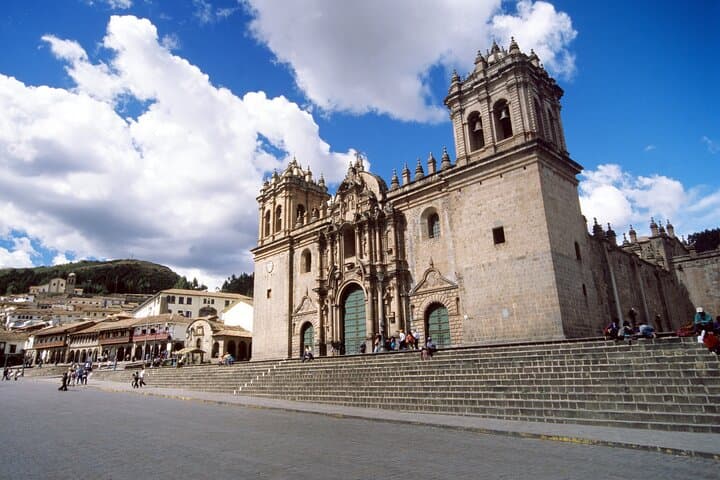
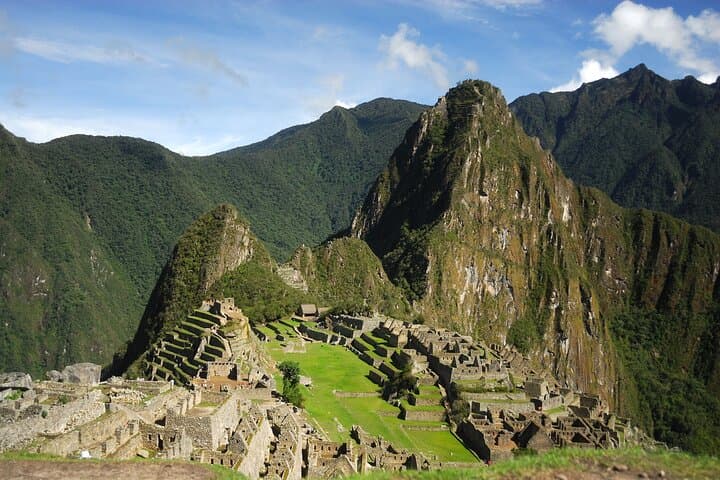
This nine-day route threads three eras: colonial Arequipa with its baroque churches built from volcanic stone; the living Andean cultures of Puno and Lake Titicaca where Uros reed islands and Taquile weave in Quechua and Aymara traditions; and the Inca heartland around Cusco and Machu Picchu, where terraces, stonework and ceremonial plazas reveal engineering and cosmology from the 15th century.
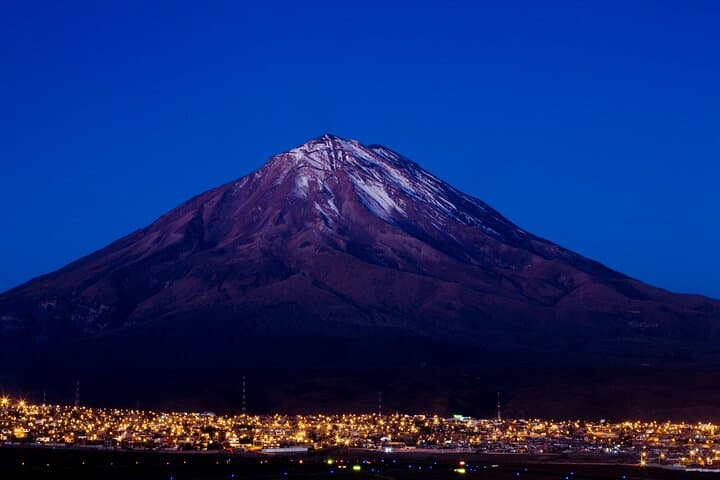
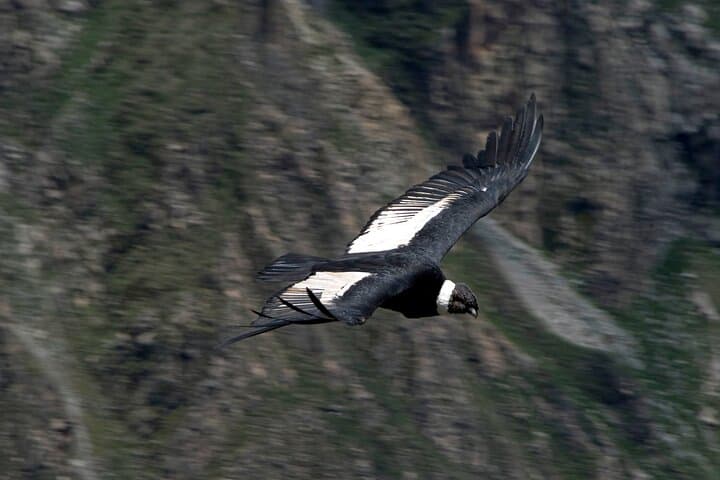
Geology shapes the trip—volcanoes (Chachani, Misti, Sabancaya) puncture the skyline, the Altiplano’s flat expanse gives way to the deep incision of Colca Canyon and the Urubamba River valley that carves the Sacred Valley. The land feels active: winds sculpt grassland, thermal pools warm mountain skin, and condors ride the canyon thermals as if escorting travelers.
Practical guidance is straightforward: give yourself at least 48–72 hours to acclimatize to 3,800–4,300 m before strenuous effort; carry layered clothing for sharp diurnal swings; keep a physical or mobile Machu Picchu ticket—changes aren’t permitted and refunds are limited; and allow extra time for train and transfer schedules between Ollantaytambo and Aguas Calientes.
This itinerary mixes easy sightseeing with moderate altitude exposure—expect long coach transfers interspersed with short walks and one full day exploring Machu Picchu. The reward is tangible: volcanic panoramas, living textile traditions, high-plains wildlife and the precise stone geometry of the Incas.
moderate.
9 days.
Moderate fitness recommended: able to handle several hours of walking at altitude and long bus transfers.
Altitude can affect anyone—symptoms range from mild headache to nausea; ascend slowly, rest, hydrate, avoid alcohol and consult a doctor about acetazolamide if you have prior issues.
Machu Picchu tickets sold for a specific date and time are usually non-changeable and non-refundable—if you must change, you’ll likely need to buy a new ticket.
Trains typically allow one small checked bag and one carry-on; large suitcases may need to stay in Cusco or be transported separately—confirm with your operator.
Tipping is customary in Peru; small amounts for guides, drivers and local porters are appreciated—carry small bills in soles.
This route links Spanish-colonial Arequipa with the Inca political and ceremonial centers around Cusco; Machu Picchu likely functioned as a royal estate and ceremonial site in the 15th century.
Machu Picchu and several highland sites limit daily visitors to reduce erosion—stay on marked paths, don’t feed wildlife, and support local guides and community-run services.
VIPAC Travel operates guided outdoor trips and adventures with an emphasis on safety, stewardship, and memorable experiences.
Morning light in Arequipa falls across white volcanic sillar, then the road climbs into high, wind-bent puna where vicuñas graze and the Andes open like pages in a field guide.
Morning light in Arequipa falls across white volcanic sillar, then the road climbs into high, wind-bent puna where vicuñas graze and the Andes open like pages in a field guide.
This nine-day route threads three eras: colonial Arequipa with its baroque churches built from volcanic stone; the living Andean cultures of Puno and Lake Titicaca where Uros reed islands and Taquile weave in Quechua and Aymara traditions; and the Inca heartland around Cusco and Machu Picchu, where terraces, stonework and ceremonial plazas reveal engineering and cosmology from the 15th century.
Geology shapes the trip—volcanoes (Chachani, Misti, Sabancaya) puncture the skyline, the Altiplano’s flat expanse gives way to the deep incision of Colca Canyon and the Urubamba River valley that carves the Sacred Valley. The land feels active: winds sculpt grassland, thermal pools warm mountain skin, and condors ride the canyon thermals as if escorting travelers.
Practical guidance is straightforward: give yourself at least 48–72 hours to acclimatize to 3,800–4,300 m before strenuous effort; carry layered clothing for sharp diurnal swings; keep a physical or mobile Machu Picchu ticket—changes aren’t permitted and refunds are limited; and allow extra time for train and transfer schedules between Ollantaytambo and Aguas Calientes.
This itinerary mixes easy sightseeing with moderate altitude exposure—expect long coach transfers interspersed with short walks and one full day exploring Machu Picchu. The reward is tangible: volcanic panoramas, living textile traditions, high-plains wildlife and the precise stone geometry of the Incas.