THE ADVENTURE COLLECTIVE® · Independent discovery and booking for outdoor travel

Traverse three of Tanzania’s iconic wild spaces on a compact nine-day safari: boat safaris on the Rufiji, walking safaris in Selous, and broad game drives in Ruaha and Mikumi. This itinerary balances in-vehicle viewing with on-foot and river experiences for varied wildlife encounters.
Traverse three of Tanzania’s iconic wild spaces on a compact nine-day safari: boat safaris on the Rufiji, walking safaris in Selous, and broad game drives in Ruaha and Mikumi. This itinerary balances in-vehicle viewing with on-foot and river experiences for varied wildlife encounters.
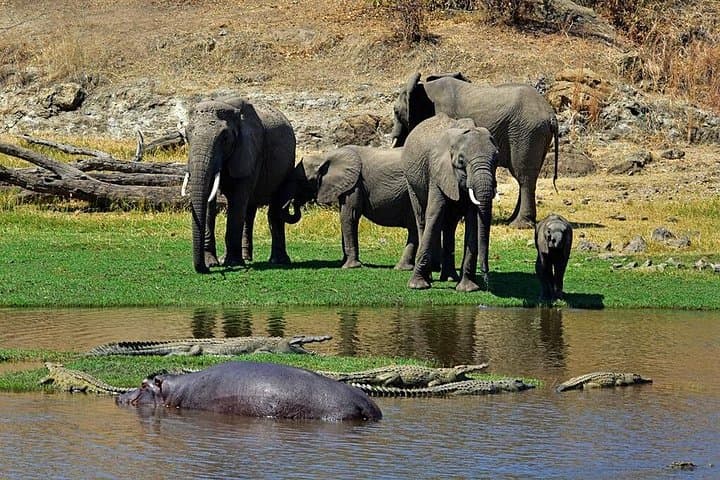
The sun lifts over the savanna as your convoy pulls away from Dar es Salaam, the city shrinking into a strip of dust and palms. By afternoon the Rufiji River unfurls like a slow-moving road, hippos huffing at the surface while a layered sky leans toward sunset. You feel the land push back and then open up — wide plains, rocky kopjes and cool highland tea terraces on this nine-day circuit through Selous (Nyerere), Ruaha and Mikumi.
Verified experiences and guided adventures in the surrounding area.
Operated by Zan Archipelago Tours & Safaris · Dar es Salaam, Dar es Salaam
The sun lifts over the savanna as your convoy pulls away from Dar es Salaam, the city shrinking into a strip of dust and palms. By afternoon the Rufiji River unfurls like a slow-moving road, hippos huffing at the surface while a layered sky leans toward sunset. You feel the land push back and then open up — wide plains, rocky kopjes and cool highland tea terraces on this nine-day circuit through Selous (Nyerere), Ruaha and Mikumi.
These parks trace East Africa’s geological story: low-lying riverine basins cut by the Rufiji, ancient metamorphic highlands at Mufindi, and the red-brown granitic outcrops of Ruaha where the soil tells of deep time. Human history sits beside it — pastoral and farming communities that have lived with seasonal wildlife corridors for generations.
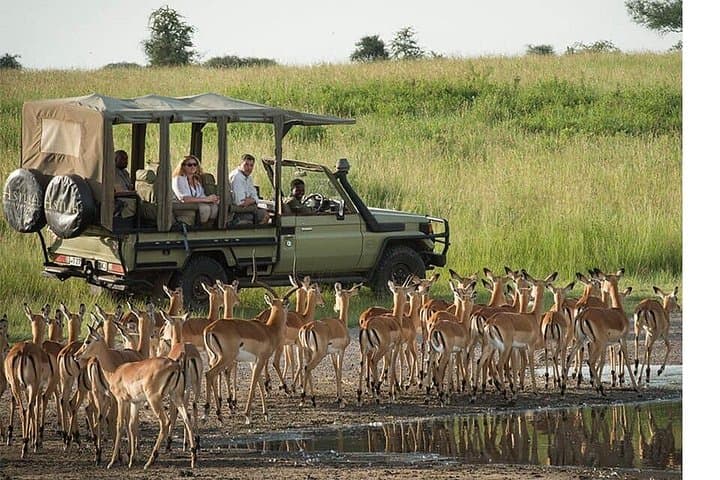
Expect morning and afternoon game drives in modified 4x4s with photographic roof hatches, a guided walking safari with an armed ranger, and a slow boat trip threading between hippos and crocodiles. Drives can run several hours; one transfer crosses seven hours of remote road. Wildlife viewing is best in the dry months when animals concentrate around water.
Practical edge: carry a daylight pack with water, sun protection and insect repellant; soft luggage is easier for light aircraft segments and long transfers. Plan for early wake-ups and dusty drives — a good pair of walking shoes and binoculars make a big difference. Respect park rules, follow guides’ instructions on walking safaris, and leave no trace: the region depends on sustainable tourism to safeguard its wild spaces.
moderate.
9 days.
Suitable for travelers in reasonable health; expects long vehicle days, short guided walks, and early starts.
Vaccinations (e.g., yellow fever for some travelers) and malaria prophylaxis are commonly recommended; consult a travel clinic for up-to-date advice before travel.
Expect several long transfers, including one transfer up to about seven hours; drives are on remote roads and can be dusty or slow in wet conditions.
Yes—walking safaris are guided by experienced guides and an armed ranger; basic mobility and the ability to follow instructions are sufficient.
Frequent sightings include elephants, buffalo, hippos and a range of predators and birds; Ruaha is known for large elephant herds and healthy predator populations.
Ruaha expanded in 2008 with the addition of surrounding reserves, becoming one of Tanzania’s largest protected areas and shifting regional conservation priorities.
These parks face pressure from poaching and habitat loss; choosing lodges and operators that support local communities helps fund anti-poaching and corridor protection.
Zan Archipelago Tours & Safaris operates guided outdoor trips and adventures with an emphasis on safety, stewardship, and memorable experiences.
The sun lifts over the savanna as your convoy pulls away from Dar es Salaam, the city shrinking into a strip of dust and palms. By afternoon the Rufiji River unfurls like a slow-moving road, hippos huffing at the surface while a layered sky leans toward sunset. You feel the land push back and then open up — wide plains, rocky kopjes and cool highland tea terraces on this nine-day circuit through Selous (Nyerere), Ruaha and Mikumi.
The sun lifts over the savanna as your convoy pulls away from Dar es Salaam, the city shrinking into a strip of dust and palms. By afternoon the Rufiji River unfurls like a slow-moving road, hippos huffing at the surface while a layered sky leans toward sunset. You feel the land push back and then open up — wide plains, rocky kopjes and cool highland tea terraces on this nine-day circuit through Selous (Nyerere), Ruaha and Mikumi.
These parks trace East Africa’s geological story: low-lying riverine basins cut by the Rufiji, ancient metamorphic highlands at Mufindi, and the red-brown granitic outcrops of Ruaha where the soil tells of deep time. Human history sits beside it — pastoral and farming communities that have lived with seasonal wildlife corridors for generations.
Expect morning and afternoon game drives in modified 4x4s with photographic roof hatches, a guided walking safari with an armed ranger, and a slow boat trip threading between hippos and crocodiles. Drives can run several hours; one transfer crosses seven hours of remote road. Wildlife viewing is best in the dry months when animals concentrate around water.
Practical edge: carry a daylight pack with water, sun protection and insect repellant; soft luggage is easier for light aircraft segments and long transfers. Plan for early wake-ups and dusty drives — a good pair of walking shoes and binoculars make a big difference. Respect park rules, follow guides’ instructions on walking safaris, and leave no trace: the region depends on sustainable tourism to safeguard its wild spaces.