THE ADVENTURE COLLECTIVE® · Independent discovery and booking for outdoor travel

A private nine-day loop from Tangier that stitches together Morocco’s highlights—Chefchaouen’s blue lanes, the Roman ruins of Volubilis, a camel overnight in the Erg Chebbi dunes, and the High Atlas crossing to Marrakech. Expect long drives, big landscapes, and hands-on cultural stops.
A private nine-day loop from Tangier that stitches together Morocco’s highlights—Chefchaouen’s blue lanes, the Roman ruins of Volubilis, a camel overnight in the Erg Chebbi dunes, and the High Atlas crossing to Marrakech. Expect long drives, big landscapes, and hands-on cultural stops.
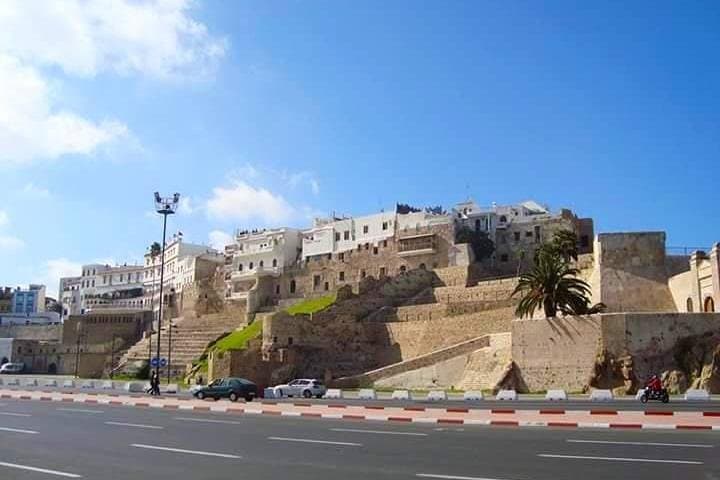
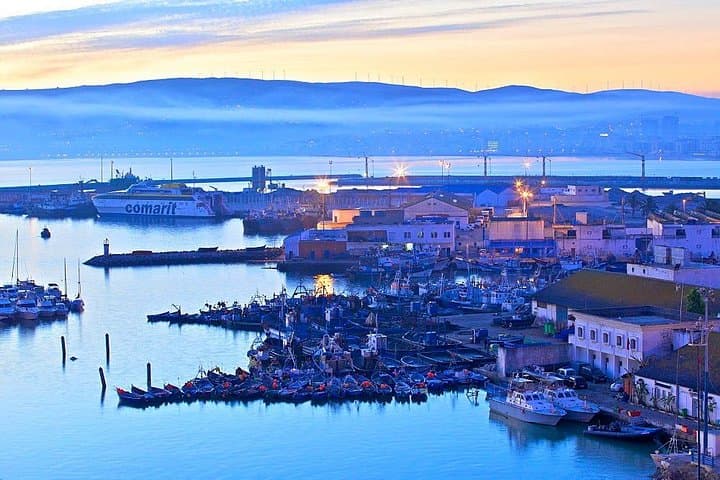
You step out in Tangier with Atlantic salt on the air and a driver ready to roll east—this is travel that presses you into Morocco’s contrasts: blue-tinged alleys, Roman ruins, cedar forests, and the Sahara’s slow, ribbed dunes.
Verified experiences and guided adventures in the surrounding area.
Operated by Gboo Morocco Tours · Tangier, Tanger-Tetouan-Al Hoceima
You step out in Tangier with Atlantic salt on the air and a driver ready to roll east—this is travel that presses you into Morocco’s contrasts: blue-tinged alleys, Roman ruins, cedar forests, and the Sahara’s slow, ribbed dunes.
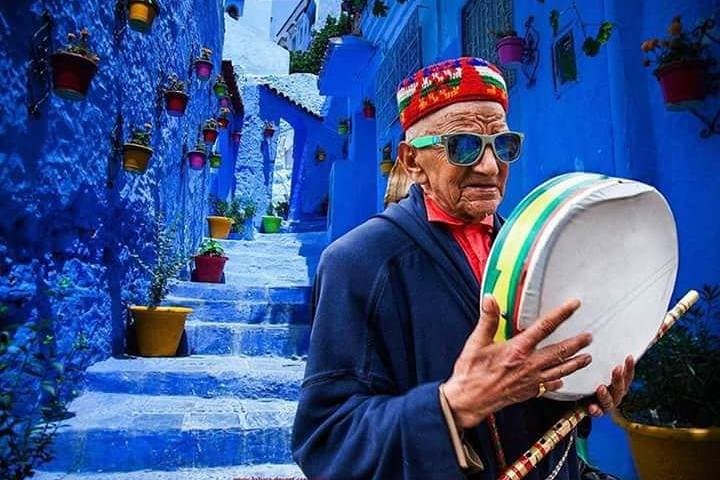
The route moves fast but thoughtfully: Chefchaouen’s cobalt lanes give way to the mosaic of Volubilis and the imperial rhythms of Meknes and Fes. Geology takes over past Ifrane—red earth and the Ziz Valley carve a route toward Merzouga, where Erg Chebbi’s dunes rise like a warm tide and a camel caravan traces a human heartbeat across wind-shaped sand. Crossing the High Atlas via Tizi n’Tichka (around 2,260 m) opens broad views and the kasbah of Ait Ben Haddou—stone houses stacked against the climb—before you drop into Marrakech’s ochre medina.
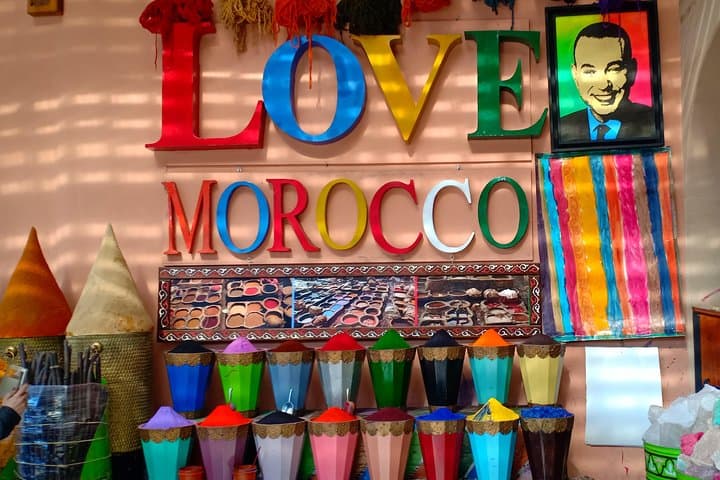
Along the way you’ll encounter centuries: Roman mosaics at Volubilis, fortified ksars, and living crafts in Fes’ tanneries. Culture here is tactile—spices that sting the air, storytellers in souks, and guides who map histories into narrow streets.
Practical edge: expect long driving days (the loop covers roughly 1,800–2,200 km total), variable temperatures from near sea level to high passes, and one-night desert camping with basic facilities. Bring layered clothing for cold desert nights, sun protection for daytime crossings, and a reusable water bottle—hydration is non-negotiable. Travel pace is private and flexible, but plan early starts for mountain passes and midafternoon arrivals in towns to avoid the heat. With moderate fitness and a readiness for long transfers, this is a compact, immersive primer on Morocco’s diverse landscapes.
moderate.
9 days.
Moderate endurance for long driving days and short hikes; comfortable walking ability for medina tours and dune climbs.
Expect several long transfers—some days exceed 4–6 hours of driving; the itinerary balances driving with key stops and overnight stays.
Large suitcases are discouraged for camel transfers; most operators store big bags in the vehicle and ask for a small overnight pack for the camp.
Spring (Mar–May) and fall (Sep–Nov) offer the most moderate temperatures; summer can be very hot in the south and winter may bring snow at high passes.
The tour includes local city guides in Marrakech and private transportation; verify specific museum or site fees with the operator before booking.
This route threads imperial cities (Meknes, Fes) and Roman Volubilis, reflecting centuries of trade and governance across Morocco’s north-to-south corridors.
Water is scarce across southern Morocco; minimize waste, stick to established tracks in dunes to avoid destabilizing sand, and support local guides who practice low-impact camping.
Gboo Morocco Tours operates guided outdoor trips and adventures with an emphasis on safety, stewardship, and memorable experiences.
You step out in Tangier with Atlantic salt on the air and a driver ready to roll east—this is travel that presses you into Morocco’s contrasts: blue-tinged alleys, Roman ruins, cedar forests, and the Sahara’s slow, ribbed dunes.
You step out in Tangier with Atlantic salt on the air and a driver ready to roll east—this is travel that presses you into Morocco’s contrasts: blue-tinged alleys, Roman ruins, cedar forests, and the Sahara’s slow, ribbed dunes.
The route moves fast but thoughtfully: Chefchaouen’s cobalt lanes give way to the mosaic of Volubilis and the imperial rhythms of Meknes and Fes. Geology takes over past Ifrane—red earth and the Ziz Valley carve a route toward Merzouga, where Erg Chebbi’s dunes rise like a warm tide and a camel caravan traces a human heartbeat across wind-shaped sand. Crossing the High Atlas via Tizi n’Tichka (around 2,260 m) opens broad views and the kasbah of Ait Ben Haddou—stone houses stacked against the climb—before you drop into Marrakech’s ochre medina.
Along the way you’ll encounter centuries: Roman mosaics at Volubilis, fortified ksars, and living crafts in Fes’ tanneries. Culture here is tactile—spices that sting the air, storytellers in souks, and guides who map histories into narrow streets.
Practical edge: expect long driving days (the loop covers roughly 1,800–2,200 km total), variable temperatures from near sea level to high passes, and one-night desert camping with basic facilities. Bring layered clothing for cold desert nights, sun protection for daytime crossings, and a reusable water bottle—hydration is non-negotiable. Travel pace is private and flexible, but plan early starts for mountain passes and midafternoon arrivals in towns to avoid the heat. With moderate fitness and a readiness for long transfers, this is a compact, immersive primer on Morocco’s diverse landscapes.