THE ADVENTURE COLLECTIVE® · Independent discovery and booking for outdoor travel

Travel from Ulaanbaatar across Mongolian steppe to the likely birthplace of Genghis Khan, pine-ringed lakes, and the sculpted rocks of Terelj. This 9‑day private tour mixes cultural encounters with accessible horse treks and ger-camp nights.
Travel from Ulaanbaatar across Mongolian steppe to the likely birthplace of Genghis Khan, pine-ringed lakes, and the sculpted rocks of Terelj. This 9‑day private tour mixes cultural encounters with accessible horse treks and ger-camp nights.
The road out of Ulaanbaatar opens onto an ocean of grass that seems to push at the vehicle’s windows—wind pulling at your jacket, horses flicking their tails like punctuation marks on the horizon.
Verified experiences and guided adventures in the surrounding area.
Operated by Travel China Guide · Ulaanbaatar, Ulaanbaatar
The road out of Ulaanbaatar opens onto an ocean of grass that seems to push at the vehicle’s windows—wind pulling at your jacket, horses flicking their tails like punctuation marks on the horizon.
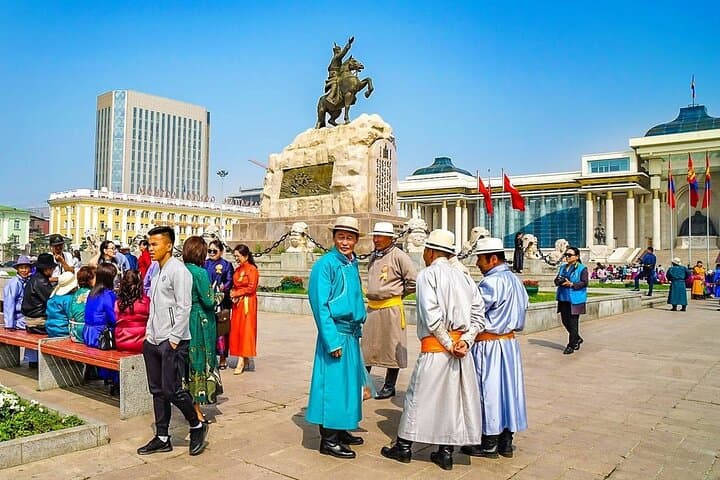
Over nine days you move between city monuments and wide, living landscapes: the 40‑meter equestrian statue east of Ulaanbaatar, the rounded hills of Deluun Boldog where Genghis Khan is said to have been born, blue lakes ringed by pine, and the sculpted rock forms of Terelj National Park. Geology here is plainspoken—rolling steppe, granite outcrops carved by ice and wind, narrow river valleys that have guided people and herds for centuries.
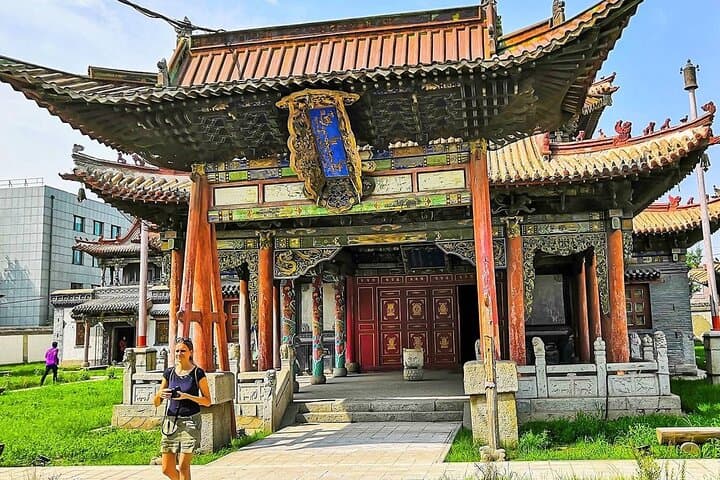
Culture threads through each stop. You’ll stay in ger camps, meet herders who still move with the seasons, and watch rituals at Baldan Bereeven monastery. The trip places historical sites—deer stones, Palaeolithic carvings, and ancestral walls—next to living nomadic practice, so the past feels less like museum glass and more like a set of instructions still in use.
Practically: expect long drives between villages, basic but comfortable ger accommodation, and short horse treks suited to beginners. Temperatures swing dramatically between day and night, so layers are crucial. Carry cash for remote purchases, ask before photographing people and their homes, and plan for uneven terrain on foot. Hydrate at every stop—steppe air is dry and stretches farther than it looks.
This is a travel rhythm of motion and conversation: historical sites for context, natural features that dare you to move across them, and quiet evenings where the wind writes the day’s final line.
moderate.
9 days.
Suitable for travelers in average fitness who can handle long vehicle transfers, short horse treks, and brief hikes.
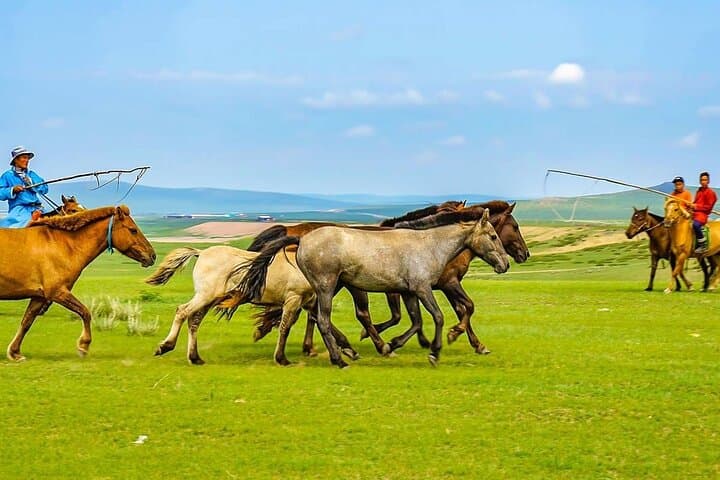
No—horse treks in Terelj are generally designed for beginners; guides offer basic instruction and lead options for novices.
Yes—daily breakfasts, lunches, and dinners are included as stated, often in ger camps or local restaurants.
Gers are basic but comfortable, typically with beds, shared or private facilities depending on the camp, and locally prepared meals.
The itinerary is family-friendly but involves unpaved roads and some uneven terrain; travelers with mobility limits should consult the operator in advance.
The itinerary follows routes tied to Mongol imperial history—Deluun Boldog and Blue Lake are linked in local tradition to Temüjin’s early life and rise to become Genghis Khan.
Many sites sit in fragile steppe and forest ecosystems; visitors should stick to established paths, avoid disturbing herds, and minimize waste to protect grazing lands and wetlands.
Travel China Guide operates guided outdoor trips and adventures with an emphasis on safety, stewardship, and memorable experiences.
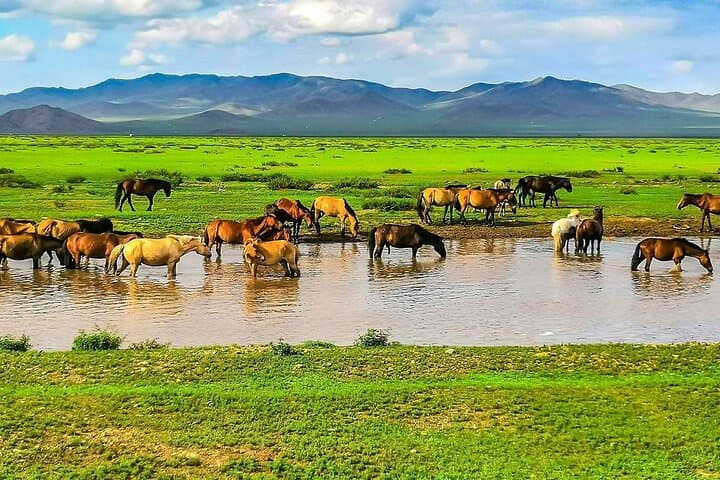
The road out of Ulaanbaatar opens onto an ocean of grass that seems to push at the vehicle’s windows—wind pulling at your jacket, horses flicking their tails like punctuation marks on the horizon.
The road out of Ulaanbaatar opens onto an ocean of grass that seems to push at the vehicle’s windows—wind pulling at your jacket, horses flicking their tails like punctuation marks on the horizon.
Over nine days you move between city monuments and wide, living landscapes: the 40‑meter equestrian statue east of Ulaanbaatar, the rounded hills of Deluun Boldog where Genghis Khan is said to have been born, blue lakes ringed by pine, and the sculpted rock forms of Terelj National Park. Geology here is plainspoken—rolling steppe, granite outcrops carved by ice and wind, narrow river valleys that have guided people and herds for centuries.
Culture threads through each stop. You’ll stay in ger camps, meet herders who still move with the seasons, and watch rituals at Baldan Bereeven monastery. The trip places historical sites—deer stones, Palaeolithic carvings, and ancestral walls—next to living nomadic practice, so the past feels less like museum glass and more like a set of instructions still in use.
Practically: expect long drives between villages, basic but comfortable ger accommodation, and short horse treks suited to beginners. Temperatures swing dramatically between day and night, so layers are crucial. Carry cash for remote purchases, ask before photographing people and their homes, and plan for uneven terrain on foot. Hydrate at every stop—steppe air is dry and stretches farther than it looks.
This is a travel rhythm of motion and conversation: historical sites for context, natural features that dare you to move across them, and quiet evenings where the wind writes the day’s final line.