THE ADVENTURE COLLECTIVE® · Independent discovery and booking for outdoor travel

Nine days across Jordan compress millennia into moments: Roman theatres and Nabataean façades, Bedouin deserts and the buoyant Dead Sea. This private, customizable tour routes you through the country’s most iconic landscapes with local drivers, flexible pacing, and optional extras like balloon flights and camel rides.
Nine days across Jordan compress millennia into moments: Roman theatres and Nabataean façades, Bedouin deserts and the buoyant Dead Sea. This private, customizable tour routes you through the country’s most iconic landscapes with local drivers, flexible pacing, and optional extras like balloon flights and camel rides.
You arrive in Amman just after dusk. The city hums with neon and the smell of cardamom coffee, but the itinerary ahead promises a different kind of drama: rust-red canyons, Roman colonnades, and a sea that refuses to sink you. Over nine days you move from the capital’s layered past to the lunar plains of Wadi Rum and down to the Dead Sea’s buoyant stillness, each landscape insisting you slow down and listen.
Verified experiences and guided adventures in the surrounding area.
Operated by VIP Jordan Limo · Amman, Amman Governorate
You arrive in Amman just after dusk. The city hums with neon and the smell of cardamom coffee, but the itinerary ahead promises a different kind of drama: rust-red canyons, Roman colonnades, and a sea that refuses to sink you. Over nine days you move from the capital’s layered past to the lunar plains of Wadi Rum and down to the Dead Sea’s buoyant stillness, each landscape insisting you slow down and listen.
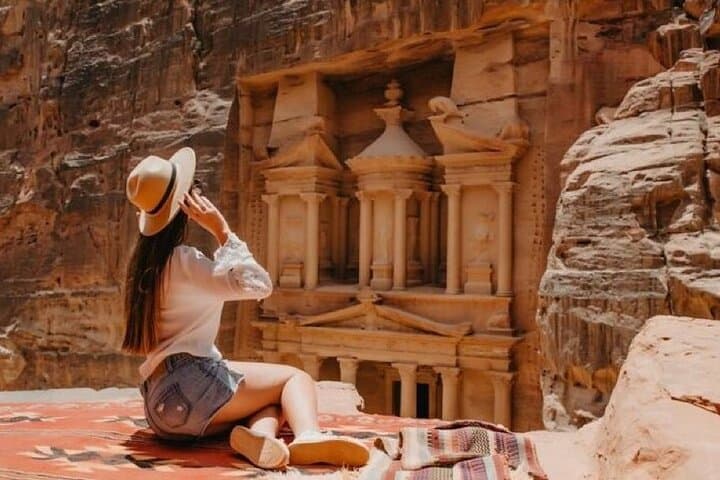
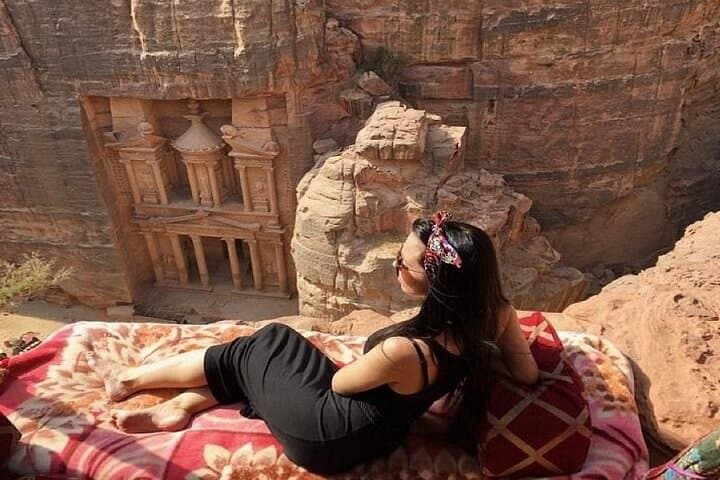
The slate of sites reads like a condensed history of the Levant. In Amman, the Citadel perches above the modern grid with Roman columns and Byzantine mosaics that mark centuries of occupation. North at Jerash, broad colonnades and an oval forum reveal the scale of provincial Roman life. South, Madaba preserves a Byzantine mosaic map—the earliest cartographic glimpse of the Holy Land—while Mount Nebo holds the biblical vantage point where Moses is said to have glimpsed the valley below. Petra, carved by the Nabataeans more than two millennia ago, opens after a 1.2 km walk through the Siq; its rose-hued façades are both architectural feat and geological archive, the sandstone layers streaked by wind and water over eons.
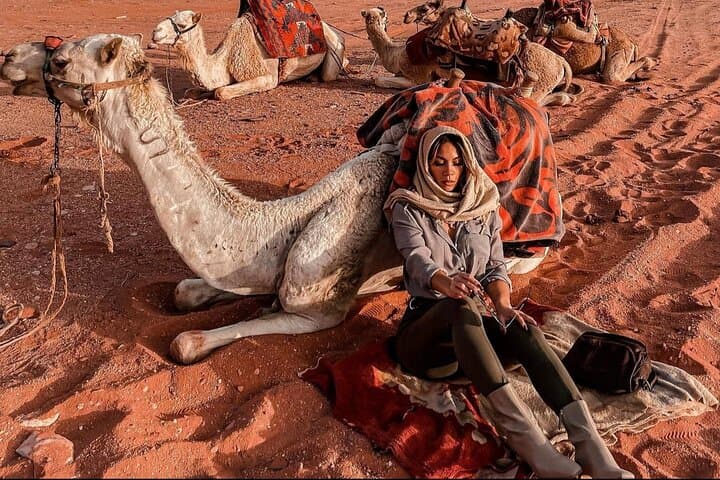
Wadi Rum’s sandstone and granite towers are authored by wind: cliffs rub shoulders with dunes that shift with each sunset. The desert feels like a living exhibit—rock faces that have been smoothed and scored become readable scripts for Bedouin guides who still read them daily. And at the Dead Sea, the earth tilts so dramatically that you find yourself floating above -430 meters, the planet’s lowest dry-land point, as mineral-rich water lifts and stings the skin in equal measure.
Practicalities shape the joy here. The itinerary is private and fully customizable—expect comfortable, air-conditioned transfers and a driver-guide fluent in English. Jordan Pass is required for most archaeological sites; secure it before arrival to save time and entry fees. Plan to walk; Petra alone requires several miles if you want the Monastery and viewpoints. Temperatures swing: summer heat can be intense, winter nights can be unexpectedly cold, and even spring carries sudden gusts of desert wind.
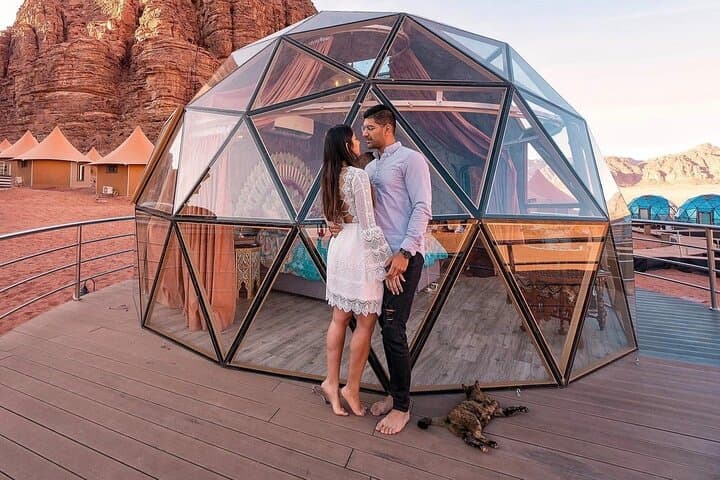
Prepare like you mean to explore: sturdy shoes, sun protection, and a refillable water bottle will determine how much of Petra and Wadi Rum you’ll actually enjoy. Time the Siq for early morning light (and fewer tour groups) and reserve an evening at a Wadi Rum camp to watch the desert move through color and shadow. This tour is less a checklist than a paced passage through Jordan’s geological and cultural layers—designed so the landscapes do the talking and you have time to listen.
moderate.
9 days.
You should be comfortable walking several miles daily, including uneven trails and steps; basic stamina for multi-hour site visits is sufficient.
Yes—buying the Jordan Pass before travel covers most entrance fees (including Petra) and can save time and money.
Yes; the tour is private and can be paced for families and older travelers, though Petra and some sites require substantial walking.
Jordanian dinar (JOD) is the national currency; credit cards are widely accepted in cities and hotels but carry cash for smaller towns and markets.
Expect several miles across uneven paths at Petra if you visit the Treasury and Monastery; Jerash involves long paved colonnades but moderate walking overall.
No—these are available at additional cost and can be arranged through your guide or in advance.
Tipping for guides, drivers, and service staff is customary; plan modest daily tips to acknowledge good service.
This route threads Roman provincial centers, Nabataean engineering in Petra, and Umayyad desert castles—Jordan’s sites reflect a crossroads of empires and trade.
Sites like Petra and Wadi Rum face erosion and visitor pressure; stick to marked paths, avoid removing stones or artifacts, and support local guides who practice low-impact tourism.
VIP Jordan Limo operates guided outdoor trips and adventures with an emphasis on safety, stewardship, and memorable experiences.
You arrive in Amman just after dusk. The city hums with neon and the smell of cardamom coffee, but the itinerary ahead promises a different kind of drama: rust-red canyons, Roman colonnades, and a sea that refuses to sink you. Over nine days you move from the capital’s layered past to the lunar plains of Wadi Rum and down to the Dead Sea’s buoyant stillness, each landscape insisting you slow down and listen.
You arrive in Amman just after dusk. The city hums with neon and the smell of cardamom coffee, but the itinerary ahead promises a different kind of drama: rust-red canyons, Roman colonnades, and a sea that refuses to sink you. Over nine days you move from the capital’s layered past to the lunar plains of Wadi Rum and down to the Dead Sea’s buoyant stillness, each landscape insisting you slow down and listen.
The slate of sites reads like a condensed history of the Levant. In Amman, the Citadel perches above the modern grid with Roman columns and Byzantine mosaics that mark centuries of occupation. North at Jerash, broad colonnades and an oval forum reveal the scale of provincial Roman life. South, Madaba preserves a Byzantine mosaic map—the earliest cartographic glimpse of the Holy Land—while Mount Nebo holds the biblical vantage point where Moses is said to have glimpsed the valley below. Petra, carved by the Nabataeans more than two millennia ago, opens after a 1.2 km walk through the Siq; its rose-hued façades are both architectural feat and geological archive, the sandstone layers streaked by wind and water over eons.
Wadi Rum’s sandstone and granite towers are authored by wind: cliffs rub shoulders with dunes that shift with each sunset. The desert feels like a living exhibit—rock faces that have been smoothed and scored become readable scripts for Bedouin guides who still read them daily. And at the Dead Sea, the earth tilts so dramatically that you find yourself floating above -430 meters, the planet’s lowest dry-land point, as mineral-rich water lifts and stings the skin in equal measure.
Practicalities shape the joy here. The itinerary is private and fully customizable—expect comfortable, air-conditioned transfers and a driver-guide fluent in English. Jordan Pass is required for most archaeological sites; secure it before arrival to save time and entry fees. Plan to walk; Petra alone requires several miles if you want the Monastery and viewpoints. Temperatures swing: summer heat can be intense, winter nights can be unexpectedly cold, and even spring carries sudden gusts of desert wind.
Prepare like you mean to explore: sturdy shoes, sun protection, and a refillable water bottle will determine how much of Petra and Wadi Rum you’ll actually enjoy. Time the Siq for early morning light (and fewer tour groups) and reserve an evening at a Wadi Rum camp to watch the desert move through color and shadow. This tour is less a checklist than a paced passage through Jordan’s geological and cultural layers—designed so the landscapes do the talking and you have time to listen.