
9-Day Panoramic Mt Everest View Trek: Namche Bazaar, Tengboche & Sherpa Culture
A nine-day trek from Kathmandu to Lukla and Namche Bazaar that delivers classic Everest viewpoints, Sherpa villages, and high-mountain forest trails. Expect steep climbs, tea-house nights, and a dedicated acclimatization day at Namche.
An Adventure In Kathmandu.
A nine-day trek from Kathmandu to Lukla and Namche Bazaar that delivers classic Everest viewpoints, Sherpa villages, and high-mountain forest trails. Expect steep climbs, tea-house nights, and a dedicated acclimatization day at Namche.
Read the full experience
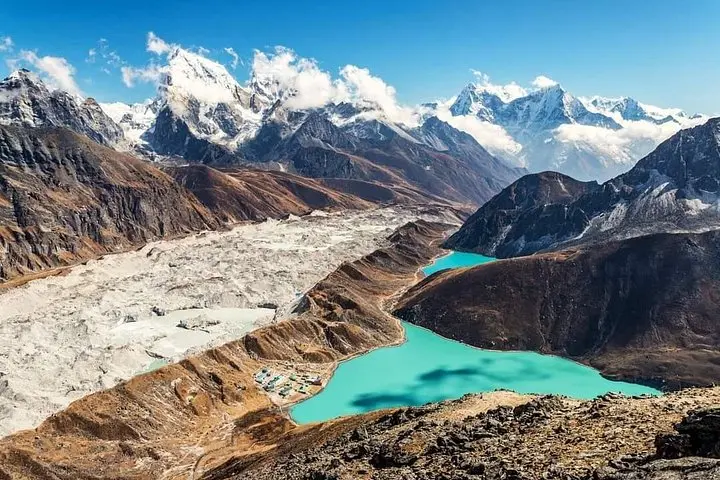
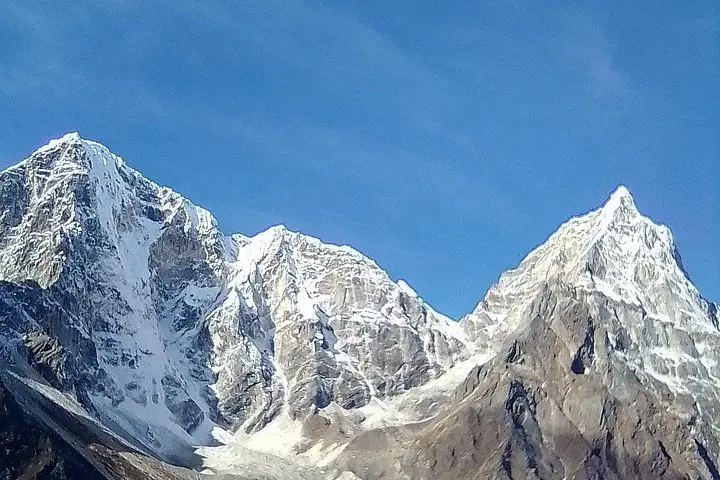
The trail opens with the rattle of a long jeep ride out of Kathmandu, the Kathmandu Valley shrinking behind the vehicle as terraced hills and rhododendron forests roll into view. By the second day the Dudh Koshi River begins to call—its braided channels tugging at each suspension bridge—leading walkers into the high villages where prayer flags snap like small windsongs. Peaks push through the skyline: Ama Dablam’s serrated ridge, Nuptse’s broad flank, and Everest rising, distant and uncompromising.
The trail opens with the rattle of a long jeep ride out of Kathmandu, the Kathmandu Valley shrinking behind the vehicle as terraced hills and rhododendron forests roll into view. By the second day the Dudh Koshi River begins to call—its braided channels tugging at each suspension bridge—leading walkers into the high villages where prayer flags snap like small windsongs. Peaks push through the skyline: Ama Dablam’s serrated ridge, Nuptse’s broad flank, and Everest rising, distant and uncompromising.
This route threads Sherpa settlements and Buddhist monasteries inside Sagarmatha National Park, a UNESCO site since 1979. Geologically, the landscape is young: steep, folded Himalayan thrusts carved by glacial action and ongoing uplift. Local culture is visible on stone terraces, mani walls, and in the daily cadence of tea houses where yak butter tea is a ritual and altitude awareness shapes conversation.
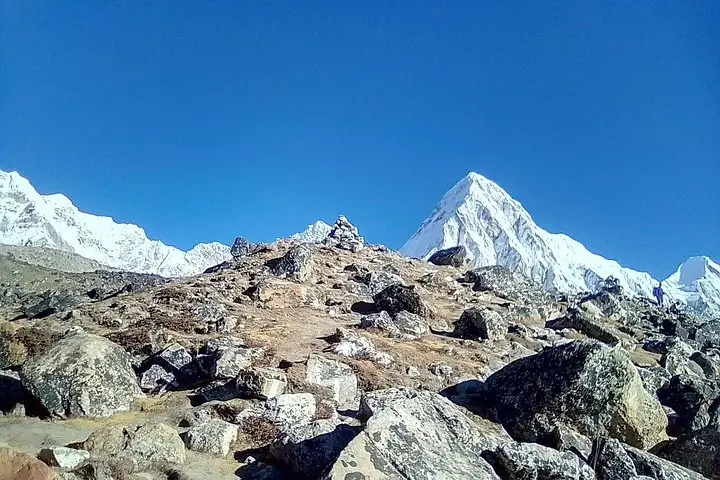
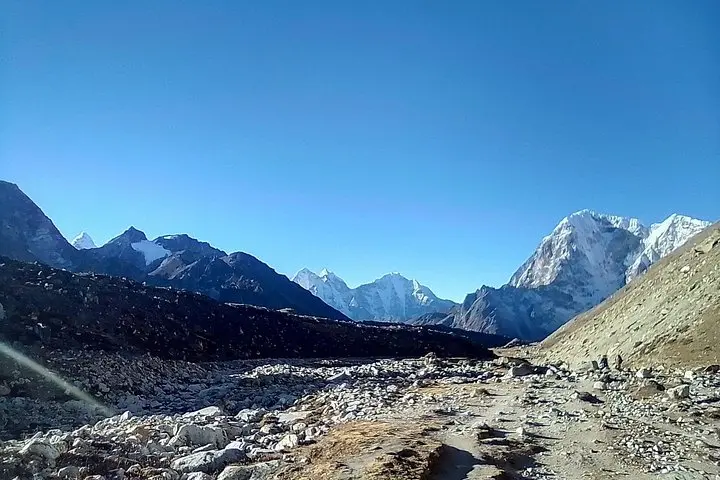
Practical guidance is straightforward: the itinerary spans roughly 9 days with one full acclimatization day at Namche Bazaar. Expect steep stair-like ascents, rocky trails, and variable weather—sun can change to sleet within an hour. Hydrate, pace your elevation gain (follow the planned acclimatization day), and carry layers; mornings are crisp, afternoons can be warm below 3,000m, and nights are cold. Cash is essential for teahouses beyond Lukla; toilets and hot showers may incur a small fee.
A high level of fitness is required but technical climbing skills are not. Timing your trek in spring or autumn yields the clearest views; winter is cold and summer monsoon brings frequent clouds. Respect local customs and stick to the trail to reduce impact—this route rewards steady feet and patient eyes with some of the Himalaya’s most memorable panoramas.
Frequently asked questions
Spring (March–May) and autumn (September–November) offer the clearest mountain views and the most stable weather.
Yes—trekking permits and a TIMS card are required and normally handled by the tour operator before departure.
The route is non-technical but physically demanding; beginners need good fitness and should follow acclimatization recommendations.
Bring enough Nepali rupees for tea-house meals, tips, and incidentals—ATMs are limited beyond Lukla.
About This Experience
Couch Adventure Nepal (CAN) operates guided outdoor trips and adventures with an emphasis on safety, stewardship, and memorable experiences.
Adventure tips
Recommended gear
- Sturdy hiking boots: Support and protection on rocky, wet, and uneven trail surfaces.
- Insulated down jacket: Nights and high-altitude mornings get very cold—pack lightweight but warm insulation.
- Trekking poles: Help reduce impact on knees during long descents and improve balance on stream crossings.
- Water purification or filter: Clean drinking water reduces need to buy bottled water and limits plastic waste.
Photos of the experience
Related adventures & guides
Read the full experience
The trail opens with the rattle of a long jeep ride out of Kathmandu, the Kathmandu Valley shrinking behind the vehicle as terraced hills and rhododendron forests roll into view. By the second day the Dudh Koshi River begins to call—its braided channels tugging at each suspension bridge—leading walkers into the high villages where prayer flags snap like small windsongs. Peaks push through the skyline: Ama Dablam’s serrated ridge, Nuptse’s broad flank, and Everest rising, distant and uncompromising.
The trail opens with the rattle of a long jeep ride out of Kathmandu, the Kathmandu Valley shrinking behind the vehicle as terraced hills and rhododendron forests roll into view. By the second day the Dudh Koshi River begins to call—its braided channels tugging at each suspension bridge—leading walkers into the high villages where prayer flags snap like small windsongs. Peaks push through the skyline: Ama Dablam’s serrated ridge, Nuptse’s broad flank, and Everest rising, distant and uncompromising.
This route threads Sherpa settlements and Buddhist monasteries inside Sagarmatha National Park, a UNESCO site since 1979. Geologically, the landscape is young: steep, folded Himalayan thrusts carved by glacial action and ongoing uplift. Local culture is visible on stone terraces, mani walls, and in the daily cadence of tea houses where yak butter tea is a ritual and altitude awareness shapes conversation.
Practical guidance is straightforward: the itinerary spans roughly 9 days with one full acclimatization day at Namche Bazaar. Expect steep stair-like ascents, rocky trails, and variable weather—sun can change to sleet within an hour. Hydrate, pace your elevation gain (follow the planned acclimatization day), and carry layers; mornings are crisp, afternoons can be warm below 3,000m, and nights are cold. Cash is essential for teahouses beyond Lukla; toilets and hot showers may incur a small fee.
A high level of fitness is required but technical climbing skills are not. Timing your trek in spring or autumn yields the clearest views; winter is cold and summer monsoon brings frequent clouds. Respect local customs and stick to the trail to reduce impact—this route rewards steady feet and patient eyes with some of the Himalaya’s most memorable panoramas.
Make a day of it nearby.
Verified experiences and guided adventures in the surrounding area.