THE ADVENTURE COLLECTIVE® · Independent discovery and booking for outdoor travel

Move from Hanoi’s lively streets to Ha Long’s sculpted seascape and the temple forests of Angkor on a compact nine-day itinerary. Expect karst scenery, heritage sites, boat rides and a mix of easy walks with one short forest hike.
Move from Hanoi’s lively streets to Ha Long’s sculpted seascape and the temple forests of Angkor on a compact nine-day itinerary. Expect karst scenery, heritage sites, boat rides and a mix of easy walks with one short forest hike.
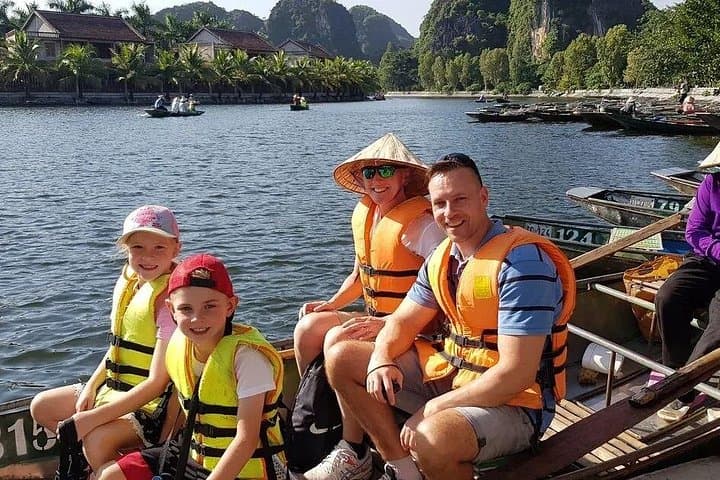
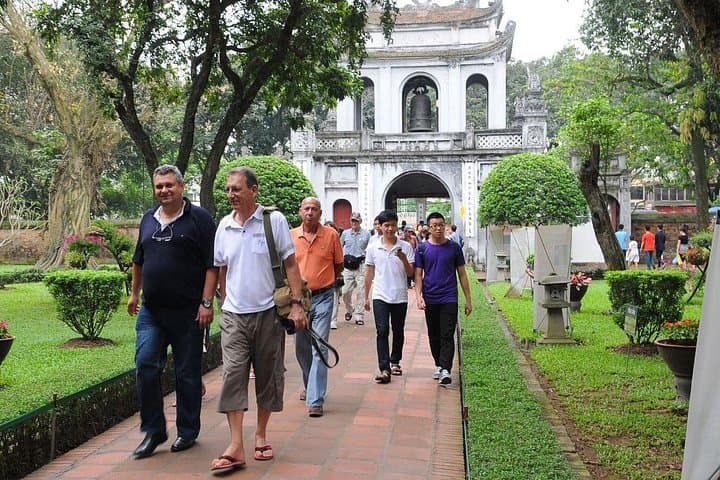
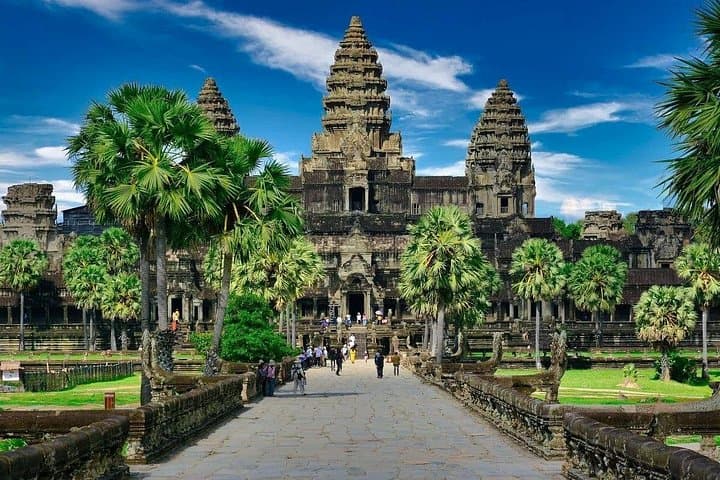
The tour begins in the clatter of Hanoi’s streets — motorbikes threading dawn light as guides meet newcomers and load luggage into air-conditioned vans. From the city’s colonial boulevards you’ll move into a different rhythm: limestone karsts of Ha Long Bay puncture the sea, Tam Coc’s cliffs rise from rice paddies, and later Angkor’s stone faces watch over a slow, green jungle.
Verified experiences and guided adventures in the surrounding area.
Operated by Asia King Travel · Hanoi, Hanoi
The tour begins in the clatter of Hanoi’s streets — motorbikes threading dawn light as guides meet newcomers and load luggage into air-conditioned vans. From the city’s colonial boulevards you’ll move into a different rhythm: limestone karsts of Ha Long Bay puncture the sea, Tam Coc’s cliffs rise from rice paddies, and later Angkor’s stone faces watch over a slow, green jungle.
Geology shapes the trip. Ha Long’s karst towers were sculpted by millions of years of limestone dissolution; Ninh Binh is often called “Halong Bay on land” for the same vertical karst rising through rice fields. In Cambodia, the Angkor complex records the Khmer Empire’s hydraulic genius — vast reservoirs like West Baray supported cities that once fed thousands.
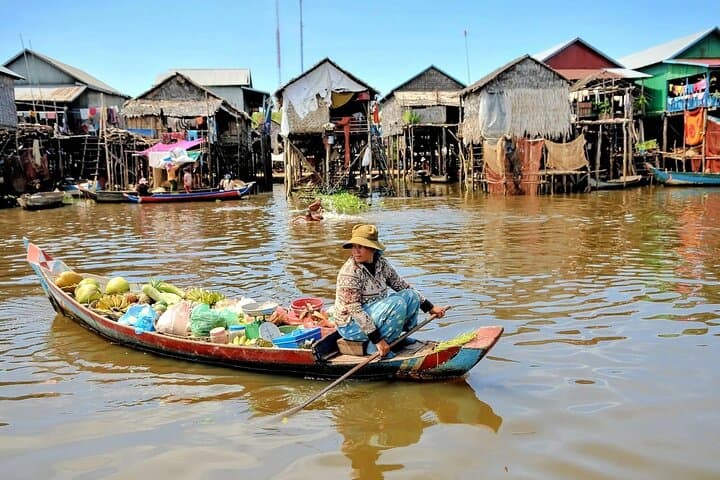
Culture threads through each stop: Hanoi’s water puppetry, Hoa Lu’s ancient temples, Khmer bas-reliefs at Angkor, and the floating communities of Kampong Phluk where livelihoods rise and fall with Tonle Sap’s tide. Guides contextualize rituals, local diets and respectful temple behavior.
Practical guidance: expect short walks, one 3 km forest hike at Kbal Spean and several boat transfers; bring good, grippy shoes for wet trails, lightweight rain protection, and a sun hat. Keep cash in local currency for small markets and temple donations; carry bottled water and insect repellent for lakeside evenings. Travel days include early starts and a domestic flight to Siem Reap; rest when you can.
This itinerary suits travelers who want layered experiences — natural scenery, heritage sites and small-community encounters — delivered with daily logistics handled so you can focus on the views and the stories behind them.
easy.
9 days.
Suitable for most travelers; light daily walking with one 3 km forest hike and several short boat transfers
Most nationalities require visas for Vietnam and Cambodia—check embassy sites for current rules and obtain e-visas or visas on arrival where applicable before travel.
The tour is rated easy: most days involve light walking and guided sightseeing, with one moderate 3 km hike at Kbal Spean that includes uneven terrain.
Bring Vietnamese dong for Vietnam and U.S. dollars for Cambodia; ATMs are available in cities but smaller vendors and boat drivers often prefer cash.
Overnight cruises use shared double/twin cabins with basic amenities; expect modest cabins, communal dining and variable boat standards—check the boat’s details if you prefer more luxury.
The route links Vietnam’s imperial and colonial eras with Khmer Angkorian history; Angkor Wat was the spiritual and political center of the Khmer Empire (9th–15th centuries).
Ha Long Bay and Angkor face pressures from tourism and development; stick to marked paths, avoid single-use plastics and support locally operated services to reduce impact.
Asia King Travel operates guided outdoor trips and adventures with an emphasis on safety, stewardship, and memorable experiences.
The tour begins in the clatter of Hanoi’s streets — motorbikes threading dawn light as guides meet newcomers and load luggage into air-conditioned vans. From the city’s colonial boulevards you’ll move into a different rhythm: limestone karsts of Ha Long Bay puncture the sea, Tam Coc’s cliffs rise from rice paddies, and later Angkor’s stone faces watch over a slow, green jungle.
The tour begins in the clatter of Hanoi’s streets — motorbikes threading dawn light as guides meet newcomers and load luggage into air-conditioned vans. From the city’s colonial boulevards you’ll move into a different rhythm: limestone karsts of Ha Long Bay puncture the sea, Tam Coc’s cliffs rise from rice paddies, and later Angkor’s stone faces watch over a slow, green jungle.
Geology shapes the trip. Ha Long’s karst towers were sculpted by millions of years of limestone dissolution; Ninh Binh is often called “Halong Bay on land” for the same vertical karst rising through rice fields. In Cambodia, the Angkor complex records the Khmer Empire’s hydraulic genius — vast reservoirs like West Baray supported cities that once fed thousands.
Culture threads through each stop: Hanoi’s water puppetry, Hoa Lu’s ancient temples, Khmer bas-reliefs at Angkor, and the floating communities of Kampong Phluk where livelihoods rise and fall with Tonle Sap’s tide. Guides contextualize rituals, local diets and respectful temple behavior.
Practical guidance: expect short walks, one 3 km forest hike at Kbal Spean and several boat transfers; bring good, grippy shoes for wet trails, lightweight rain protection, and a sun hat. Keep cash in local currency for small markets and temple donations; carry bottled water and insect repellent for lakeside evenings. Travel days include early starts and a domestic flight to Siem Reap; rest when you can.
This itinerary suits travelers who want layered experiences — natural scenery, heritage sites and small-community encounters — delivered with daily logistics handled so you can focus on the views and the stories behind them.