THE ADVENTURE COLLECTIVE® · Independent discovery and booking for outdoor travel

Traverse Egypt from Cairo to Luxor and Aswan in nine days: pyramids, a sleeper train, and slow nights on a felucca. This compact tour pairs major archaeological sites with authentic river travel and practical logistics.
Traverse Egypt from Cairo to Luxor and Aswan in nine days: pyramids, a sleeper train, and slow nights on a felucca. This compact tour pairs major archaeological sites with authentic river travel and practical logistics.
The first light over Cairo catches the edge of the Great Pyramid and the city exhales — dust, diesel and the distant hum of the Nile. Over nine days this itinerary moves from urban chaos to the slow water of the river: sleeper train toward Aswan, quiet nights on a felucca under a broad sky, and temple complexes that press the scale of human ambition against the desert.
Verified experiences and guided adventures in the surrounding area.
Operated by Let`s Explore Egypt · Cairo, Cairo Governorate
The first light over Cairo catches the edge of the Great Pyramid and the city exhales — dust, diesel and the distant hum of the Nile. Over nine days this itinerary moves from urban chaos to the slow water of the river: sleeper train toward Aswan, quiet nights on a felucca under a broad sky, and temple complexes that press the scale of human ambition against the desert.
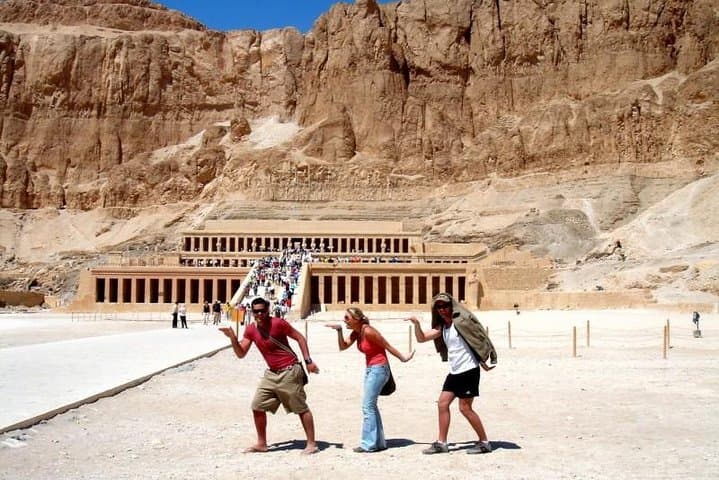
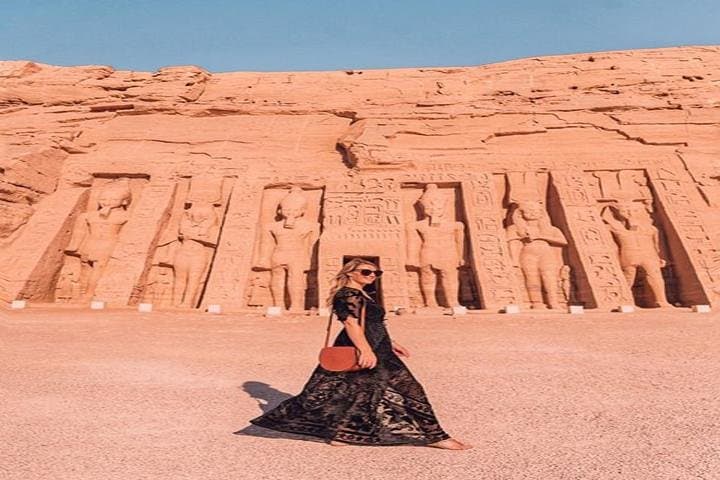
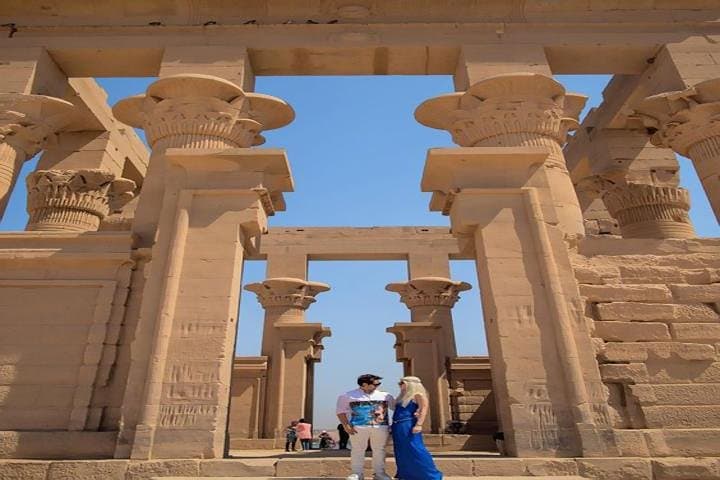
Egypt’s landscape here is defined by the Nile’s green ribbon carving through limestone and sand. The Aswan High Dam reshaped the river and created Lake Nasser, while the banks still hold Pharaonic, Greco-Roman and Islamic layers: Karnak’s colonnades, Luxor’s west-bank tomb cuts and Kom Ombo’s crocodile shrine. Local guides — often Egyptologists — place monuments in cultural context and explain rituals, hieroglyphs and seasonal flood histories.
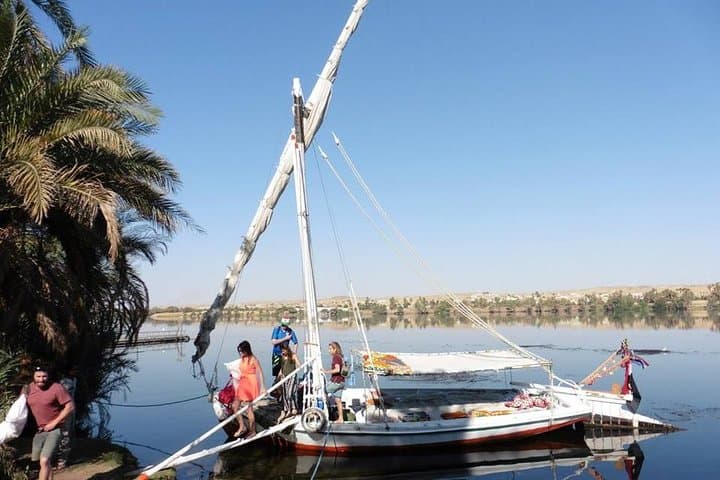
Practically, expect short guided walks at archaeological sites (usually under 2–3 km on mostly flat, paved or compacted terrain), several airport and train transfers, and at least two nights aboard traditional overnight accommodations: a sleeper train and a two-night felucca cruise. Temperature swings can be large — hot days and cooler nights on the river — so pack breathable layers and sun protection. Hydrate upfront; the tour includes bottled water and most meals on the felucca, but carry a refillable bottle for long site visits.
Timing matters: early-morning site visits beat both heat and crowds. Wear supportive walking shoes for uneven stone surfaces, and bring a small daypack, cash for tips and a compact headlamp for felucca evenings. The route is suitable for travelers of most fitness levels who can handle multi-day travel and moderate walking, and rewards patience with intimate river views and some of Egypt’s best-preserved temples.
moderate.
9 days.
Suitable for travelers in average shape who can manage multiple transfers, stairs at archaeological sites, and several days of walking; not strenuous.
Most site visits involve short to moderate walks (typically under 2–3 km), with uneven stone paths and steps; tours pace includes rests and shaded stops.
Sleeper trains in Egypt offer basic private compartments or couchettes; they are functional for overnight travel but bring earplugs and a small blanket if you are sensitive to noise or temperature changes.
The itinerary includes daily breakfast, all meals on the felucca, and one daily bottle of mineral water during guided portions; bring a refillable bottle for longer stretches.
October through April offers milder daytime temperatures and more comfortable nights; summers are very hot and require strict sun protection and hydration.
The Nile corridor has been Egypt’s life artery for millennia; pharaonic monuments were built on the banks where fertile silt supported complex state societies.
Tourism impacts include water use and site erosion; follow site rules, avoid touching reliefs, and use refillable bottles to reduce plastic waste.
Let`s Explore Egypt operates guided outdoor trips and adventures with an emphasis on safety, stewardship, and memorable experiences.
The first light over Cairo catches the edge of the Great Pyramid and the city exhales — dust, diesel and the distant hum of the Nile. Over nine days this itinerary moves from urban chaos to the slow water of the river: sleeper train toward Aswan, quiet nights on a felucca under a broad sky, and temple complexes that press the scale of human ambition against the desert.
The first light over Cairo catches the edge of the Great Pyramid and the city exhales — dust, diesel and the distant hum of the Nile. Over nine days this itinerary moves from urban chaos to the slow water of the river: sleeper train toward Aswan, quiet nights on a felucca under a broad sky, and temple complexes that press the scale of human ambition against the desert.
Egypt’s landscape here is defined by the Nile’s green ribbon carving through limestone and sand. The Aswan High Dam reshaped the river and created Lake Nasser, while the banks still hold Pharaonic, Greco-Roman and Islamic layers: Karnak’s colonnades, Luxor’s west-bank tomb cuts and Kom Ombo’s crocodile shrine. Local guides — often Egyptologists — place monuments in cultural context and explain rituals, hieroglyphs and seasonal flood histories.
Practically, expect short guided walks at archaeological sites (usually under 2–3 km on mostly flat, paved or compacted terrain), several airport and train transfers, and at least two nights aboard traditional overnight accommodations: a sleeper train and a two-night felucca cruise. Temperature swings can be large — hot days and cooler nights on the river — so pack breathable layers and sun protection. Hydrate upfront; the tour includes bottled water and most meals on the felucca, but carry a refillable bottle for long site visits.
Timing matters: early-morning site visits beat both heat and crowds. Wear supportive walking shoes for uneven stone surfaces, and bring a small daypack, cash for tips and a compact headlamp for felucca evenings. The route is suitable for travelers of most fitness levels who can handle multi-day travel and moderate walking, and rewards patience with intimate river views and some of Egypt’s best-preserved temples.