THE ADVENTURE COLLECTIVE® · Independent discovery and booking for outdoor travel

A nine‑day circuit that pairs Morocco’s imperial cities with the dunes of Merzouga, from Casablanca to Marrakech via Fes, the Atlas and Todra Gorges. Expect long drives, cultural stops, a camel trek and one night in a Berber desert camp.
A nine‑day circuit that pairs Morocco’s imperial cities with the dunes of Merzouga, from Casablanca to Marrakech via Fes, the Atlas and Todra Gorges. Expect long drives, cultural stops, a camel trek and one night in a Berber desert camp.
Dawn in Casablanca feels deliberate — the Atlantic wind pushes salt across the boulevard as the tour vehicle rolls away from the Hassan II Mosque and into a changing Morocco. Over nine days the road alternates between coastal light, cedar forests, High Atlas switchbacks and the slow, granular hush of Erg Chebbi; dunes that rise and fall like an unhurried tide.
Verified experiences and guided adventures in the surrounding area.
Operated by Maroc Tour Excursion · Casablanca, Casablanca-Settat
Dawn in Casablanca feels deliberate — the Atlantic wind pushes salt across the boulevard as the tour vehicle rolls away from the Hassan II Mosque and into a changing Morocco. Over nine days the road alternates between coastal light, cedar forests, High Atlas switchbacks and the slow, granular hush of Erg Chebbi; dunes that rise and fall like an unhurried tide.
This itinerary threads Morocco’s imperial cities — Rabat, Fes and Marrakech — with Rif and Atlas mountain culture, and the Saharan edge at Merzouga. Geologically the route moves from Atlantic-influenced plains into rugged limestone gorges (Todra) and the wind-sculpted sand of Erg Chebbi; the Ziz Valley’s palm oases mark the transition between mountain runoff and desert sediment.
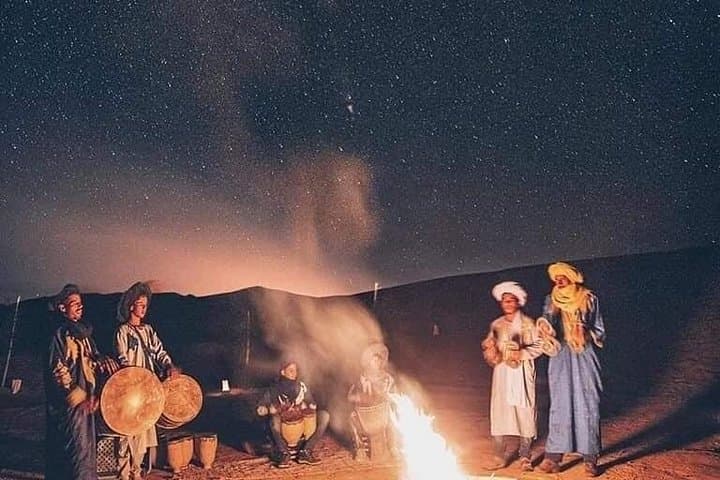
Culturally, expect medina alleys where artisans still hand-dye and tan hides, Berber villages where argan and rose cooperatives sustain local economies, and a night under canvas with Berber hosts around a fire. The camel trek is short and accessible; the longer challenges are the daily drives and uneven streets in old medinas.
Practical guidance: travel light, carry layered clothing for hot days and cool nights, and allow time for altitude and heat swings on the Atlas passes. Protect documents, pack a small first-aid kit, and plan arrivals in cities to avoid peak midday heat when exploring souks. Early starts capture the best light for photography and the calmest moments in the desert. This tour balances comfort and immersion — a road‑forward way to read Morocco’s landscapes and histories with reliable logistics and local guides.
moderate.
9 days.
Suitable for travelers in average shape who can handle long vehicle transfers, short walks in medinas, and an easy camel ride.
Expect multiple long drives across the country; some days include 4–6 hour transfers between stops, with mountain passes slowing progress.
The camel trek to the Berber camp is short and suitable for most people; it is more of a cultural experience than a strenuous ride.
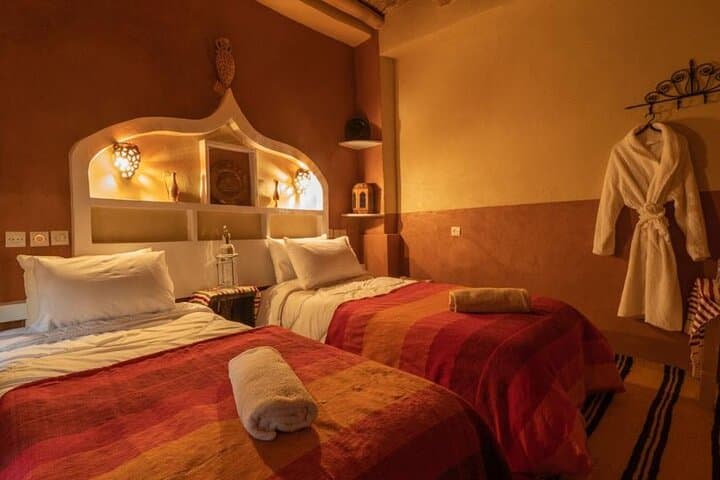
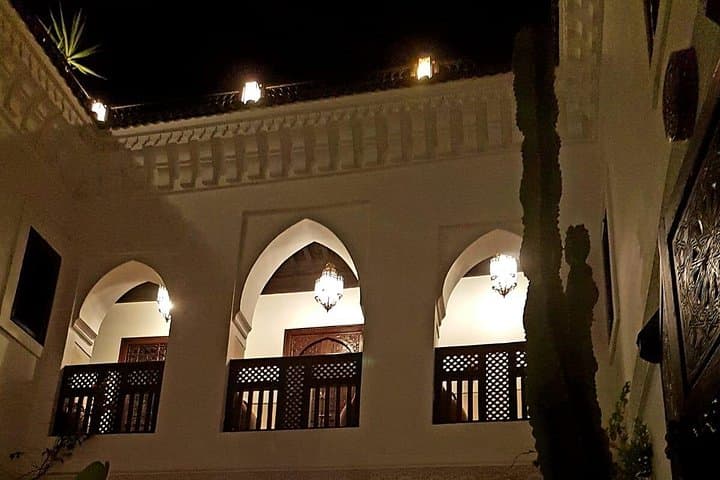
Accommodations mix riads and hotels with one night in a basic Berber camp; the camp provides mattresses and a shared dining experience but limited amenities.
Yes for most children, but note long drives and desert conditions; infants should be supervised on camels and in camp.
The route links Morocco’s imperial capitals shaped by centuries of trade, scholarship and dynastic rule, and passes ksour and kasbahs that defended caravan routes across the Atlas and Sahara.
Erg Chebbi’s dunes are sensitive to vehicle traffic and foot erosion; choose responsible operators and avoid disturbing fragile oases — water is scarce and local communities rely on sustainable tourism.
Maroc Tour Excursion operates guided outdoor trips and adventures with an emphasis on safety, stewardship, and memorable experiences.
Dawn in Casablanca feels deliberate — the Atlantic wind pushes salt across the boulevard as the tour vehicle rolls away from the Hassan II Mosque and into a changing Morocco. Over nine days the road alternates between coastal light, cedar forests, High Atlas switchbacks and the slow, granular hush of Erg Chebbi; dunes that rise and fall like an unhurried tide.
Dawn in Casablanca feels deliberate — the Atlantic wind pushes salt across the boulevard as the tour vehicle rolls away from the Hassan II Mosque and into a changing Morocco. Over nine days the road alternates between coastal light, cedar forests, High Atlas switchbacks and the slow, granular hush of Erg Chebbi; dunes that rise and fall like an unhurried tide.
This itinerary threads Morocco’s imperial cities — Rabat, Fes and Marrakech — with Rif and Atlas mountain culture, and the Saharan edge at Merzouga. Geologically the route moves from Atlantic-influenced plains into rugged limestone gorges (Todra) and the wind-sculpted sand of Erg Chebbi; the Ziz Valley’s palm oases mark the transition between mountain runoff and desert sediment.
Culturally, expect medina alleys where artisans still hand-dye and tan hides, Berber villages where argan and rose cooperatives sustain local economies, and a night under canvas with Berber hosts around a fire. The camel trek is short and accessible; the longer challenges are the daily drives and uneven streets in old medinas.
Practical guidance: travel light, carry layered clothing for hot days and cool nights, and allow time for altitude and heat swings on the Atlas passes. Protect documents, pack a small first-aid kit, and plan arrivals in cities to avoid peak midday heat when exploring souks. Early starts capture the best light for photography and the calmest moments in the desert. This tour balances comfort and immersion — a road‑forward way to read Morocco’s landscapes and histories with reliable logistics and local guides.