THE ADVENTURE COLLECTIVE® · Independent discovery and booking for outdoor travel

Traverse Morocco’s contrast in nine days: imperial cities, High Atlas passes, the Todgha Gorge, and an overnight under Sahara stars. This private circuit blends culture, geology and hands-on encounters with Berber communities.
Traverse Morocco’s contrast in nine days: imperial cities, High Atlas passes, the Todgha Gorge, and an overnight under Sahara stars. This private circuit blends culture, geology and hands-on encounters with Berber communities.
You step out of Marrakech Menara’s airport and the city’s heat and color press close—spices scent the air, the call to prayer threads through traffic, and palm-lined avenues give way to winding medina alleys.
Verified experiences and guided adventures in the surrounding area.
Operated by Visita marruecos · Marrakech, Marrakech-Safi
You step out of Marrakech Menara’s airport and the city’s heat and color press close—spices scent the air, the call to prayer threads through traffic, and palm-lined avenues give way to winding medina alleys.
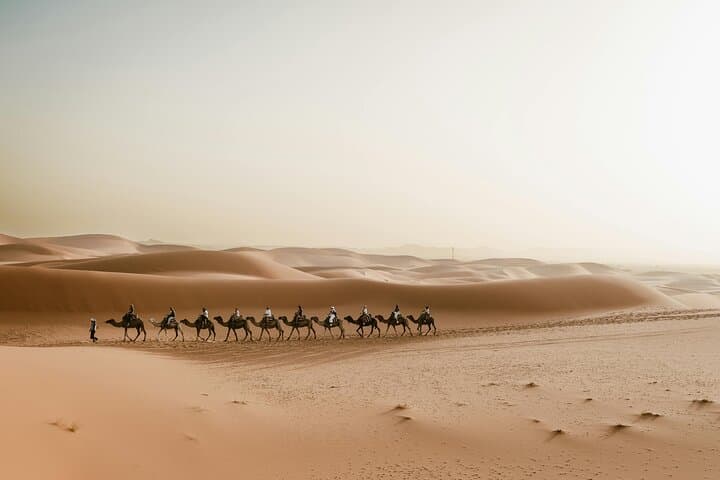
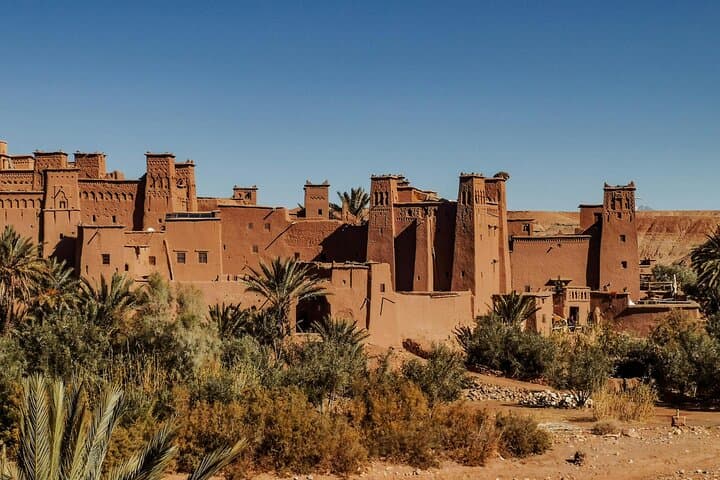
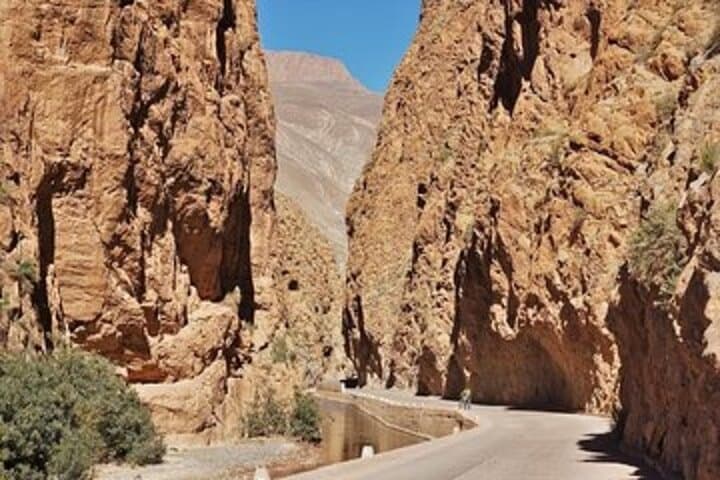
Over nine days the landscape rearranges itself: the High Atlas rises, folded and red-brown, steering your route over the Tizi n’Tichka pass; earthen kasbahs of Ait Ben Haddou stand like memory; limestone cliffs cleave the sky at Todgha Gorges; then the Sahara opens, dunes rolling like a living ocean that dares you to cross it by camel at sunset.
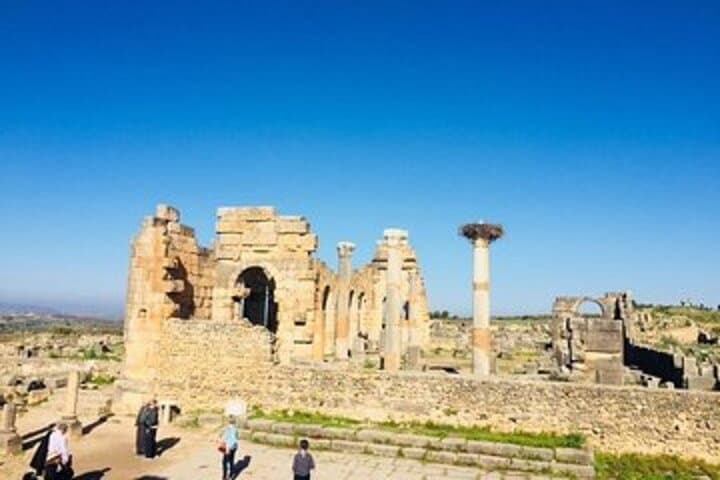
This circuit stitches together Morocco’s imperial history, Berber culture, Roman ruins at Volubilis and Andalusian echoes in Rabat. Geology is on full display—from glaciated peaks of the Atlas to wind-sculpted Erg Chebbi dunes—while towns like Chefchaouen show how place, climate and craft shape color and trade.
Practical guidance: expect long drives—private, air-conditioned transport makes them manageable—so pack layers for alpine mornings and desert nights, and sturdy walking shoes for uneven medina cobbles and canyon riverbeds. Hydration and sun protection matter across all climates; carry cash for small cooperatives and tips where cards aren’t accepted. Early starts yield cooler sightseeing and the best light for photography; a sunrise in Merzouga is quiet, cold and worth the alarm. The trip is accessible for most fitness levels but involves repeated transfers and short walks on varied terrain, so prepare for motion and brief hikes. Respect local customs—modest dress in medinas and deference at religious sites—and leave no trace in fragile desert zones to help preserve what you’ve come to witness.
moderate.
9 days.
Suitable for travelers in average physical condition who can handle multiple full travel days, short hikes and camel rides; not strenuous but requires mobility for short walks on uneven ground.
Yes — private transfers from Marrakech Menara Airport and to Casablanca Mohammed V are included as stated in the itinerary.
Camel rides are short to moderate; the desert camp stay is comfortable (luxury camp listed) but involves walking on soft sand and sleeping in an unheated tent structure—layers are recommended.
Some sites listed as admission included will be covered, but certain monuments and museums may require separate entrance fees—confirm specific inclusions when booking.
The tour accepts families with older children; it’s not recommended for travelers with serious spinal, heart conditions or pregnancy due to long transfers and uneven terrain; check booking restrictions for specifics.
The route traces Morocco’s layered past—Roman Volubilis, imperial capitals, and fortified kasbahs that controlled trans-Saharan trade routes for centuries.
Desert and mountain ecosystems are fragile; stick to established tracks, minimize water use, and support local cooperatives that practice sustainable harvesting and traditional crafts.
Visita marruecos operates guided outdoor trips and adventures with an emphasis on safety, stewardship, and memorable experiences.
You step out of Marrakech Menara’s airport and the city’s heat and color press close—spices scent the air, the call to prayer threads through traffic, and palm-lined avenues give way to winding medina alleys.
You step out of Marrakech Menara’s airport and the city’s heat and color press close—spices scent the air, the call to prayer threads through traffic, and palm-lined avenues give way to winding medina alleys.
Over nine days the landscape rearranges itself: the High Atlas rises, folded and red-brown, steering your route over the Tizi n’Tichka pass; earthen kasbahs of Ait Ben Haddou stand like memory; limestone cliffs cleave the sky at Todgha Gorges; then the Sahara opens, dunes rolling like a living ocean that dares you to cross it by camel at sunset.
This circuit stitches together Morocco’s imperial history, Berber culture, Roman ruins at Volubilis and Andalusian echoes in Rabat. Geology is on full display—from glaciated peaks of the Atlas to wind-sculpted Erg Chebbi dunes—while towns like Chefchaouen show how place, climate and craft shape color and trade.
Practical guidance: expect long drives—private, air-conditioned transport makes them manageable—so pack layers for alpine mornings and desert nights, and sturdy walking shoes for uneven medina cobbles and canyon riverbeds. Hydration and sun protection matter across all climates; carry cash for small cooperatives and tips where cards aren’t accepted. Early starts yield cooler sightseeing and the best light for photography; a sunrise in Merzouga is quiet, cold and worth the alarm. The trip is accessible for most fitness levels but involves repeated transfers and short walks on varied terrain, so prepare for motion and brief hikes. Respect local customs—modest dress in medinas and deference at religious sites—and leave no trace in fragile desert zones to help preserve what you’ve come to witness.