THE ADVENTURE COLLECTIVE® · Independent discovery and booking for outdoor travel

A nine-day circuit from Casablanca to Marrakech that packs Roman ruins, blue-washed Chefchaouen, the cedar forests of Ifrane, Todgha’s narrow gorges, and a camel-backed night in the Sahara. Expect long scenic drives, guided medina walks, and varied lodging from riads to desert camps.
A nine-day circuit from Casablanca to Marrakech that packs Roman ruins, blue-washed Chefchaouen, the cedar forests of Ifrane, Todgha’s narrow gorges, and a camel-backed night in the Sahara. Expect long scenic drives, guided medina walks, and varied lodging from riads to desert camps.
You step from Casablanca’s humid Atlantic air into a minivan that will become your slow-motion map of Morocco: coastal boulevards give way to ochre kasbahs, cedar forests, and a sea of dunes that swallows sound.
Verified experiences and guided adventures in the surrounding area.
Operated by Escorted Morocco Tours · Casablanca, Casablanca-Settat
You step from Casablanca’s humid Atlantic air into a minivan that will become your slow-motion map of Morocco: coastal boulevards give way to ochre kasbahs, cedar forests, and a sea of dunes that swallows sound.
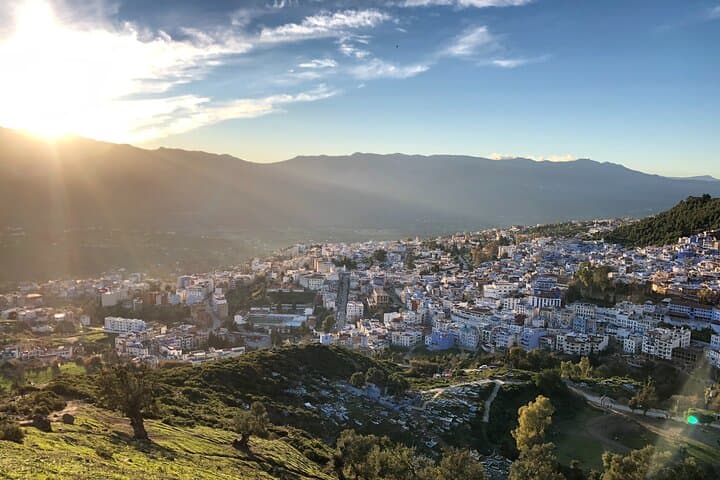
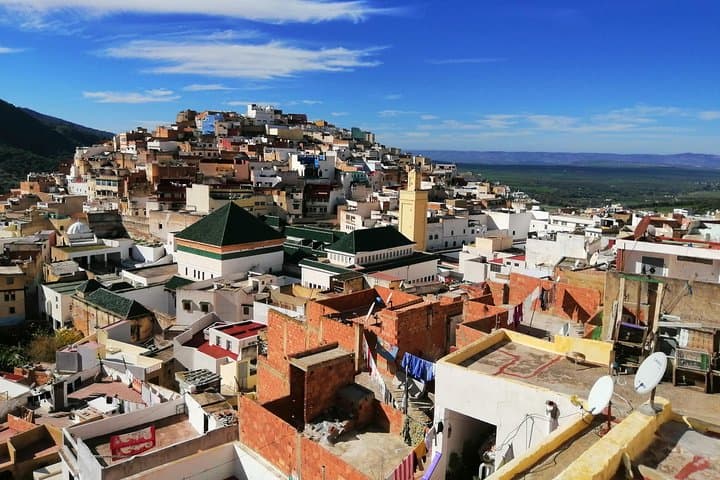
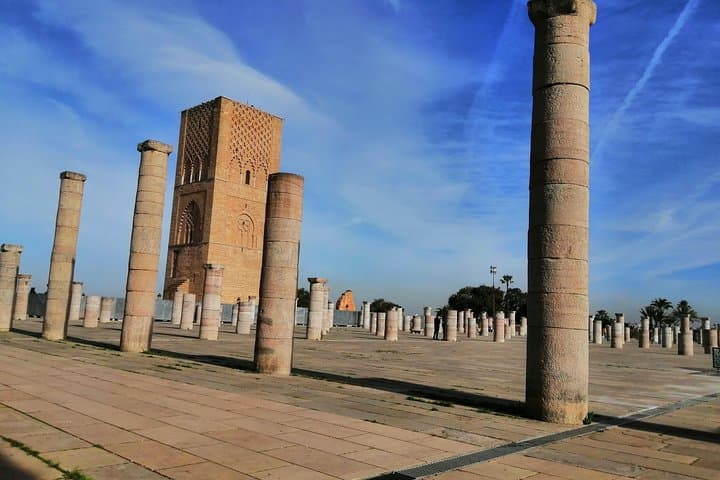
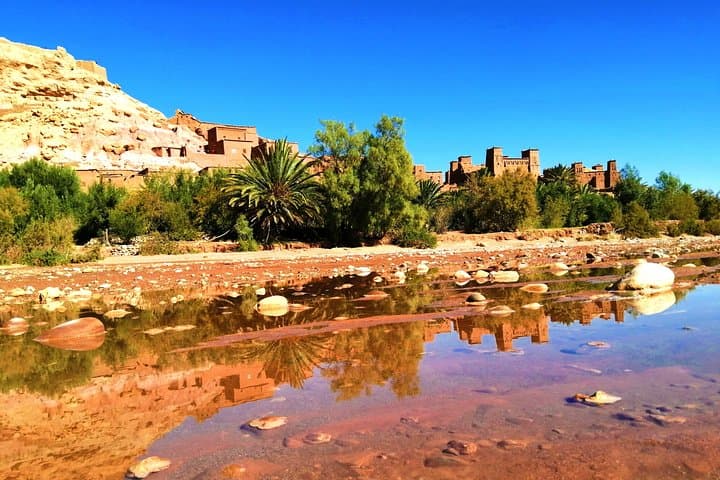
The route stitches together Roman ruins at Volubilis, imperial streets in Fes, cedar groves near Ifrane, and the red-lit ridges of the High Atlas before the final bustle of Marrakech. Geology is on display—limestone gorges like Todgha cut narrow canyons 300m high, while the Sahara’s Erg Chebbi dunes are wind-sculpted sand seas rising up to 150m from the hamlets at their edge. Culturally, you pass Amazigh (Berber) villages and centuries-old kasbahs built from local clay; Ait-Benhaddou’s fortified lanes recall caravan routes that linked sub-Saharan trade to Mediterranean ports.
Expect long drives broken by targeted walks: a guided medina tour in Fes, an early-morning look at Volubilis’s mosaics, a short canyon walk at Todgha, and a camel trek to an overnight desert camp where drums gather the group after dark. Accommodation ranges from city riads to a luxury desert camp and variable roadside hotels; breakfasts are included most days, with two dinners noted.
Practical guidance: travel light for the camel ride and nights in the dunes, carry cash for souks and tips, and allow time for altitude and temperature swings—high Atlas passes can be chilly while deserts are hot by day and cold at night. Bring sun protection and a sense of patience: Morocco’s pace is conversational, not hurried.
easy.
9 days.
Suitable for travelers in general good health who can manage short walks, camel rides, and multiple hours in a vehicle.
No: the itinerary involves mostly driving and short guided walks; it’s suitable for a wide range of fitness levels though some mobility is required for uneven surfaces and camel mounts.
Guides commonly speak English and French; Arabic and Amazigh are widely used locally—translation for specific dialects varies by guide.
The tour includes breakfasts on most days and two dinners; lunches and other dinners are typically at your own expense or arranged by the guide.
Bring warm layers, closed shoes for walking dunes, spare batteries or power bank, and toiletries—the camp provides bedding and basic facilities.
The route crosses Roman Volubilis and imperial cities like Meknes and Fes; earthen kasbahs reflect centuries of Amazigh architecture and caravan-era trade.
The tour traverses sensitive environments—water is scarce in the south and dunes are fragile; stick to marked trails, support local guides, and minimize single-use plastics.
Escorted Morocco Tours operates guided outdoor trips and adventures with an emphasis on safety, stewardship, and memorable experiences.
You step from Casablanca’s humid Atlantic air into a minivan that will become your slow-motion map of Morocco: coastal boulevards give way to ochre kasbahs, cedar forests, and a sea of dunes that swallows sound.
You step from Casablanca’s humid Atlantic air into a minivan that will become your slow-motion map of Morocco: coastal boulevards give way to ochre kasbahs, cedar forests, and a sea of dunes that swallows sound.
The route stitches together Roman ruins at Volubilis, imperial streets in Fes, cedar groves near Ifrane, and the red-lit ridges of the High Atlas before the final bustle of Marrakech. Geology is on display—limestone gorges like Todgha cut narrow canyons 300m high, while the Sahara’s Erg Chebbi dunes are wind-sculpted sand seas rising up to 150m from the hamlets at their edge. Culturally, you pass Amazigh (Berber) villages and centuries-old kasbahs built from local clay; Ait-Benhaddou’s fortified lanes recall caravan routes that linked sub-Saharan trade to Mediterranean ports.
Expect long drives broken by targeted walks: a guided medina tour in Fes, an early-morning look at Volubilis’s mosaics, a short canyon walk at Todgha, and a camel trek to an overnight desert camp where drums gather the group after dark. Accommodation ranges from city riads to a luxury desert camp and variable roadside hotels; breakfasts are included most days, with two dinners noted.
Practical guidance: travel light for the camel ride and nights in the dunes, carry cash for souks and tips, and allow time for altitude and temperature swings—high Atlas passes can be chilly while deserts are hot by day and cold at night. Bring sun protection and a sense of patience: Morocco’s pace is conversational, not hurried.