THE ADVENTURE COLLECTIVE® · Independent discovery and booking for outdoor travel

Follow the Machame (Whisky) Route over rainforest, Shira Plateau and glaciated slopes to Uhuru Peak. This 9-day guided small-group trek balances acclimatization and scenic variety with a summit-night push.
Follow the Machame (Whisky) Route over rainforest, Shira Plateau and glaciated slopes to Uhuru Peak. This 9-day guided small-group trek balances acclimatization and scenic variety with a summit-night push.
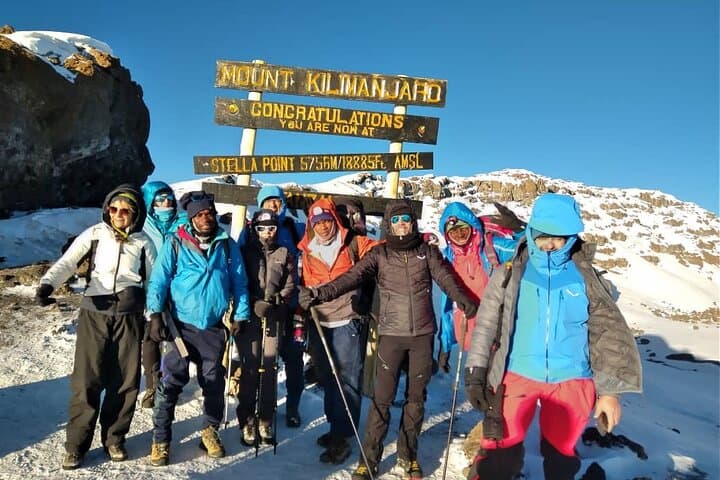
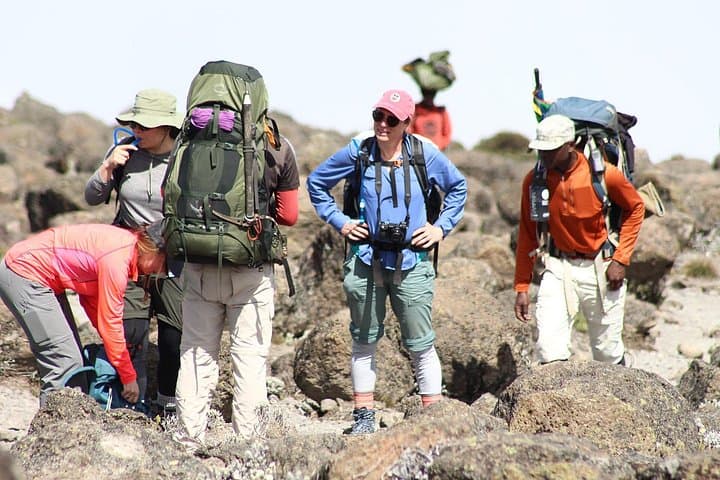
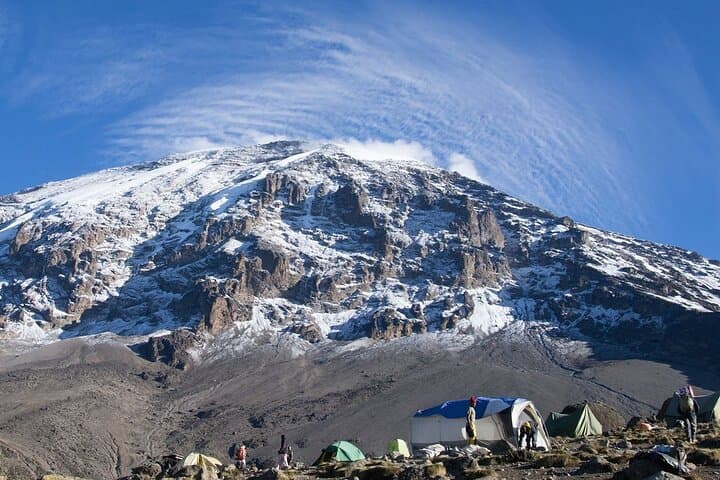
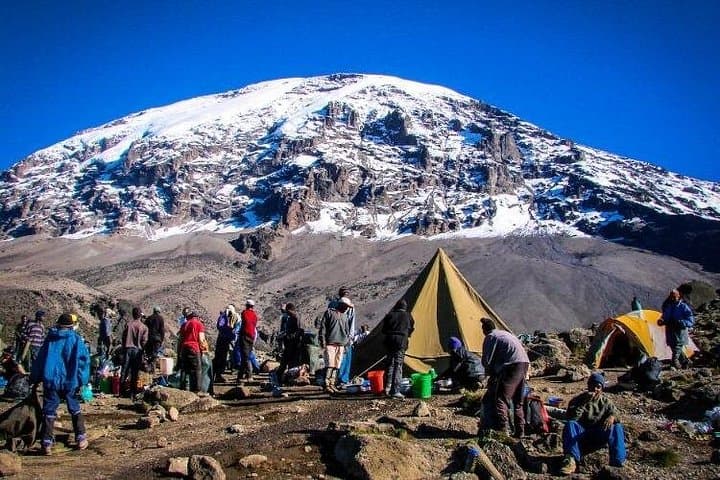
You step out of the Land Cruiser at Machame Gate with warm forest air pushing at your face and the steady chatter of porters arranging gear. The trail slips into a wet green corridor where moss hangs from trunks and streams dare you to pick the driest stone. Over the next six days the landscape opens: rainforest gives way to moorland, then to the wind-swept Shira Plateau and the harsh, glacial rim above Barafu that watches over the summit.
Verified experiences and guided adventures in the surrounding area.
Operated by pazuri porini safaris · Moshi, Kilimanjaro
You step out of the Land Cruiser at Machame Gate with warm forest air pushing at your face and the steady chatter of porters arranging gear. The trail slips into a wet green corridor where moss hangs from trunks and streams dare you to pick the driest stone. Over the next six days the landscape opens: rainforest gives way to moorland, then to the wind-swept Shira Plateau and the harsh, glacial rim above Barafu that watches over the summit.
Kilimanjaro is a dormant stratovolcano shaped by volcanic layers and carved by ancient glaciers; its ice fields have been receding for decades. The mountain sits on the ancestral lands of the Chagga people—villages ring the lower slopes and porters share stories of crops and old trade routes as you climb. Culturally and geologically diverse, the Machame (Whisky) Route is prized for varied scenery and a higher summit success rate because it gains altitude more gradually.
Expect daily hikes of 3–8 miles with significant elevation gain: Machame Gate (~1,800m) to Barafu (~4,600m) then summit at Uhuru Peak (5,895m). Acclimatization days, a summit-night push, and steep scree sections demand steady pacing, layered clothing, gaiters and trekking poles. Hydration (3L+/day), sun protection, and patience are non-negotiable; altitude—not steepness—causes most withdrawals. Guides and porters handle logistics and permits—permits and park fees are required—so climbers can focus on rhythm, breathing, and the slow, rewarding grind toward Africa’s roof.
challenging.
9 days.
Good aerobic fitness with prior multi-day hiking experience; ability to walk 4–6 hours on uneven ground for consecutive days.
June–October and January–February are drier and offer clearer summit conditions; both shoulder seasons can be cooler with fewer crowds.
No technical mountaineering skills are required on the Machame route, but experience with long days and high altitude is important.
Machame’s gradual profile improves acclimatization and typically yields higher success rates than shorter routes, but individual fitness and altitude response vary.
Park permits and guide/porter services are required and typically handled by outfitter; confirm what’s included before booking.
The mountain formed from volcanic activity over millions of years and has been part of Chagga cultural life for generations, with lower slopes farmed for bananas and coffee.
Glacial retreat and growing visitor numbers stress fragile alpine ecosystems; stay on trails, pack out waste and support operators who pay fair wages to porters.
pazuri porini safaris operates guided outdoor trips and adventures with an emphasis on safety, stewardship, and memorable experiences.
You step out of the Land Cruiser at Machame Gate with warm forest air pushing at your face and the steady chatter of porters arranging gear. The trail slips into a wet green corridor where moss hangs from trunks and streams dare you to pick the driest stone. Over the next six days the landscape opens: rainforest gives way to moorland, then to the wind-swept Shira Plateau and the harsh, glacial rim above Barafu that watches over the summit.
You step out of the Land Cruiser at Machame Gate with warm forest air pushing at your face and the steady chatter of porters arranging gear. The trail slips into a wet green corridor where moss hangs from trunks and streams dare you to pick the driest stone. Over the next six days the landscape opens: rainforest gives way to moorland, then to the wind-swept Shira Plateau and the harsh, glacial rim above Barafu that watches over the summit.
Kilimanjaro is a dormant stratovolcano shaped by volcanic layers and carved by ancient glaciers; its ice fields have been receding for decades. The mountain sits on the ancestral lands of the Chagga people—villages ring the lower slopes and porters share stories of crops and old trade routes as you climb. Culturally and geologically diverse, the Machame (Whisky) Route is prized for varied scenery and a higher summit success rate because it gains altitude more gradually.
Expect daily hikes of 3–8 miles with significant elevation gain: Machame Gate (~1,800m) to Barafu (~4,600m) then summit at Uhuru Peak (5,895m). Acclimatization days, a summit-night push, and steep scree sections demand steady pacing, layered clothing, gaiters and trekking poles. Hydration (3L+/day), sun protection, and patience are non-negotiable; altitude—not steepness—causes most withdrawals. Guides and porters handle logistics and permits—permits and park fees are required—so climbers can focus on rhythm, breathing, and the slow, rewarding grind toward Africa’s roof.