THE ADVENTURE COLLECTIVE® · Independent discovery and booking for outdoor travel

Traverse volcanic springs, elephant-rich swamps and flamingo-lined lakes on this 9-day Kenyan safari. From Tsavo’s Mzima Springs to the Maasai Mara, expect early-morning game drives, local cultural visits and full-board lodge and tented camp stays.
Traverse volcanic springs, elephant-rich swamps and flamingo-lined lakes on this 9-day Kenyan safari. From Tsavo’s Mzima Springs to the Maasai Mara, expect early-morning game drives, local cultural visits and full-board lodge and tented camp stays.
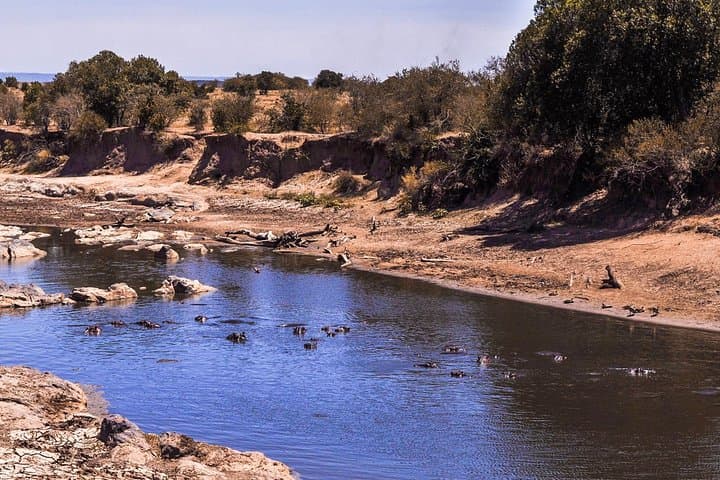
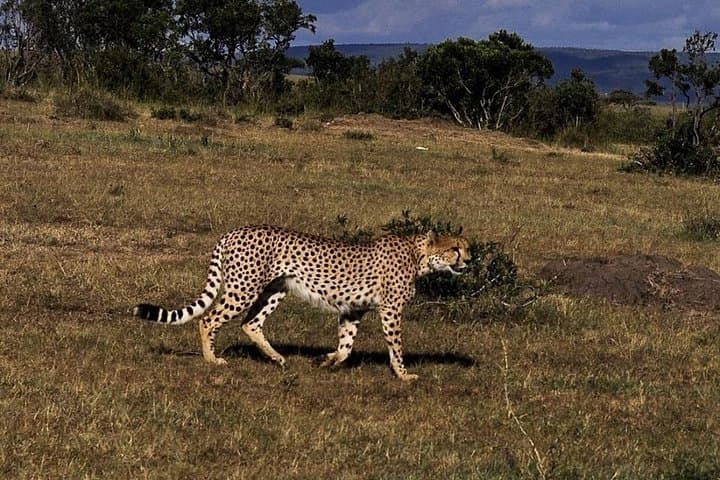
Dust from the red earth rises as your vehicle drops out of Nairobi’s traffic and the savanna stretches open — acacia silhouettes punctuate the horizon, and the air smells of sun-warmed grass. Over nine days you move through volcano-sculpted plains, clear springs and alkaline lakes, each landscape imposing its tempo: slow and watchful on morning game drives, quick and electric when a predator cuts the grass.
Verified experiences and guided adventures in the surrounding area.
Operated by DALA TOURS, SAFARIS & VOLUNTEERS KENYA · Nairobi, Nairobi County
Dust from the red earth rises as your vehicle drops out of Nairobi’s traffic and the savanna stretches open — acacia silhouettes punctuate the horizon, and the air smells of sun-warmed grass. Over nine days you move through volcano-sculpted plains, clear springs and alkaline lakes, each landscape imposing its tempo: slow and watchful on morning game drives, quick and electric when a predator cuts the grass.
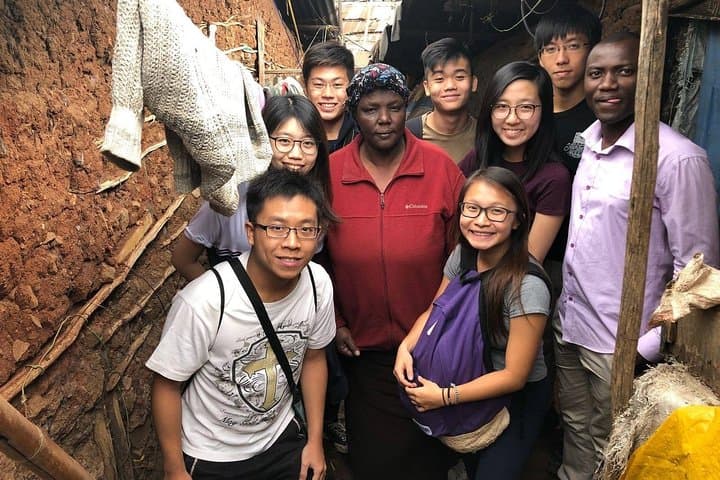
The route threads Tsavo West’s Mzima Springs and Roaring Rocks, the broad plains of Amboseli with Kilimanjaro looming on clear mornings, the fresh high-altitude waters of Lake Naivasha (1,910m), the flamingo fringes of Lake Nakuru and finally the Mara, where the wildebeest migration can concentrate an ocean of hooves. Geology is visible: recent volcanic cones, underground rivers feeding spring-fed pools, and the Rift Valley’s alkaline basins that attract feeding birds and grazing herds. Culturally, the Maasai remain one of the most visible communities; many itineraries include a village visit to learn about their seasonal life and livestock systems.
Practicalities are straightforward: travel is by safari vehicle with full-board accommodation included, from lodges to tented camps. Expect early starts, dusty roads, and long drives between parks; mornings and late afternoons are best for wildlife viewing. Pack binoculars, layered clothing for cool mornings, sunscreen and refillable water bottles. Respect park rules, maintain distance from wildlife, and carry medication and insect protection as advised. Timing your trip with migration windows and booking locally run operators helps both sightings and community benefits — a safari that connects you to landscape, wildlife and the people who steward both.
moderate.
9 days.
Suitable for travelers in general good health able to handle early mornings, prolonged vehicle travel and short walks; minimal sustained exertion required.
This itinerary states full-board accommodation is included; park fees are typically included in packaged safari pricing—confirm at booking using the operator’s product link.
The Mara sees large migration movements roughly July–October as herds cross north from the Serengeti, though exact timing varies each year.
Vaccination and malaria recommendations depend on your origin and health history; consult a travel clinic for up-to-date advice before travel.
Much of the trip is vehicle-based and described as suitable for all fitness levels, but discuss specific mobility needs with the operator as some game drives and village visits involve uneven ground.
The Maasai people have grazed and managed rangelands across southern Kenya for generations; many conservancies around the Mara are community-run to balance livestock and wildlife use.
Parks here work with community conservancies and anti-poaching teams; choosing locally managed operators directs revenue to villages and conservation projects, supporting both wildlife protection and rural livelihoods.
DALA TOURS, SAFARIS & VOLUNTEERS KENYA operates guided outdoor trips and adventures with an emphasis on safety, stewardship, and memorable experiences.
Dust from the red earth rises as your vehicle drops out of Nairobi’s traffic and the savanna stretches open — acacia silhouettes punctuate the horizon, and the air smells of sun-warmed grass. Over nine days you move through volcano-sculpted plains, clear springs and alkaline lakes, each landscape imposing its tempo: slow and watchful on morning game drives, quick and electric when a predator cuts the grass.
Dust from the red earth rises as your vehicle drops out of Nairobi’s traffic and the savanna stretches open — acacia silhouettes punctuate the horizon, and the air smells of sun-warmed grass. Over nine days you move through volcano-sculpted plains, clear springs and alkaline lakes, each landscape imposing its tempo: slow and watchful on morning game drives, quick and electric when a predator cuts the grass.
The route threads Tsavo West’s Mzima Springs and Roaring Rocks, the broad plains of Amboseli with Kilimanjaro looming on clear mornings, the fresh high-altitude waters of Lake Naivasha (1,910m), the flamingo fringes of Lake Nakuru and finally the Mara, where the wildebeest migration can concentrate an ocean of hooves. Geology is visible: recent volcanic cones, underground rivers feeding spring-fed pools, and the Rift Valley’s alkaline basins that attract feeding birds and grazing herds. Culturally, the Maasai remain one of the most visible communities; many itineraries include a village visit to learn about their seasonal life and livestock systems.
Practicalities are straightforward: travel is by safari vehicle with full-board accommodation included, from lodges to tented camps. Expect early starts, dusty roads, and long drives between parks; mornings and late afternoons are best for wildlife viewing. Pack binoculars, layered clothing for cool mornings, sunscreen and refillable water bottles. Respect park rules, maintain distance from wildlife, and carry medication and insect protection as advised. Timing your trip with migration windows and booking locally run operators helps both sightings and community benefits — a safari that connects you to landscape, wildlife and the people who steward both.