THE ADVENTURE COLLECTIVE® · Independent discovery and booking for outdoor travel

Trace empires and landscapes across nine days—from Istanbul’s domes and the marble avenues of Ephesus to Pamukkale’s chalky terraces and Cappadocia’s balloon-filled skies. This private itinerary balances guided history with active walks and geological wonders.
Trace empires and landscapes across nine days—from Istanbul’s domes and the marble avenues of Ephesus to Pamukkale’s chalky terraces and Cappadocia’s balloon-filled skies. This private itinerary balances guided history with active walks and geological wonders.
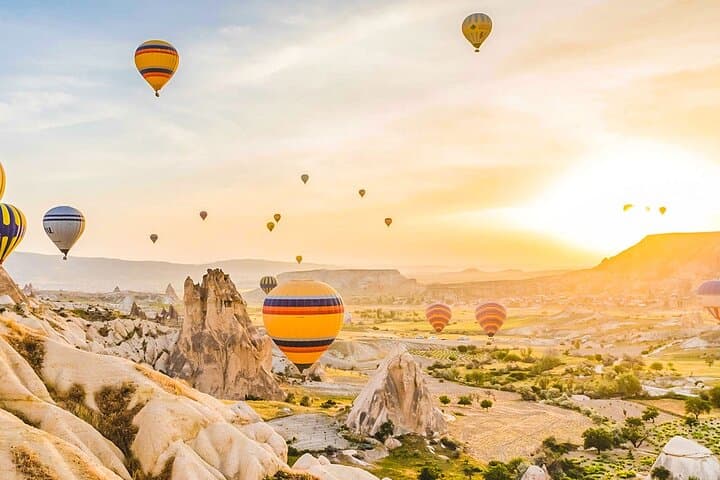
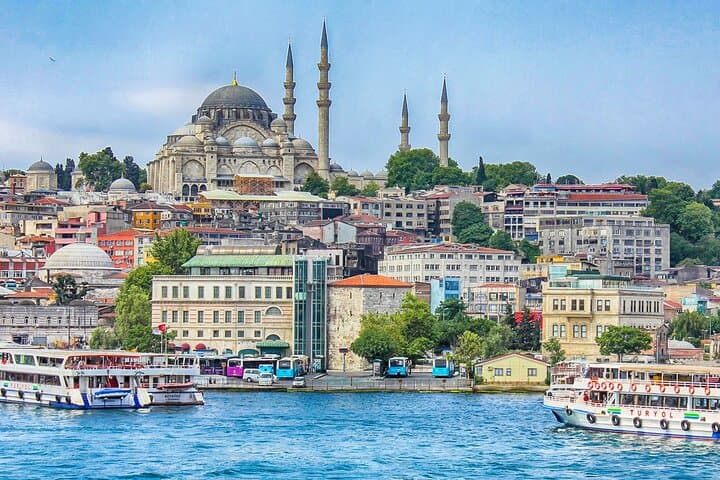
The first light over Istanbul slices the Bosporus like an invitation. Ferries cut through the waterway while the Blue Mosque’s domes silhouette against a pale sky; later in the trip, balloons will rise above the fairy chimneys of Cappadocia, their colors coaxed aloft by the valley winds. This nine-day route moves with momentum—urban stone, Roman marble, calcium-white travertines and volcanic spires—offering a compressed apprenticeship in Turkey’s layered past.
Verified experiences and guided adventures in the surrounding area.
Operated by Travel China Guide · Istanbul, Istanbul
The first light over Istanbul slices the Bosporus like an invitation. Ferries cut through the waterway while the Blue Mosque’s domes silhouette against a pale sky; later in the trip, balloons will rise above the fairy chimneys of Cappadocia, their colors coaxed aloft by the valley winds. This nine-day route moves with momentum—urban stone, Roman marble, calcium-white travertines and volcanic spires—offering a compressed apprenticeship in Turkey’s layered past.
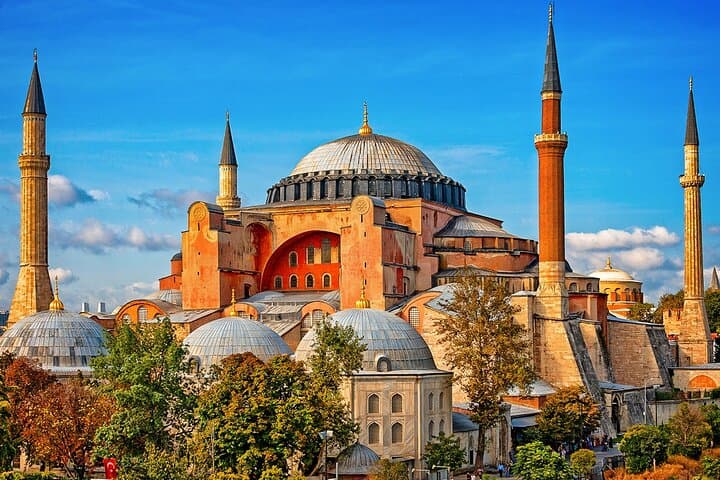
Start in Istanbul’s old city, where Byzantine and Ottoman architecture press close: Hagia Sophia’s cavernous nave, Topkapi’s courtyards of relics, and the Grand Bazaar’s alleys where merchants still practice the art of haggling. A short Bosporus cruise gives you views of waterfront palaces and cambered bridges that divide continents; the sea dares you to imagine crossing cultures as easily as you cross the strait.
A domestic flight drops you on the Aegean coast at Kusadasi, base for a sunrise visit to Ephesus. Here Marble Street and Celsus Library unfold in a Greco-Roman amphitheater of stone—stroll three kilometers of excavated streets and climb terraces that once hosted 25,000 spectators.
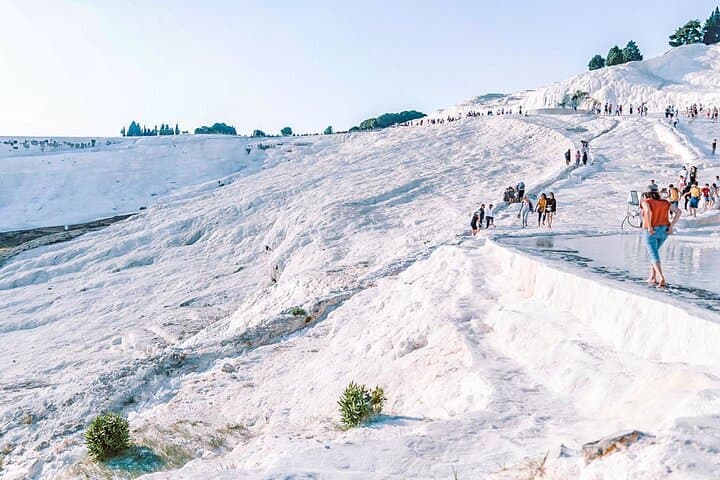
Pamukkale’s travertine pools are geology made theatrical: thermal springs laden with calcium carbonate pour down a 200-meter escarpment to form chalky terraces. You’ll remove shoes for the soft, warm pools where mineral water has been depositing for millennia. Nearby, the necropolis and colonnades of Hierapolis lay quiet above the white cascades.
Cappadocia shifts the palette to ochre and pumice. The Goreme Open Air Museum’s carved churches shelter Byzantine frescoes; Devrent Valley’s carved forms ask you to name them; a two-hour hike in Red Valley reveals stratified cliffs with color bands like pages of geological history. Descending into Kaymakli Underground City—narrow tunnels and cool, brick-lined rooms—reminds you how human ingenuity adapted to a harsh landscape.
Practicalities shape the experience: expect multiple short flights, roughly 2–3 hours driving between major stops, occasional steep climbs in Cappadocia (think 200–350m elevation gain on valley hikes), and cobbled or uneven terrain in archaeological sites. Moderate fitness makes the days easier; bring layered clothing for big diurnal swings, and plan early starts to avoid midday heat and crowds.
Booking notes: domestic airfares for the itinerary are included; hot air balloon rides in Cappadocia are available but seat-limited—reserve in advance. Respect protected sites by using established paths, carry reusable water, and be prepared to walk on soft travertine barefoot in Pamukkale where required. This route rewards curiosity: history underfoot, landscapes that move, and a pace that stitches cities and countryside into a single, unforgettable countrywide sweep.
moderate.
9 days.
Suitable for moderately active travelers comfortable with several hours of walking per day, some steep sections and stairs; not technical.
The main itinerary notes the hot air balloon as an available activity; seats are limited and should be requested in advance—operators typically charge extra.
Many nationalities require an e-visa obtained before arrival—confirm visa rules for your passport well ahead of travel.
Some modern museums and parts of Topkapi are accessible, but ancient sites like Ephesus, travertines at Pamukkale, and underground cities have uneven surfaces and limited access.
The Turkish lira is standard; cards are widely accepted in cities and hotels, but carry cash for small shops and rural areas.
Expect 2–6 miles (3–10 km) of walking on most days with stairs and uneven ground—plan shoes and pacing accordingly.
Tipping is customary: small amounts for guides and drivers at your discretion—around 5–10% where service is exceptional.
This route stitches Byzantine, Roman and Ottoman chapters—Ephesus reflects Greco-Roman urban life, while Konya preserves Seljuk and Sufi heritage tied to the Mevlana order.
Pamukkale’s fragile travertines are protected; visitors must follow designated routes and often go barefoot to minimize damage—support local guides who enforce site rules.
Travel China Guide operates guided outdoor trips and adventures with an emphasis on safety, stewardship, and memorable experiences.
The first light over Istanbul slices the Bosporus like an invitation. Ferries cut through the waterway while the Blue Mosque’s domes silhouette against a pale sky; later in the trip, balloons will rise above the fairy chimneys of Cappadocia, their colors coaxed aloft by the valley winds. This nine-day route moves with momentum—urban stone, Roman marble, calcium-white travertines and volcanic spires—offering a compressed apprenticeship in Turkey’s layered past.
The first light over Istanbul slices the Bosporus like an invitation. Ferries cut through the waterway while the Blue Mosque’s domes silhouette against a pale sky; later in the trip, balloons will rise above the fairy chimneys of Cappadocia, their colors coaxed aloft by the valley winds. This nine-day route moves with momentum—urban stone, Roman marble, calcium-white travertines and volcanic spires—offering a compressed apprenticeship in Turkey’s layered past.
Start in Istanbul’s old city, where Byzantine and Ottoman architecture press close: Hagia Sophia’s cavernous nave, Topkapi’s courtyards of relics, and the Grand Bazaar’s alleys where merchants still practice the art of haggling. A short Bosporus cruise gives you views of waterfront palaces and cambered bridges that divide continents; the sea dares you to imagine crossing cultures as easily as you cross the strait.
A domestic flight drops you on the Aegean coast at Kusadasi, base for a sunrise visit to Ephesus. Here Marble Street and Celsus Library unfold in a Greco-Roman amphitheater of stone—stroll three kilometers of excavated streets and climb terraces that once hosted 25,000 spectators.
Pamukkale’s travertine pools are geology made theatrical: thermal springs laden with calcium carbonate pour down a 200-meter escarpment to form chalky terraces. You’ll remove shoes for the soft, warm pools where mineral water has been depositing for millennia. Nearby, the necropolis and colonnades of Hierapolis lay quiet above the white cascades.
Cappadocia shifts the palette to ochre and pumice. The Goreme Open Air Museum’s carved churches shelter Byzantine frescoes; Devrent Valley’s carved forms ask you to name them; a two-hour hike in Red Valley reveals stratified cliffs with color bands like pages of geological history. Descending into Kaymakli Underground City—narrow tunnels and cool, brick-lined rooms—reminds you how human ingenuity adapted to a harsh landscape.
Practicalities shape the experience: expect multiple short flights, roughly 2–3 hours driving between major stops, occasional steep climbs in Cappadocia (think 200–350m elevation gain on valley hikes), and cobbled or uneven terrain in archaeological sites. Moderate fitness makes the days easier; bring layered clothing for big diurnal swings, and plan early starts to avoid midday heat and crowds.
Booking notes: domestic airfares for the itinerary are included; hot air balloon rides in Cappadocia are available but seat-limited—reserve in advance. Respect protected sites by using established paths, carry reusable water, and be prepared to walk on soft travertine barefoot in Pamukkale where required. This route rewards curiosity: history underfoot, landscapes that move, and a pace that stitches cities and countryside into a single, unforgettable countrywide sweep.