THE ADVENTURE COLLECTIVE® · Independent discovery and booking for outdoor travel

Traverse the Hexi Corridor on a private nine-day tour from Lanzhou, moving from Yellow River cityscapes to Danxia cliffs, Jiayuguan’s western Great Wall and Dunhuang’s Mogao Caves. Expect long drives, short hikes, and rich Silk Road history.
Traverse the Hexi Corridor on a private nine-day tour from Lanzhou, moving from Yellow River cityscapes to Danxia cliffs, Jiayuguan’s western Great Wall and Dunhuang’s Mogao Caves. Expect long drives, short hikes, and rich Silk Road history.
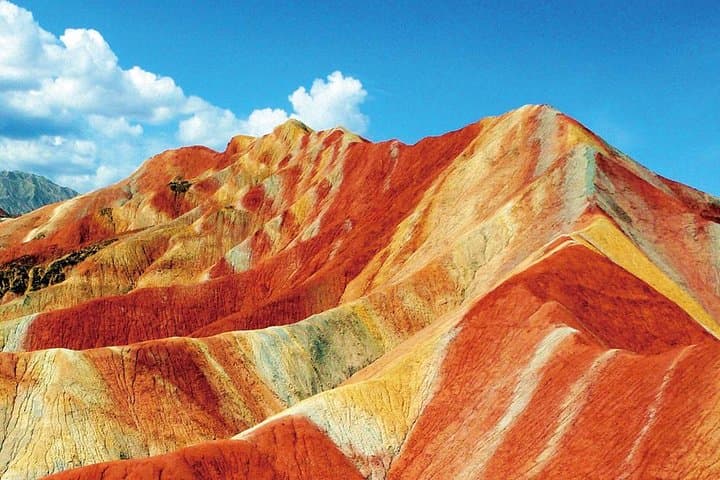
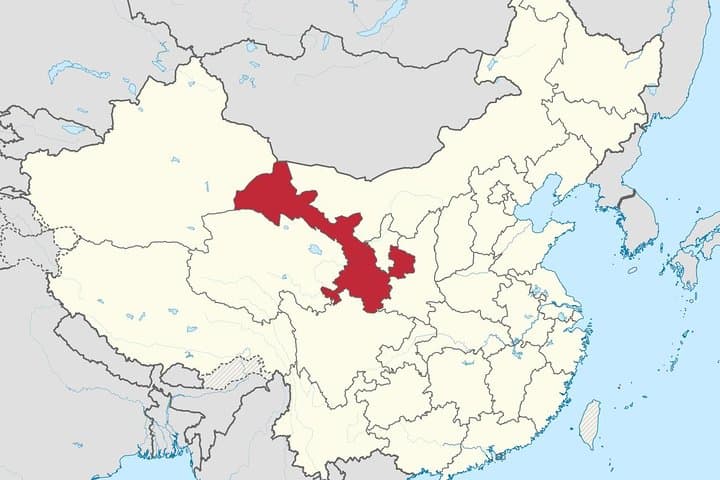
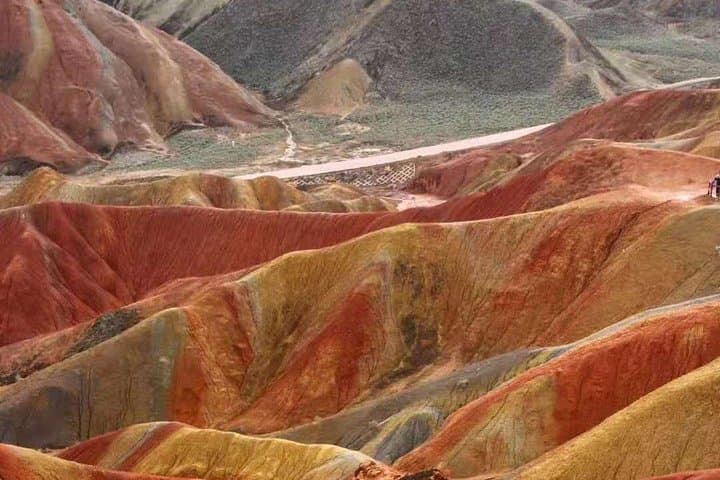
Standing on the Yellow River bank in Lanzhou, the city’s wind pushes across the water and the road ahead narrows into the Hexi Corridor—an ancient conduit where caravans once threaded between deserts and mountains. Over nine days this private itinerary moves east to west: Lanzhou’s riverfront, Wuwei’s grotto sculptures, Zhangye’s rainbow Danxia cliffs and Pingshanhu Grand Canyon, Jiayuguan’s fortified pass, and Dunhuang’s Mogao Caves and singing sands.
Verified experiences and guided adventures in the surrounding area.
Operated by Silk Road Angel Tours · Lanzhou, Gansu
Standing on the Yellow River bank in Lanzhou, the city’s wind pushes across the water and the road ahead narrows into the Hexi Corridor—an ancient conduit where caravans once threaded between deserts and mountains. Over nine days this private itinerary moves east to west: Lanzhou’s riverfront, Wuwei’s grotto sculptures, Zhangye’s rainbow Danxia cliffs and Pingshanhu Grand Canyon, Jiayuguan’s fortified pass, and Dunhuang’s Mogao Caves and singing sands.
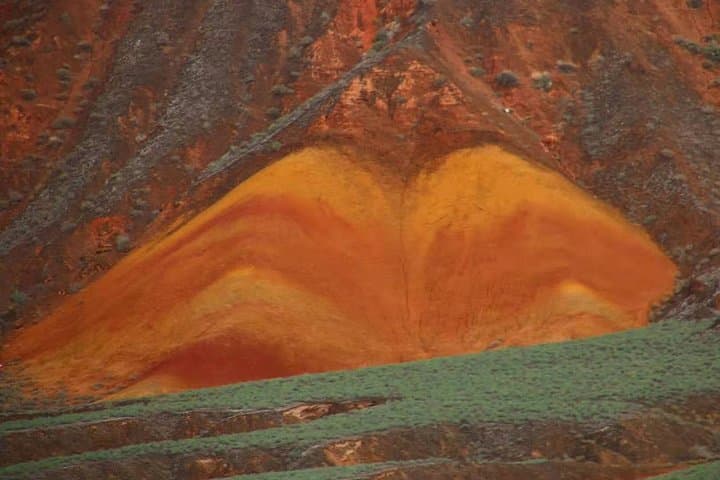
Geology here reads like a field guide: layered red sandstones form the Danxia formations, wind-carved dunes sing at low humidity, and loess and alluvial fans trace the corridor’s tectonic squeeze between the Tibetan Plateau and the Alashan ranges. Culturally the route is Silk Road plainspoken—military outposts, Buddhist grottoes, and trading towns shaped by Han and Tang-era policy and by travelers from Central Asia.
Expect a mix of light hikes (Pingshanhu ~2–3 hours), museum visits, vehicle transfers of several hours (Lanzhou to Zhangye ~500 km; allow 5–6 hours), and flat-to-rolling desert walks. The itinerary balances paved access and short unpaved stretches; footwear with good tread and sun protection are mandatory. Carry a daypack with water, layers, and a copy of your passport—the operator requires passport details and meets at Lanzhou airport or station.
Practical rhythm matters: start early to catch cooler light on Danxia cliffs and book evening rest after long drives. Respect fragile cave murals at Mogao by following guide directions; the desert’s silence can feel like a living thing, nudging you onward or insisting you pause. This trip blends historical depth with straightforward logistics—ideal for travelers who want Silk Road scope with managed comfort.
moderate.
9 days.
Suitable for travelers in reasonable health who can handle multiple 3–6 hour drives and several short hikes; not highly technical but expect daily mobility.
Yes—your passport details are required at booking and the physical passport is needed on travel days for transfers and some site entries.
Most walking is light to moderate—Pingshanhu Grand Canyon includes a 2–3 hour hike over uneven trail; no technical climbing is required.
Days mix museum or site visits in the morning, road transfers in the afternoon (3–6 hours on some days), and evening hotel stays with included meals.
The tour notes accessibility options but children must be accompanied by an adult; lengthy transfers may challenge travelers with limited mobility—contact the operator to confirm accommodations.
The Hexi Corridor served as a vital Silk Road stretch linking central China to Central Asia; Jiayuguan marks the Ming Dynasty’s western military terminus and Dunhuang preserves a millennium of Buddhist art in the Mogao caves.
High visitor numbers can stress fragile cave murals and desert vegetation—stick to trails, avoid touching murals, and minimize plastic waste; support local guides and cultural site fees that fund preservation.
Silk Road Angel Tours operates guided outdoor trips and adventures with an emphasis on safety, stewardship, and memorable experiences.
Standing on the Yellow River bank in Lanzhou, the city’s wind pushes across the water and the road ahead narrows into the Hexi Corridor—an ancient conduit where caravans once threaded between deserts and mountains. Over nine days this private itinerary moves east to west: Lanzhou’s riverfront, Wuwei’s grotto sculptures, Zhangye’s rainbow Danxia cliffs and Pingshanhu Grand Canyon, Jiayuguan’s fortified pass, and Dunhuang’s Mogao Caves and singing sands.
Standing on the Yellow River bank in Lanzhou, the city’s wind pushes across the water and the road ahead narrows into the Hexi Corridor—an ancient conduit where caravans once threaded between deserts and mountains. Over nine days this private itinerary moves east to west: Lanzhou’s riverfront, Wuwei’s grotto sculptures, Zhangye’s rainbow Danxia cliffs and Pingshanhu Grand Canyon, Jiayuguan’s fortified pass, and Dunhuang’s Mogao Caves and singing sands.
Geology here reads like a field guide: layered red sandstones form the Danxia formations, wind-carved dunes sing at low humidity, and loess and alluvial fans trace the corridor’s tectonic squeeze between the Tibetan Plateau and the Alashan ranges. Culturally the route is Silk Road plainspoken—military outposts, Buddhist grottoes, and trading towns shaped by Han and Tang-era policy and by travelers from Central Asia.
Expect a mix of light hikes (Pingshanhu ~2–3 hours), museum visits, vehicle transfers of several hours (Lanzhou to Zhangye ~500 km; allow 5–6 hours), and flat-to-rolling desert walks. The itinerary balances paved access and short unpaved stretches; footwear with good tread and sun protection are mandatory. Carry a daypack with water, layers, and a copy of your passport—the operator requires passport details and meets at Lanzhou airport or station.
Practical rhythm matters: start early to catch cooler light on Danxia cliffs and book evening rest after long drives. Respect fragile cave murals at Mogao by following guide directions; the desert’s silence can feel like a living thing, nudging you onward or insisting you pause. This trip blends historical depth with straightforward logistics—ideal for travelers who want Silk Road scope with managed comfort.