THE ADVENTURE COLLECTIVE® · Independent discovery and booking for outdoor travel

Cover Egypt’s headline sites in nine days: Cairo’s pyramids, a three-night Nile cruise with Philae and Kom Ombo, day trips to Abu Simbel and Luxor, and a Red Sea snorkel stop in Hurghada. This itinerary mixes archaeological depth with manageable travel logistics.
Cover Egypt’s headline sites in nine days: Cairo’s pyramids, a three-night Nile cruise with Philae and Kom Ombo, day trips to Abu Simbel and Luxor, and a Red Sea snorkel stop in Hurghada. This itinerary mixes archaeological depth with manageable travel logistics.
Walk out of Cairo International Airport and the city presses in—horns, hawkers, the flat light that flattens history and modern life together. Within two days you’ll be face-to-face with the Great Pyramid’s limestone steps; by night you’ll be on a sleeper train heading south, then slipping into the slow, blue procession of the Nile.
Verified experiences and guided adventures in the surrounding area.
Operated by Bastet Travel · Cairo, Cairo Governorate
Walk out of Cairo International Airport and the city presses in—horns, hawkers, the flat light that flattens history and modern life together. Within two days you’ll be face-to-face with the Great Pyramid’s limestone steps; by night you’ll be on a sleeper train heading south, then slipping into the slow, blue procession of the Nile.
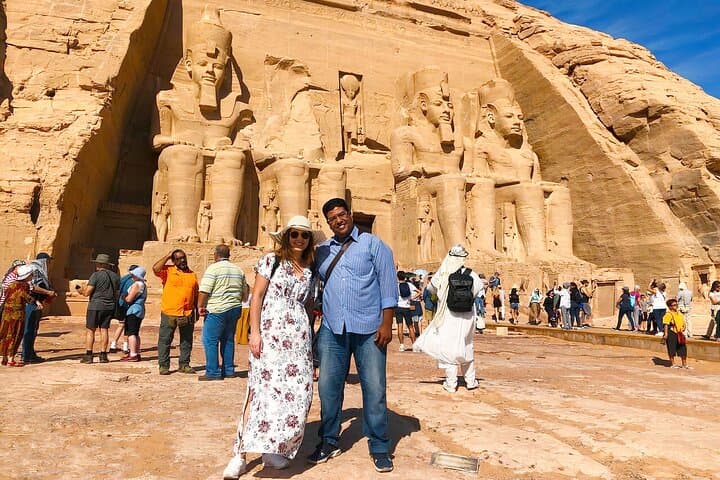
This multi-day loop threads Egypt’s layered past: Pharaonic tombs cut into desert rock at the Valley of the Kings, New Kingdom temples carved of sandstone at Abu Simbel, and Greco-Roman and Islamic layers in Cairo’s cluttered streets. Geology is obvious—Nile alluvium that made agriculture possible, hard desert plateaus that preserved monuments, and coral reefs off Hurghada where the Red Sea’s warm currents keep coral vibrant.
Culturally the trip balances guided archaeology with local rhythms—Nubian villages along the river, tea stalls on Luxor’s east bank, and boatmen who know the river by eye. Expect early mornings at sights to beat heat and crowds, and an Egyptologist-led narration that frames temples as functioning civic centers rather than static ruins.
Practical notes: carry SPF, a wide-brim hat, and a reusable water bottle; temple complexes have uneven stone and steps so supportive shoes matter. Bring light, modest clothing for religious and conservative areas and small cash for tips and market stalls. For snorkeling in Hurghada, check weather and reef-health briefings; boats provide basic equipment but consider your own mask if you prefer fit. Pace your trip—rest on cruise deck afternoons and plan restroom breaks between long drives.
easy.
9 days.
Suitable for travelers in average fitness—requires sustained walking, some stairs, and short hikes at sites; not strenuous.
Most nationalities require a visa to enter Egypt—check current entry rules and obtain one in advance or on arrival where available.
This itinerary indicates admissions for major sites like the Pyramids, Abu Simbel and Valley of the Kings are included, but confirm specifics at booking for any optional extras.
Yes—the package lists three nights on a 5-star cruise with all meals included for the cruise segment.
Temple visits involve walking and stairs but are not technical; snorkeling requires basic swimming ability—boat staff supply instruction and basic gear.
This route follows Egypt’s long north-south axis—Cairo’s medieval and Pharaonic layers, the New Kingdom power centers at Luxor, and Sun-king temples like Abu Simbel moved to higher ground in the 1960s.
Coral reefs near Hurghada are under pressure from warming and boat traffic—choose operators who follow reef-friendly anchoring and no-touch practices; along the Nile, minimize plastic and respect protected sites.
Bastet Travel operates guided outdoor trips and adventures with an emphasis on safety, stewardship, and memorable experiences.
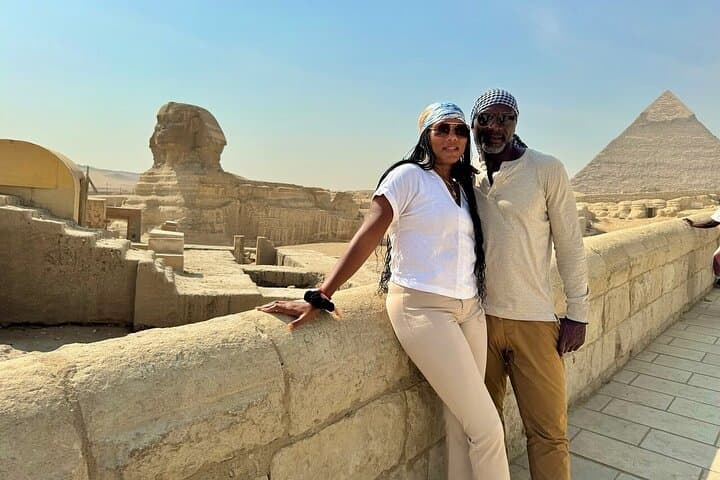

Walk out of Cairo International Airport and the city presses in—horns, hawkers, the flat light that flattens history and modern life together. Within two days you’ll be face-to-face with the Great Pyramid’s limestone steps; by night you’ll be on a sleeper train heading south, then slipping into the slow, blue procession of the Nile.
Walk out of Cairo International Airport and the city presses in—horns, hawkers, the flat light that flattens history and modern life together. Within two days you’ll be face-to-face with the Great Pyramid’s limestone steps; by night you’ll be on a sleeper train heading south, then slipping into the slow, blue procession of the Nile.
This multi-day loop threads Egypt’s layered past: Pharaonic tombs cut into desert rock at the Valley of the Kings, New Kingdom temples carved of sandstone at Abu Simbel, and Greco-Roman and Islamic layers in Cairo’s cluttered streets. Geology is obvious—Nile alluvium that made agriculture possible, hard desert plateaus that preserved monuments, and coral reefs off Hurghada where the Red Sea’s warm currents keep coral vibrant.
Culturally the trip balances guided archaeology with local rhythms—Nubian villages along the river, tea stalls on Luxor’s east bank, and boatmen who know the river by eye. Expect early mornings at sights to beat heat and crowds, and an Egyptologist-led narration that frames temples as functioning civic centers rather than static ruins.
Practical notes: carry SPF, a wide-brim hat, and a reusable water bottle; temple complexes have uneven stone and steps so supportive shoes matter. Bring light, modest clothing for religious and conservative areas and small cash for tips and market stalls. For snorkeling in Hurghada, check weather and reef-health briefings; boats provide basic equipment but consider your own mask if you prefer fit. Pace your trip—rest on cruise deck afternoons and plan restroom breaks between long drives.