THE ADVENTURE COLLECTIVE® · Independent discovery and booking for outdoor travel

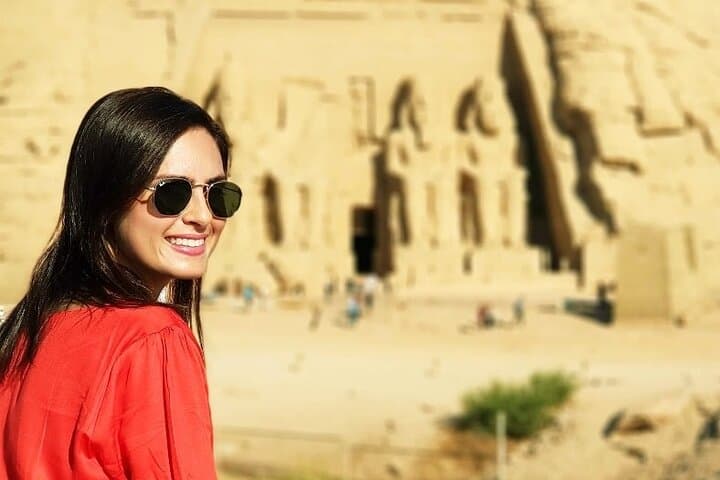
Float over Luxor at sunrise, cruise the Nile between Karnak and Philae, and stand beneath Abu Simbel’s carved colossi. This nine-day loop links Cairo’s pyramids with the river’s archaeological spine for an efficient, immersive taste of ancient Egypt.
Float over Luxor at sunrise, cruise the Nile between Karnak and Philae, and stand beneath Abu Simbel’s carved colossi. This nine-day loop links Cairo’s pyramids with the river’s archaeological spine for an efficient, immersive taste of ancient Egypt.
You awaken before dawn in Luxor as the balloon crew inflates a bright envelope that fills the sky. The Nile stretches beneath like a slow-moving ribbon, towns and temple roofs sliding past while the desert cliffs catch first light. For a moment the river seems to be carrying you downstream in reverse—history flowing beneath your basket.
Verified experiences and guided adventures in the surrounding area.
Operated by Bastet Travel · Cairo, Cairo
You awaken before dawn in Luxor as the balloon crew inflates a bright envelope that fills the sky. The Nile stretches beneath like a slow-moving ribbon, towns and temple roofs sliding past while the desert cliffs catch first light. For a moment the river seems to be carrying you downstream in reverse—history flowing beneath your basket.
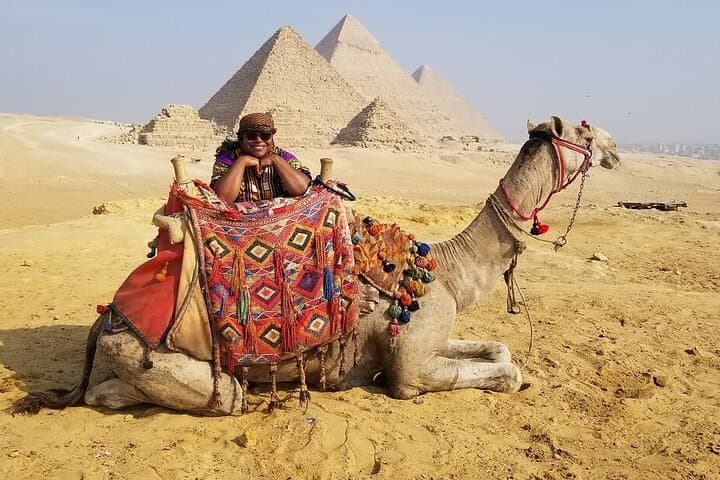
This nine-day itinerary stitches together Egypt’s major eras: the Old Kingdom pyramids at Giza, New Kingdom grandeur on Luxor’s east and west banks, and the monumental relocation story of Abu Simbel. Geology is literal here—sandstone cliffs that sheltered tomb builders, and the Nile’s floodplain that made dense agriculture and monumental stone carving possible. Local culture arrives in market calls, tea on a cruise sundeck, and the cadence of boat horns on the river.
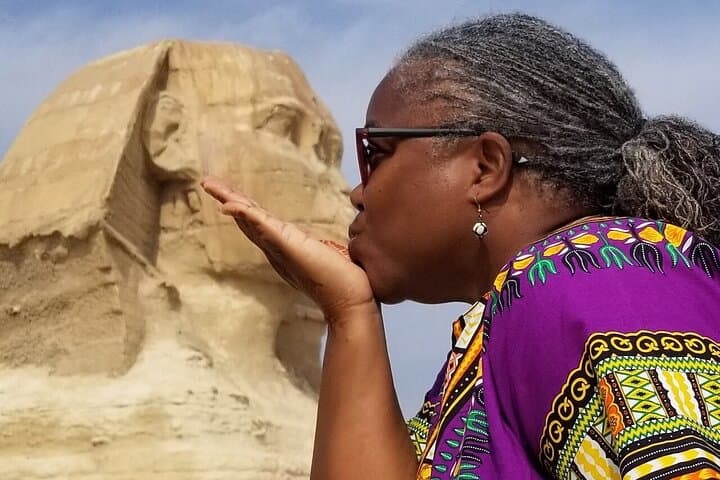
Logistics are straightforward but firm: two nights in Cairo (pyramid and Sphinx access), an overnight sleeper train to Luxor, a four-night, five-star Nile cruise between Luxor and Aswan (expect roughly 200–300 km of river travel with multiple temple stops), a sunrise hot-air balloon flight, and a dawn trip to Abu Simbel from Aswan. Expect repeated short walks, steps inside tombs, uneven stone surfaces, and early starts.
Practical tips: carry a small daypack, sun protection, comfortable walking shoes, and copies of your passport. Hydrate heavily in summer, allow extra time at archaeological sites for photography, and budget for site-entry fees and local tipping. The trip balances spectacle and logistics—ancient stones that still demand attention and careful planning.
moderate.
9 days (approx. 8 nights).
Suitable for travelers in average fitness who can walk 2–4 miles across uneven terrain and climb stairs; not recommended for those with limited mobility.
Yes—the tour includes a sunrise balloon flight in Luxor; typical flight duration is 45–60 minutes depending on conditions, with hotel or cruise pickup before dawn.
The itinerary includes overnight sleeper or first-class seated train options; sleepers improve comfort for longer journeys between Cairo and Luxor/Aswan.
Guides can usually accommodate dietary restrictions with advance notice; mobility limitations should be raised before booking since many sites involve stairs and uneven ground.
Sailing order can shift due to river conditions, but the operator schedules all listed sites during the tour even if the sequence is adjusted.
The route threads Egypt’s central ancient corridor—from the Old Kingdom pyramids at Giza to the New Kingdom necropolis at Luxor and the New Kingdom-era temples relocated or conserved in Aswan.
River traffic and mass tourism strain Nile-side sites; follow site rules, avoid touching reliefs, and use local guides who support conservation fees and controlled access.
Bastet Travel operates guided outdoor trips and adventures with an emphasis on safety, stewardship, and memorable experiences.

You awaken before dawn in Luxor as the balloon crew inflates a bright envelope that fills the sky. The Nile stretches beneath like a slow-moving ribbon, towns and temple roofs sliding past while the desert cliffs catch first light. For a moment the river seems to be carrying you downstream in reverse—history flowing beneath your basket.
You awaken before dawn in Luxor as the balloon crew inflates a bright envelope that fills the sky. The Nile stretches beneath like a slow-moving ribbon, towns and temple roofs sliding past while the desert cliffs catch first light. For a moment the river seems to be carrying you downstream in reverse—history flowing beneath your basket.
This nine-day itinerary stitches together Egypt’s major eras: the Old Kingdom pyramids at Giza, New Kingdom grandeur on Luxor’s east and west banks, and the monumental relocation story of Abu Simbel. Geology is literal here—sandstone cliffs that sheltered tomb builders, and the Nile’s floodplain that made dense agriculture and monumental stone carving possible. Local culture arrives in market calls, tea on a cruise sundeck, and the cadence of boat horns on the river.
Logistics are straightforward but firm: two nights in Cairo (pyramid and Sphinx access), an overnight sleeper train to Luxor, a four-night, five-star Nile cruise between Luxor and Aswan (expect roughly 200–300 km of river travel with multiple temple stops), a sunrise hot-air balloon flight, and a dawn trip to Abu Simbel from Aswan. Expect repeated short walks, steps inside tombs, uneven stone surfaces, and early starts.
Practical tips: carry a small daypack, sun protection, comfortable walking shoes, and copies of your passport. Hydrate heavily in summer, allow extra time at archaeological sites for photography, and budget for site-entry fees and local tipping. The trip balances spectacle and logistics—ancient stones that still demand attention and careful planning.