THE ADVENTURE COLLECTIVE® · Independent discovery and booking for outdoor travel

Traverse Egypt’s highlights on a nine‑day circuit: Cairo’s museums and bazaars, a sleeper train to Aswan, and a three‑night Nile cruise past Kom Ombo, Edfu and Luxor’s temples. Expect long culture‑heavy days, easy physical demand, and unforgettable riverside sunsets.
Traverse Egypt’s highlights on a nine‑day circuit: Cairo’s museums and bazaars, a sleeper train to Aswan, and a three‑night Nile cruise past Kom Ombo, Edfu and Luxor’s temples. Expect long culture‑heavy days, easy physical demand, and unforgettable riverside sunsets.
The air in Cairo is warm and dusty as the first day begins with the city’s skyline sliced by minarets; by mid-trip the Nile becomes both highway and horizon, pushing the cruise forward as towns and temple columns slip past.
Verified experiences and guided adventures in the surrounding area.
Operated by Egypt Tours Club · Cairo, Cairo Governorate
The air in Cairo is warm and dusty as the first day begins with the city’s skyline sliced by minarets; by mid-trip the Nile becomes both highway and horizon, pushing the cruise forward as towns and temple columns slip past.
This nine-day loop pairs urban Cairo with a three-night Nile cruise between Aswan and Luxor. Travelers move through millennia: Pharaonic necropolises at Saqqara and the Valley of the Kings, Greco-Roman Alexandria, and the Ptolemaic and Pharaonic temples that line the river. Geology and hydrology are on display—the Nile’s alluvial plain supports settlements and temples while granite outcrops in Aswan supplied the stone for obelisks and statues.
Local culture alternates between bustling bazaars in Khan el-Khalili and slow river life seen from a felucca. Egyptologists and local guides translate hieroglyphs into context; conservative dressing and respectful behavior inside religious and archaeological sites help preserve access.
Practical guidance: days are long with multiple transfers—expect hotel and sleeper-train logistics, guided entries, and timed ferry crossings. Temperatures vary sharply from daytime desert heat to cooler nights on the deck; sunscreen, a brimmed hat, and a light layer for evenings on the Nile are essential. Walking surfaces include packed sand, stone plazas, and uneven temple steps; comfortable, grippy shoes matter more than style. Stay hydrated and carry photocopies of your passport; many museums and temples enforce bag checks. Plan optional side trips—Abu Simbel requires an early start but rewards with monumental temple facades—and budget time to absorb the scale of Karnak and Luxor rather than rush from monument to monument.
moderate.
9 days.
Suitable for travelers in average fitness: includes walking on uneven ground, stairs and multi-hour touring days but no technical exertion.
Yes—the program includes a three‑night Nile cruise covering Aswan to Luxor with onboard meals and scheduled temple visits.
Entrance fees to the programmed sites and a qualified Egyptologist guide are included as described in the itinerary.
Abu Simbel is an optional early morning excursion from Aswan that requires extra time and sometimes an additional fee—ask in advance to reserve seats.
The tour is labeled suitable for all fitness levels but involves stairs, uneven surfaces and boat boarding; travelers with mobility needs should notify the operator before booking.
The Nile Valley supported pharaonic civilization for millennia; many temples and tombs line the river because kings positioned monuments to link the living world with the afterlife via the Nile.
Tourism pressures and water usage challenge archaeological sites and local resources—use refillable water, follow site rules, and avoid touching reliefs to minimize impact.
Egypt Tours Club operates guided outdoor trips and adventures with an emphasis on safety, stewardship, and memorable experiences.
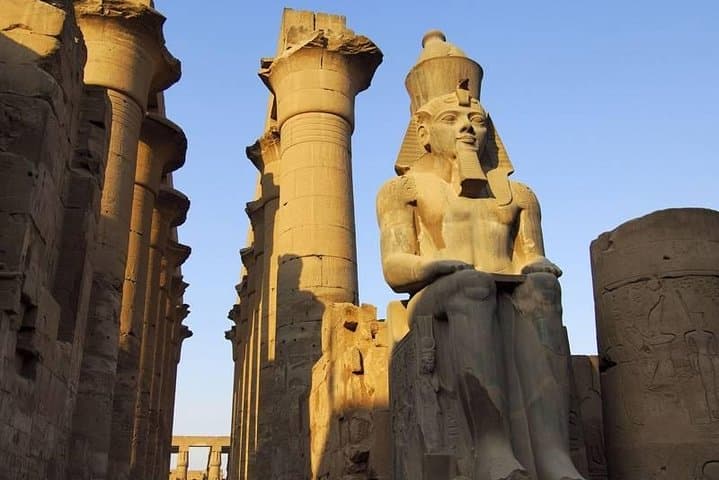
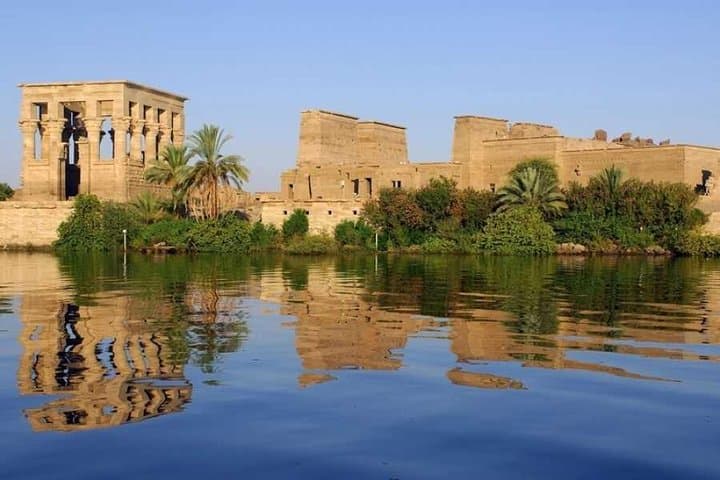
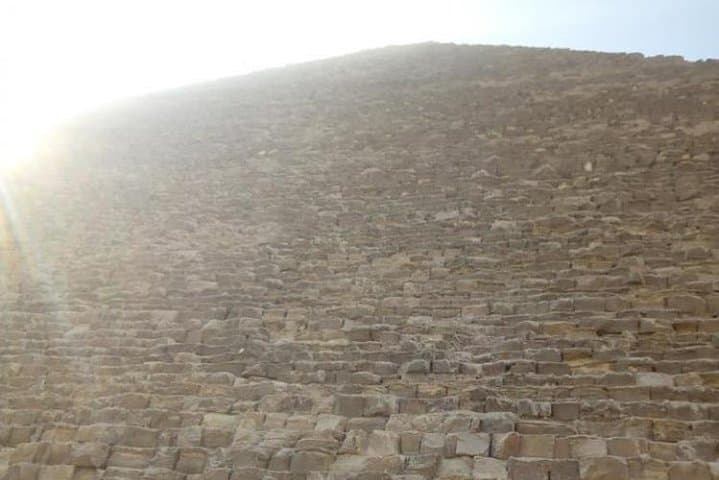
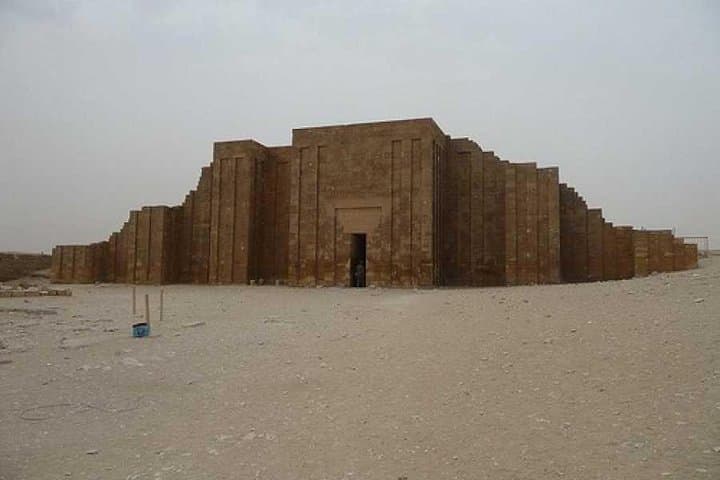
The air in Cairo is warm and dusty as the first day begins with the city’s skyline sliced by minarets; by mid-trip the Nile becomes both highway and horizon, pushing the cruise forward as towns and temple columns slip past.
The air in Cairo is warm and dusty as the first day begins with the city’s skyline sliced by minarets; by mid-trip the Nile becomes both highway and horizon, pushing the cruise forward as towns and temple columns slip past.
This nine-day loop pairs urban Cairo with a three-night Nile cruise between Aswan and Luxor. Travelers move through millennia: Pharaonic necropolises at Saqqara and the Valley of the Kings, Greco-Roman Alexandria, and the Ptolemaic and Pharaonic temples that line the river. Geology and hydrology are on display—the Nile’s alluvial plain supports settlements and temples while granite outcrops in Aswan supplied the stone for obelisks and statues.
Local culture alternates between bustling bazaars in Khan el-Khalili and slow river life seen from a felucca. Egyptologists and local guides translate hieroglyphs into context; conservative dressing and respectful behavior inside religious and archaeological sites help preserve access.
Practical guidance: days are long with multiple transfers—expect hotel and sleeper-train logistics, guided entries, and timed ferry crossings. Temperatures vary sharply from daytime desert heat to cooler nights on the deck; sunscreen, a brimmed hat, and a light layer for evenings on the Nile are essential. Walking surfaces include packed sand, stone plazas, and uneven temple steps; comfortable, grippy shoes matter more than style. Stay hydrated and carry photocopies of your passport; many museums and temples enforce bag checks. Plan optional side trips—Abu Simbel requires an early start but rewards with monumental temple facades—and budget time to absorb the scale of Karnak and Luxor rather than rush from monument to monument.