THE ADVENTURE COLLECTIVE® · Independent discovery and booking for outdoor travel

Move from Cairo’s pyramids to the slow sweep of the Nile on a nine-day classic that pairs sleeper trains with a five-star cruise. Expect concentrated temple visits, guided logistics and relaxed river time between Luxor and Aswan.
Move from Cairo’s pyramids to the slow sweep of the Nile on a nine-day classic that pairs sleeper trains with a five-star cruise. Expect concentrated temple visits, guided logistics and relaxed river time between Luxor and Aswan.
Morning light hits the limestone face of the Great Pyramid as a city rouses beneath it — a different wake-up than any European hotel. On this nine-day loop, travelers move from Cairo’s crowded streets and museum halls into the slow-motion rhythm of the Nile, sleeping aboard a five-star cruise as riverbanks slide by like film.
Verified experiences and guided adventures in the surrounding area.
Operated by Khaled Abbass Tour Guide · Cairo, Cairo Governorate
Morning light hits the limestone face of the Great Pyramid as a city rouses beneath it — a different wake-up than any European hotel. On this nine-day loop, travelers move from Cairo’s crowded streets and museum halls into the slow-motion rhythm of the Nile, sleeping aboard a five-star cruise as riverbanks slide by like film.
The route stitches together eras: the Old Kingdom’s pyramid fields at Giza, the concentrated graves of the New Kingdom in the Valley of the Kings, and the stately temples of Luxor and Karnak built on cut sandstone and bedrock. Geology and history are visible in the same frame — Nile silt built the agricultural plains while wind-polished desert created the platform for massive stonework. Coptic quarters, Khan al-Khalili bazaar and the Nubian-influenced culture around Aswan add layers of living culture to monument visits.
Practically, expect long days of guided visits interleaved with relaxed cruise time. Sleep in a sleeper train and a deluxe cruise cabin; pace is steady but involves multiple transfers. Wear broken-in walking shoes for uneven stone floors, carry sun protection, and use a secure document pouch for passport and train tickets. Hydrate between temple visits; the Nile sometimes seems to nudge you forward, and the sun will make its presence felt.
Timing visits for early mornings or late afternoons reduces heat and crowds. Guides handle entry logistics and many entrance fees are included, but small notes for drivers, guides and local staff are customary. This itinerary blends archaeology, river travel and practical comfort — classic Egypt seen with logistical polish.
moderate.
9 days.
Suitable for travelers in average fitness with ability to walk 1–3 miles on uneven surfaces daily and climb short staircases.
Egyptian sleeper trains on this route are widely used by tourists; cabins are compact but secure, staff provide bedding and the operator arranges platform assistance.
Most major entrance fees listed in the itinerary — pyramids, Egyptian Museum, Valley of the Kings and temples — are included, but confirm which specific tombs or optional exhibits may require extra payment.
Expect moderate walking across uneven stone, staircases in temples and some short walks between docks and sites; minimal technical ability required but mobility constraints should be discussed with the operator in advance.
Travelers usually require an Egyptian entry visa and up-to-date routine vaccinations; check your government guidance and consult a travel clinic for personalized advice.
This route traces ancient Egypt’s political and religious centers — from Old Kingdom pyramids near Cairo to New Kingdom tombs clustered in Luxor, with Aswan’s quarries and temples key to stone supply and Nile trade.
Increased tourism and water management (Aswan High Dam) have altered local ecosystems and archaeological contexts; travelers should follow local guidance, avoid touching fragile reliefs and support licensed guides and boat operators.
Khaled Abbass Tour Guide operates guided outdoor trips and adventures with an emphasis on safety, stewardship, and memorable experiences.
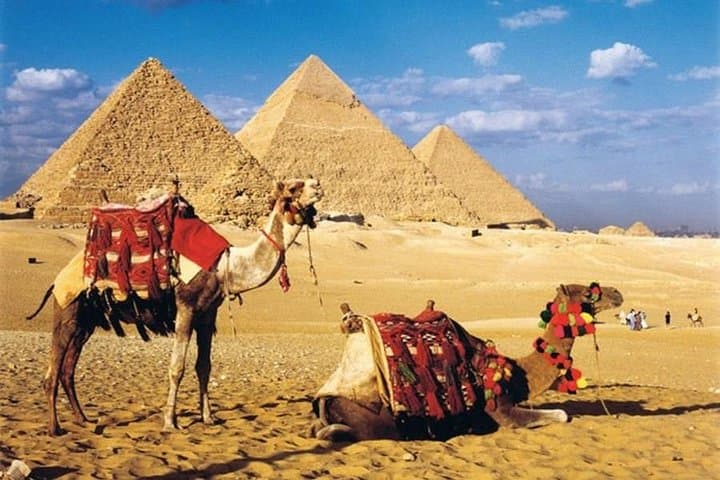

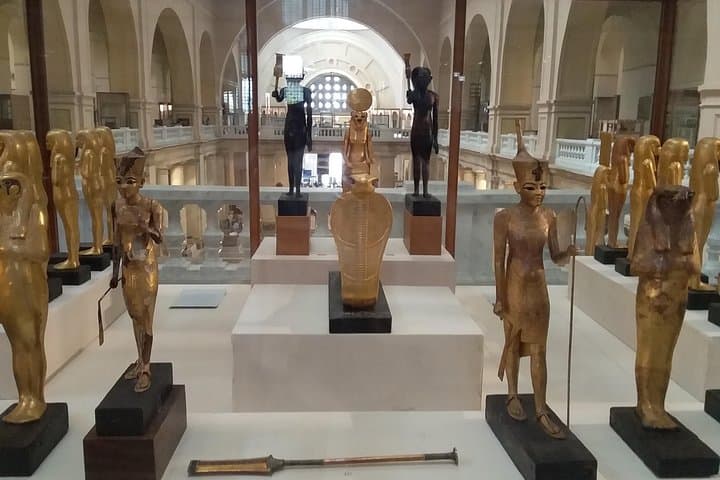

Morning light hits the limestone face of the Great Pyramid as a city rouses beneath it — a different wake-up than any European hotel. On this nine-day loop, travelers move from Cairo’s crowded streets and museum halls into the slow-motion rhythm of the Nile, sleeping aboard a five-star cruise as riverbanks slide by like film.
Morning light hits the limestone face of the Great Pyramid as a city rouses beneath it — a different wake-up than any European hotel. On this nine-day loop, travelers move from Cairo’s crowded streets and museum halls into the slow-motion rhythm of the Nile, sleeping aboard a five-star cruise as riverbanks slide by like film.
The route stitches together eras: the Old Kingdom’s pyramid fields at Giza, the concentrated graves of the New Kingdom in the Valley of the Kings, and the stately temples of Luxor and Karnak built on cut sandstone and bedrock. Geology and history are visible in the same frame — Nile silt built the agricultural plains while wind-polished desert created the platform for massive stonework. Coptic quarters, Khan al-Khalili bazaar and the Nubian-influenced culture around Aswan add layers of living culture to monument visits.
Practically, expect long days of guided visits interleaved with relaxed cruise time. Sleep in a sleeper train and a deluxe cruise cabin; pace is steady but involves multiple transfers. Wear broken-in walking shoes for uneven stone floors, carry sun protection, and use a secure document pouch for passport and train tickets. Hydrate between temple visits; the Nile sometimes seems to nudge you forward, and the sun will make its presence felt.
Timing visits for early mornings or late afternoons reduces heat and crowds. Guides handle entry logistics and many entrance fees are included, but small notes for drivers, guides and local staff are customary. This itinerary blends archaeology, river travel and practical comfort — classic Egypt seen with logistical polish.