THE ADVENTURE COLLECTIVE® · Independent discovery and booking for outdoor travel

From Cairo’s pyramids to a classic Nile cruise between Aswan and Luxor and a Red Sea finish in Hurghada, this nine-day circuit pairs world-class archaeology with seaside downtime. Expect long travel days, early starts, and a packed cultural itinerary.
From Cairo’s pyramids to a classic Nile cruise between Aswan and Luxor and a Red Sea finish in Hurghada, this nine-day circuit pairs world-class archaeology with seaside downtime. Expect long travel days, early starts, and a packed cultural itinerary.
You step out into Cairo’s dry dawn and the city folds around the highway—minarets in silhouette, traffic already swallowing distance. Within hours you’ll trade that urban pulse for the Nile’s slow current: a traditional felucca’s memory beneath the cruise’s modern deck, the river daring you to slow down and look.
Verified experiences and guided adventures in the surrounding area.
Operated by Egypt Best Day Tours · Cairo, Cairo Governorate
You step out into Cairo’s dry dawn and the city folds around the highway—minarets in silhouette, traffic already swallowing distance. Within hours you’ll trade that urban pulse for the Nile’s slow current: a traditional felucca’s memory beneath the cruise’s modern deck, the river daring you to slow down and look.
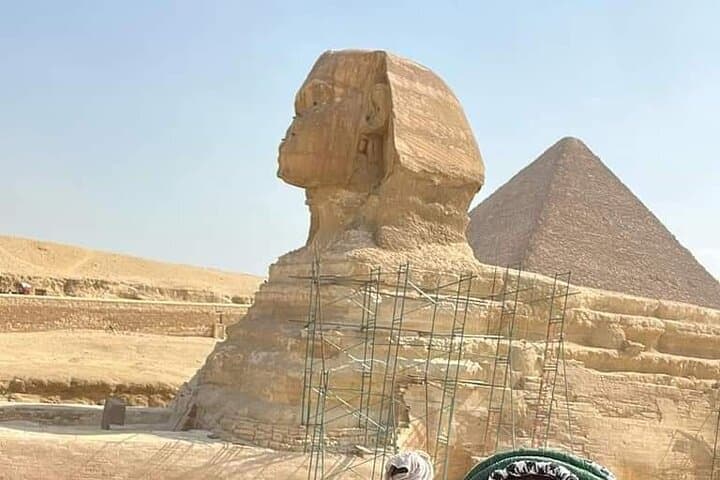
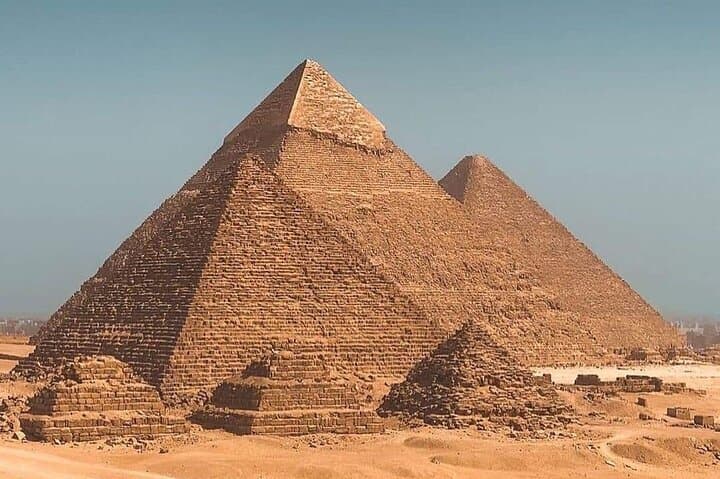
This nine-day loop threads the great chapters of Pharaonic Egypt — Giza’s pyramids and the Sphinx, Djoser’s stepped tomb at Saqqara, Ramses II’s rock-cut faces at Abu Simbel — with the living geology of the Nile valley: alluvial banks that made agriculture and pharaonic civilization possible. Luxor’s Karnak and the West Bank necropolises reveal funerary architecture carved into limestone and sandstone; Kom Ombo and Edfu speak to localized cults of Sobek and Horus. The itinerary finishes with the Red Sea coast at Hurghada, where coral gardens and clear water contrast the river’s brown ribbon.
Culturally, expect layered narratives: Coptic churches in Old Cairo, Ottoman-era citadels, and a long tradition of riverine life. Local guides typically offer archaeological context and practical navigation of markets and sites.
Practical guidance: plan early starts to avoid mid-day heat at open-air ruins and carry a daypack with water, sun protection and comfortable walking shoes for uneven stone and steps. Domestic flights and long road transfers are part of the rhythm—pack light for cruise cabins and allow at least one flexible day for snorkeling or rest at Hurghada. Hydrate steadily, use layered clothing for cool mornings and hot afternoons, and book site tickets in advance when possible to minimize wait time.
moderate.
9 days.
Light-to-moderate fitness: able to walk on uneven stone, climb stairs, and endure full days of touring with some transit time.
Many nationalities require a visa for Egypt—check current embassy rules and obtain a visa or e-Visa before travel if required.
Some entrance fees are not included in standard tour pricing; confirm with the operator which sites require separate tickets or upgrades.
The itinerary lists wheelchair-accessible options, but many archaeological sites have uneven surfaces and steps—discuss specific needs with the operator in advance.
Tipping guides, drivers and service staff is customary; carry small bills in local currency and follow suggested gratuity guidelines from your guide.
This route traces the Nile corridor that supported ancient Egyptian civilization; temples and tombs reflect thousands of years of pharaonic, Greco-Roman and later Islamic history.
Preservation pressure from tourism and development is real—stick to marked paths at archaeological sites, avoid touching reliefs, and use reef-safe sunscreen while snorkeling.
Egypt Best Day Tours operates guided outdoor trips and adventures with an emphasis on safety, stewardship, and memorable experiences.

You step out into Cairo’s dry dawn and the city folds around the highway—minarets in silhouette, traffic already swallowing distance. Within hours you’ll trade that urban pulse for the Nile’s slow current: a traditional felucca’s memory beneath the cruise’s modern deck, the river daring you to slow down and look.
You step out into Cairo’s dry dawn and the city folds around the highway—minarets in silhouette, traffic already swallowing distance. Within hours you’ll trade that urban pulse for the Nile’s slow current: a traditional felucca’s memory beneath the cruise’s modern deck, the river daring you to slow down and look.
This nine-day loop threads the great chapters of Pharaonic Egypt — Giza’s pyramids and the Sphinx, Djoser’s stepped tomb at Saqqara, Ramses II’s rock-cut faces at Abu Simbel — with the living geology of the Nile valley: alluvial banks that made agriculture and pharaonic civilization possible. Luxor’s Karnak and the West Bank necropolises reveal funerary architecture carved into limestone and sandstone; Kom Ombo and Edfu speak to localized cults of Sobek and Horus. The itinerary finishes with the Red Sea coast at Hurghada, where coral gardens and clear water contrast the river’s brown ribbon.
Culturally, expect layered narratives: Coptic churches in Old Cairo, Ottoman-era citadels, and a long tradition of riverine life. Local guides typically offer archaeological context and practical navigation of markets and sites.
Practical guidance: plan early starts to avoid mid-day heat at open-air ruins and carry a daypack with water, sun protection and comfortable walking shoes for uneven stone and steps. Domestic flights and long road transfers are part of the rhythm—pack light for cruise cabins and allow at least one flexible day for snorkeling or rest at Hurghada. Hydrate steadily, use layered clothing for cool mornings and hot afternoons, and book site tickets in advance when possible to minimize wait time.