THE ADVENTURE COLLECTIVE® · Independent discovery and booking for outdoor travel

A compact 9-day circuit from Cairo to Alexandria that combines the Pyramids, a night under the chalk formations of the White Desert, UNESCO-listed Wadi El Hitan and WWII sites at El Alamein. Expect long drives, varied terrain and authentic local stays.
A compact 9-day circuit from Cairo to Alexandria that combines the Pyramids, a night under the chalk formations of the White Desert, UNESCO-listed Wadi El Hitan and WWII sites at El Alamein. Expect long drives, varied terrain and authentic local stays.
You step out of Cairo’s airport into a warm wind that smells faintly of jasmine and diesel, and the city unfurls—honking streets, street-food grills, and the long, low silhouette of the Nile in the distance. Within two days you’ll trade the urban pulse for salt flats and chalk sentries: by sunset in the White Desert, chalk and limestone mushrooms take on an almost animated quality as the sky pushes colors across them.
Verified experiences and guided adventures in the surrounding area.
Operated by Marsa Alam Tours · Cairo, Cairo Governorate
You step out of Cairo’s airport into a warm wind that smells faintly of jasmine and diesel, and the city unfurls—honking streets, street-food grills, and the long, low silhouette of the Nile in the distance. Within two days you’ll trade the urban pulse for salt flats and chalk sentries: by sunset in the White Desert, chalk and limestone mushrooms take on an almost animated quality as the sky pushes colors across them.
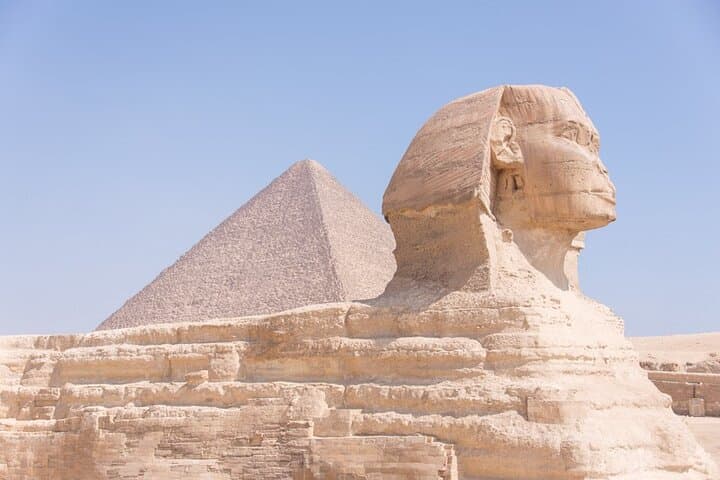
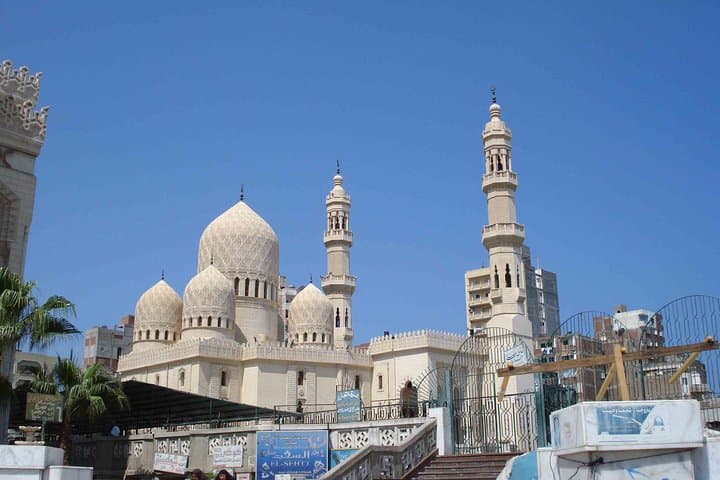
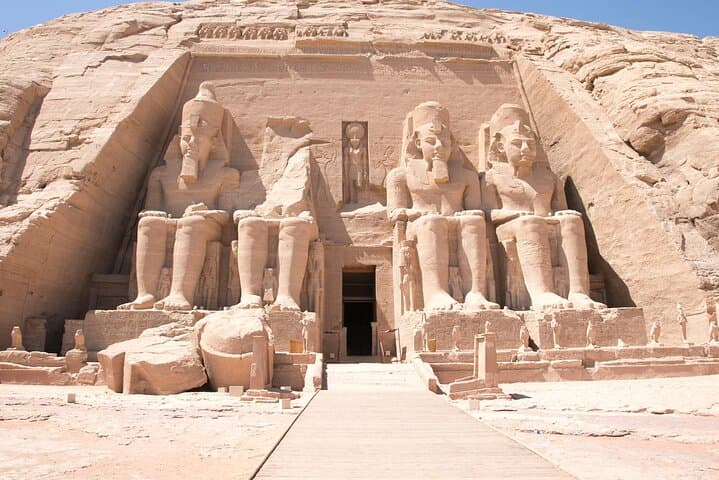
This nine-day route threads major chapters of Egyptian history and landscape: the Old Kingdom’s pyramids and the Egyptian Museum in Cairo; Pharaonic and Greco-Roman layers in Alexandria; WWII sites at El Alamein; and deep-time geology in Wadi El Hitan, a UNESCO site where 40-million-year-old whale fossils record an ancient sea. Bahariya and Fayoum oases add palm groves, salt lakes and a living Bedouin culture that supports desert camping and simple ecolodges.
Practically, expect long drives (Cairo–Bahariya ≈ 350 km, 4–5 hours; Alexandria ≈ 220 km, 3 hours) and a mix of hotel nights and one desert-camp overnight. Most entrance fees and some meals are included; bring passport copies for museum and park entry. Desert days mean early starts, strong sun, and bumpy 4x4 tracks—pack layers, sun protection and a reliable water bottle. Be ready for basic camping comforts and locally guided walks amid fragile fossil beds—leave no trace. Timing your visit in spring or autumn gives milder temperatures for daytime exploration while summer brings intense heat in the Western Desert.
moderate.
9 days.
Suitable for travelers with average fitness who can handle multiple full travel days, some walking on uneven desert surfaces, and short hikes at fossil sites.
Most visitors require a visa; check your nationality-specific entry rules before travel—visas can often be obtained on arrival or online through official channels.
Camping is basic but comfortable: Bedouin-style canvas tents or simple camps with sleeping mats and communal meals; expect limited facilities and bring personal toiletries.
The itinerary includes many entrance fees (Pyramids, White Desert, Wadi El Hitan), but some optional areas—like the Egyptian Museum’s mummies room—may have additional fees not covered.
The tour lists wheelchair accessibility for some parts but desert terrain and 4x4 excursions are uneven; travelers with major mobility limitations should consult the operator in advance.
This route stitches Pharaonic monuments, Greco-Roman Alexandria and modern history at El Alamein, with the Western Desert recording ancient seas and early whale evolution.
Wadi El Hitan is a UNESCO World Heritage site—visitors should avoid disturbing fossils and support local conservation by following marked paths and using licensed guides.
Marsa Alam Tours operates guided outdoor trips and adventures with an emphasis on safety, stewardship, and memorable experiences.

You step out of Cairo’s airport into a warm wind that smells faintly of jasmine and diesel, and the city unfurls—honking streets, street-food grills, and the long, low silhouette of the Nile in the distance. Within two days you’ll trade the urban pulse for salt flats and chalk sentries: by sunset in the White Desert, chalk and limestone mushrooms take on an almost animated quality as the sky pushes colors across them.
You step out of Cairo’s airport into a warm wind that smells faintly of jasmine and diesel, and the city unfurls—honking streets, street-food grills, and the long, low silhouette of the Nile in the distance. Within two days you’ll trade the urban pulse for salt flats and chalk sentries: by sunset in the White Desert, chalk and limestone mushrooms take on an almost animated quality as the sky pushes colors across them.
This nine-day route threads major chapters of Egyptian history and landscape: the Old Kingdom’s pyramids and the Egyptian Museum in Cairo; Pharaonic and Greco-Roman layers in Alexandria; WWII sites at El Alamein; and deep-time geology in Wadi El Hitan, a UNESCO site where 40-million-year-old whale fossils record an ancient sea. Bahariya and Fayoum oases add palm groves, salt lakes and a living Bedouin culture that supports desert camping and simple ecolodges.
Practically, expect long drives (Cairo–Bahariya ≈ 350 km, 4–5 hours; Alexandria ≈ 220 km, 3 hours) and a mix of hotel nights and one desert-camp overnight. Most entrance fees and some meals are included; bring passport copies for museum and park entry. Desert days mean early starts, strong sun, and bumpy 4x4 tracks—pack layers, sun protection and a reliable water bottle. Be ready for basic camping comforts and locally guided walks amid fragile fossil beds—leave no trace. Timing your visit in spring or autumn gives milder temperatures for daytime exploration while summer brings intense heat in the Western Desert.