THE ADVENTURE COLLECTIVE® · Independent discovery and booking for outdoor travel

A nine-day circuit through Egypt that pairs Cairo’s ancient monuments with the lunar formations of the White Desert and the coastal heritage of Alexandria. Expect long transfers, desert camping, and UNESCO fossil fields.
A nine-day circuit through Egypt that pairs Cairo’s ancient monuments with the lunar formations of the White Desert and the coastal heritage of Alexandria. Expect long transfers, desert camping, and UNESCO fossil fields.
The sun has not yet thrown the Nile bridge into relief when you arrive in Cairo; the city exhales diesel and incense, and the Great Pyramid waits on the horizon like an immovable plan. Over nine days this itinerary moves from frenetic Cairo to the otherworldly chalk sculptures of the White Desert, then folds north to Alexandria’s coast and back through Fayoum’s fossil fields—an arc that stitches Pharaonic monuments, WWII cemeteries, and fossil beds into one practical route.
Verified experiences and guided adventures in the surrounding area.
Operated by Excursies Egypte-Day Tours · Cairo, Cairo Governorate
The sun has not yet thrown the Nile bridge into relief when you arrive in Cairo; the city exhales diesel and incense, and the Great Pyramid waits on the horizon like an immovable plan. Over nine days this itinerary moves from frenetic Cairo to the otherworldly chalk sculptures of the White Desert, then folds north to Alexandria’s coast and back through Fayoum’s fossil fields—an arc that stitches Pharaonic monuments, WWII cemeteries, and fossil beds into one practical route.
This route follows deep geological and human layers: Ptolemaic Alexandria on the Mediterranean, Cretaceous seabeds turned to Bahariya’s sculpted limestone, and Wadi El Hitan where 45-million-year-old whale skeletons tell a story of ancient seas. Cultural touchpoints range from the Egyptian Museum’s Tutankhamen treasures to El Alamein’s war cemeteries—sites that mark trade, empire, and conflict across millennia.
Expect long but comfortable transfers (Cairo–Bahariya ~4 hours, Alexandria ~3 hours) with short 4x4 excursions inside oases and protected areas. Camping in the White Desert is basic desert-camp style with bedouin support; nights are cold and remote. Practical notes: carry layered clothing for hot days and chilly nights, sun protection, and at least 3 liters of water for desert outings. Footwear should be sturdy for rocky outcrops and fossil fields; walking is moderate, mostly on uneven ground rather than sustained climbs.
Plan extra time for acclimatization, bring copies of documents, and respect protected sites—Wadi El Hitan is UNESCO-listed and fragile. With measured preparation, this trip rewards travelers with dramatic landscapes, deep history, and efficient logistics that let the country’s contrasts speak for themselves.
easy.
9 days.
Light to moderate fitness; able to handle short walks on uneven ground and occasional climbing over rocks.
Camping is basic but arranged by local bedouin teams; you’ll get sleeping mats and blankets but temperature varies—bring personal warm layers for nights.
Wadi El Hitan is a protected UNESCO site with regulated access—your tour includes necessary entrance fees and guided access to fossil displays.
Expect multi-hour transfers: Cairo–Bahariya ~4 hours, Cairo–Alexandria ~3 hours, and regional 4x4 transfers for desert and Fayoum excursions.
The program includes most breakfasts, lunches, dinners as listed and a mix of hotel nights in Cairo/Alexandria and desert camping nights—confirm specifics when booking.
The route threads millennia: Pharaonic necropolises in Giza, Ptolemaic and Roman Alexandria, WWII memorials at El Alamein, and Eocene fossil beds in Wadi El Hitan.
Wadi El Hitan and parts of the White Desert are protected; stick to marked paths, avoid collecting fossils, and follow guides to minimize impact.
Excursies Egypte-Day Tours operates guided outdoor trips and adventures with an emphasis on safety, stewardship, and memorable experiences.
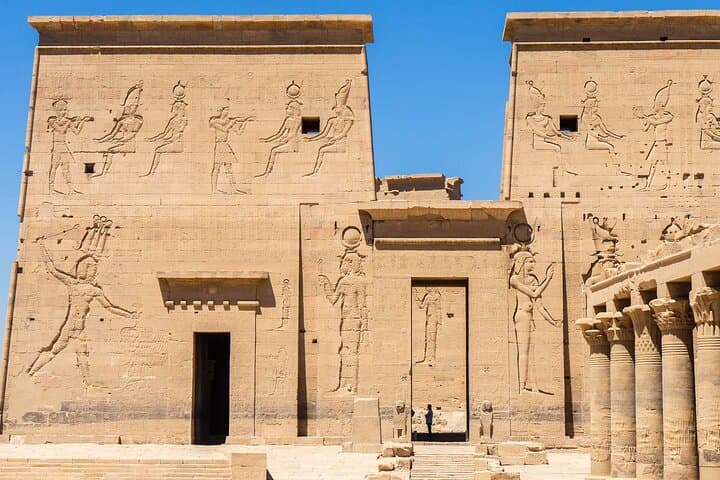
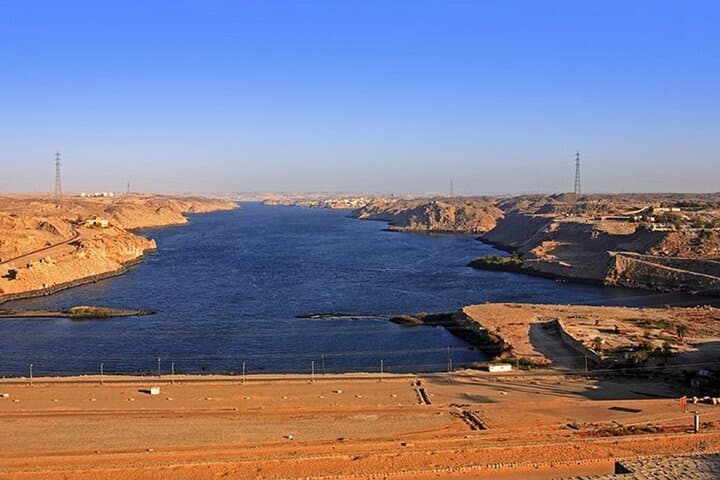
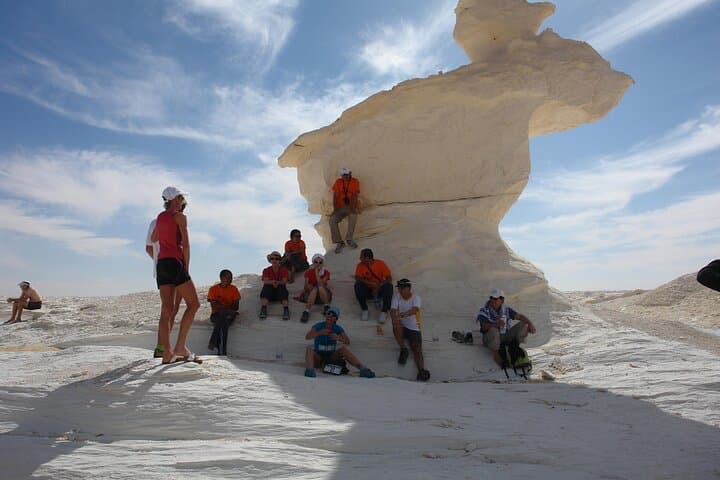
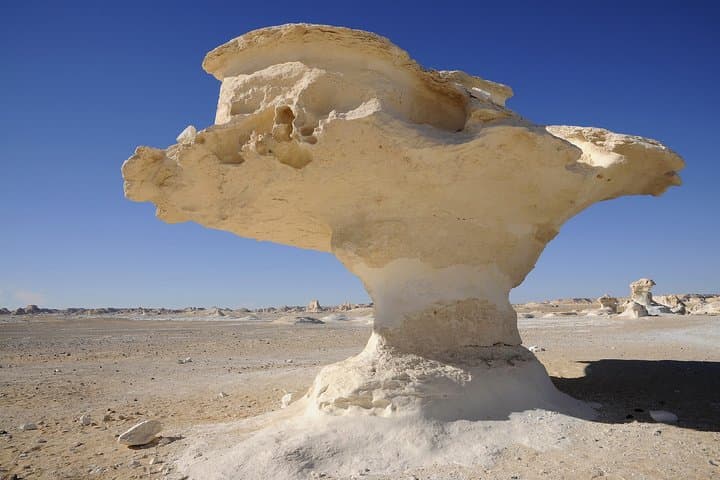
The sun has not yet thrown the Nile bridge into relief when you arrive in Cairo; the city exhales diesel and incense, and the Great Pyramid waits on the horizon like an immovable plan. Over nine days this itinerary moves from frenetic Cairo to the otherworldly chalk sculptures of the White Desert, then folds north to Alexandria’s coast and back through Fayoum’s fossil fields—an arc that stitches Pharaonic monuments, WWII cemeteries, and fossil beds into one practical route.
The sun has not yet thrown the Nile bridge into relief when you arrive in Cairo; the city exhales diesel and incense, and the Great Pyramid waits on the horizon like an immovable plan. Over nine days this itinerary moves from frenetic Cairo to the otherworldly chalk sculptures of the White Desert, then folds north to Alexandria’s coast and back through Fayoum’s fossil fields—an arc that stitches Pharaonic monuments, WWII cemeteries, and fossil beds into one practical route.
This route follows deep geological and human layers: Ptolemaic Alexandria on the Mediterranean, Cretaceous seabeds turned to Bahariya’s sculpted limestone, and Wadi El Hitan where 45-million-year-old whale skeletons tell a story of ancient seas. Cultural touchpoints range from the Egyptian Museum’s Tutankhamen treasures to El Alamein’s war cemeteries—sites that mark trade, empire, and conflict across millennia.
Expect long but comfortable transfers (Cairo–Bahariya ~4 hours, Alexandria ~3 hours) with short 4x4 excursions inside oases and protected areas. Camping in the White Desert is basic desert-camp style with bedouin support; nights are cold and remote. Practical notes: carry layered clothing for hot days and chilly nights, sun protection, and at least 3 liters of water for desert outings. Footwear should be sturdy for rocky outcrops and fossil fields; walking is moderate, mostly on uneven ground rather than sustained climbs.
Plan extra time for acclimatization, bring copies of documents, and respect protected sites—Wadi El Hitan is UNESCO-listed and fragile. With measured preparation, this trip rewards travelers with dramatic landscapes, deep history, and efficient logistics that let the country’s contrasts speak for themselves.