THE ADVENTURE COLLECTIVE® · Independent discovery and booking for outdoor travel

A nine-day circuit that pairs Cairo’s monumental archaeology with a multi-night Nile cruise between Luxor and Aswan, capped by Abu Simbel. Expect long walking days, hot sun, and guided site visits that bring pharaonic history to life.
A nine-day circuit that pairs Cairo’s monumental archaeology with a multi-night Nile cruise between Luxor and Aswan, capped by Abu Simbel. Expect long walking days, hot sun, and guided site visits that bring pharaonic history to life.
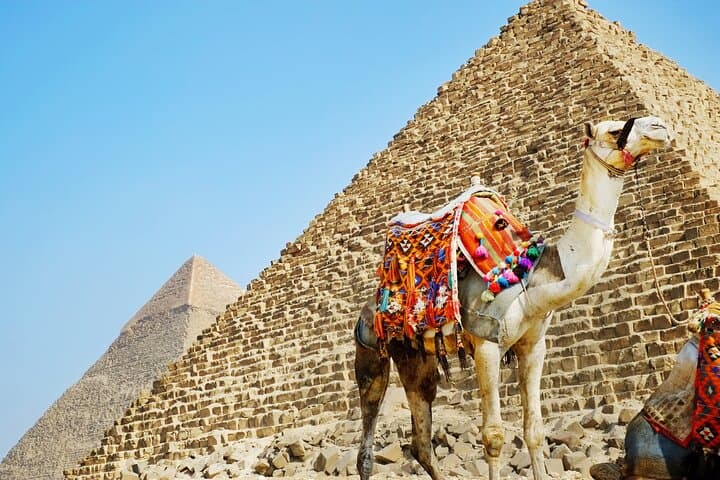
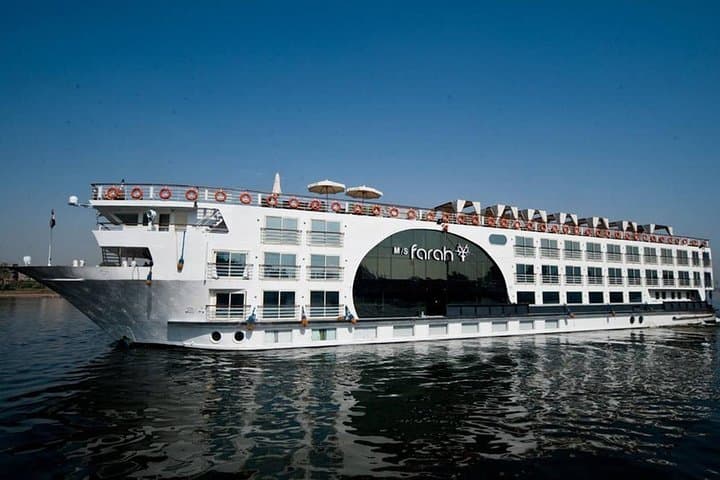
The day begins under a wide Egyptian sky as Cairo’s dust and diesel give way to the flat, ochre silhouette of the Giza Plateau. Travelers emerge from the city into the scale of stone—pyramids rising like engineered horizons—and later board a sleek Nile cruise where the river nudges the itinerary forward with a steady current.
Verified experiences and guided adventures in the surrounding area.
Operated by Egypt Travel Line · Cairo, Cairo Governorate
The day begins under a wide Egyptian sky as Cairo’s dust and diesel give way to the flat, ochre silhouette of the Giza Plateau. Travelers emerge from the city into the scale of stone—pyramids rising like engineered horizons—and later board a sleek Nile cruise where the river nudges the itinerary forward with a steady current.
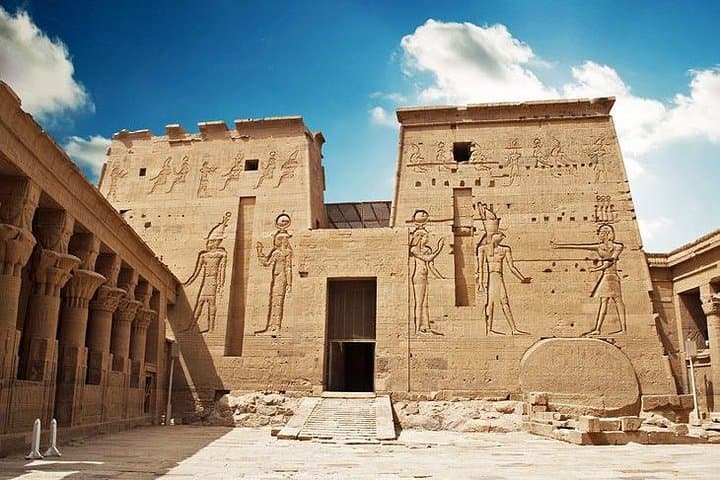
This route threads together millennia: Old Kingdom tomb-builders at Giza and Saqqara (c. 2600–2300 BCE), New Kingdom grandeur in Luxor’s Karnak and the Valley of the Kings, and the Ptolemaic-era temples of Edfu and Kom Ombo. Geologically, the Nile’s annual floodplain carved the lifeline of Upper Egypt while Aswan’s granite supplied colossal statues; Abu Simbel itself was relocated in the 1960s to escape Lake Nasser’s rising waters.
Culturally, expect layered Cairo neighborhoods—Coptic churches, Islamic bazaars—and disciplined archaeological sites where licensed Egyptologists interpret pharaonic iconography. The Nile cruise offers multi-night comfort and shore excursions; overland transfers connect flight segments, minimizing daily baggage moves.
Practical guidance: plan for long walking days on uneven stone and sandy terrain, daytime heat (especially April–October), and security checkpoints at major sites. Carry sun protection, comfortable closed-toe shoes, and local currency for small purchases and tips. Book museums and temple visits early in the morning to avoid crowds and heat. Respect local dress norms at religious sites, and allow flexible time—traffic and customs can add delays. With measured pacing this nine-day circuit balances high-impact sights with the slow-motion pleasure of river travel.
moderate.
9 days.
Moderate fitness recommended—capable of multiple days of walking up to 3–6 hours with brief standing at exhibits.
Entry fees vary and are often not included in group tour pricing; check the itinerary and confirm with the operator before arrival.
The tour is moderate—expect hours of walking and standing each day across archaeological sites; minimal technical exertion but extended days.
This itinerary includes flights between Cairo and Luxor/Aswan segments as noted—confirm exact flight times at booking.
Many Nile cruise ships have stairs and limited elevator access; the operator lists wheelchair accessibility options but check specific vessel details if mobility is a concern.
This route follows Egypt’s historic north–south axis—Cairo’s Old Kingdom monuments and Upper Egypt’s New Kingdom complexes reflect successive phases of pharaonic power and the Nile’s role as a transport and cultural corridor.
Site conservation is active but fragile; avoid touching bas-reliefs and follow marked paths to limit erosion and wear on ancient stone.
Egypt Travel Line operates guided outdoor trips and adventures with an emphasis on safety, stewardship, and memorable experiences.
The day begins under a wide Egyptian sky as Cairo’s dust and diesel give way to the flat, ochre silhouette of the Giza Plateau. Travelers emerge from the city into the scale of stone—pyramids rising like engineered horizons—and later board a sleek Nile cruise where the river nudges the itinerary forward with a steady current.
The day begins under a wide Egyptian sky as Cairo’s dust and diesel give way to the flat, ochre silhouette of the Giza Plateau. Travelers emerge from the city into the scale of stone—pyramids rising like engineered horizons—and later board a sleek Nile cruise where the river nudges the itinerary forward with a steady current.
This route threads together millennia: Old Kingdom tomb-builders at Giza and Saqqara (c. 2600–2300 BCE), New Kingdom grandeur in Luxor’s Karnak and the Valley of the Kings, and the Ptolemaic-era temples of Edfu and Kom Ombo. Geologically, the Nile’s annual floodplain carved the lifeline of Upper Egypt while Aswan’s granite supplied colossal statues; Abu Simbel itself was relocated in the 1960s to escape Lake Nasser’s rising waters.
Culturally, expect layered Cairo neighborhoods—Coptic churches, Islamic bazaars—and disciplined archaeological sites where licensed Egyptologists interpret pharaonic iconography. The Nile cruise offers multi-night comfort and shore excursions; overland transfers connect flight segments, minimizing daily baggage moves.
Practical guidance: plan for long walking days on uneven stone and sandy terrain, daytime heat (especially April–October), and security checkpoints at major sites. Carry sun protection, comfortable closed-toe shoes, and local currency for small purchases and tips. Book museums and temple visits early in the morning to avoid crowds and heat. Respect local dress norms at religious sites, and allow flexible time—traffic and customs can add delays. With measured pacing this nine-day circuit balances high-impact sights with the slow-motion pleasure of river travel.