THE ADVENTURE COLLECTIVE® · Independent discovery and booking for outdoor travel

A classic nine-day private loop through Kenya’s top parks — Maasai Mara, Nakuru, Naivasha, Amboseli and Tsavo — that pairs high-density wildlife viewing with varied landscapes from alkaline lakes to Kilimanjaro backdrops. Practical, guided, and lodge-based: ideal for first-time safari travelers who want consolidated access to East Africa’s iconic wildlife.
A classic nine-day private loop through Kenya’s top parks — Maasai Mara, Nakuru, Naivasha, Amboseli and Tsavo — that pairs high-density wildlife viewing with varied landscapes from alkaline lakes to Kilimanjaro backdrops. Practical, guided, and lodge-based: ideal for first-time safari travelers who want consolidated access to East Africa’s iconic wildlife.
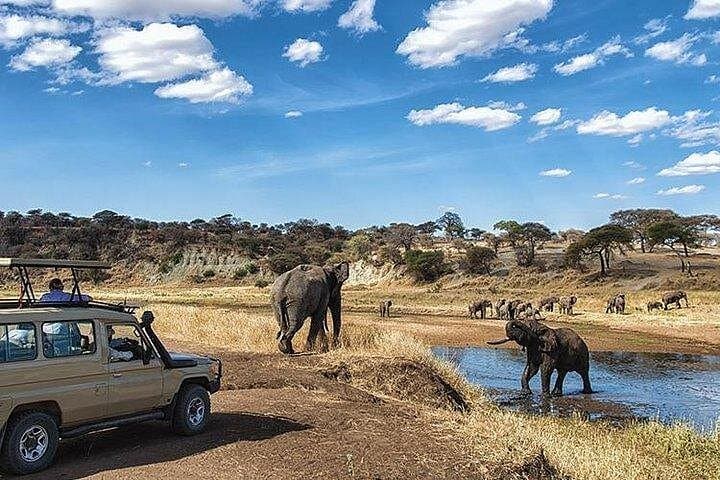
You step out of Nairobi’s pre-dawn hush into a 4x4 that smells of dust and strong coffee, headlights carving a path toward the wide plains. By midmorning the land opens: the Maasai Mara’s grasses dare you to stay motionless while lions pad through a bronze haze; Lake Nakuru’s rims shimmer with flamingo-pink reflections; Amboseli waits under the slow, snow-capped stare of Kilimanjaro.
Verified experiences and guided adventures in the surrounding area.
Operated by Gracepatt Safaris · Nairobi, Nairobi County
You step out of Nairobi’s pre-dawn hush into a 4x4 that smells of dust and strong coffee, headlights carving a path toward the wide plains. By midmorning the land opens: the Maasai Mara’s grasses dare you to stay motionless while lions pad through a bronze haze; Lake Nakuru’s rims shimmer with flamingo-pink reflections; Amboseli waits under the slow, snow-capped stare of Kilimanjaro.
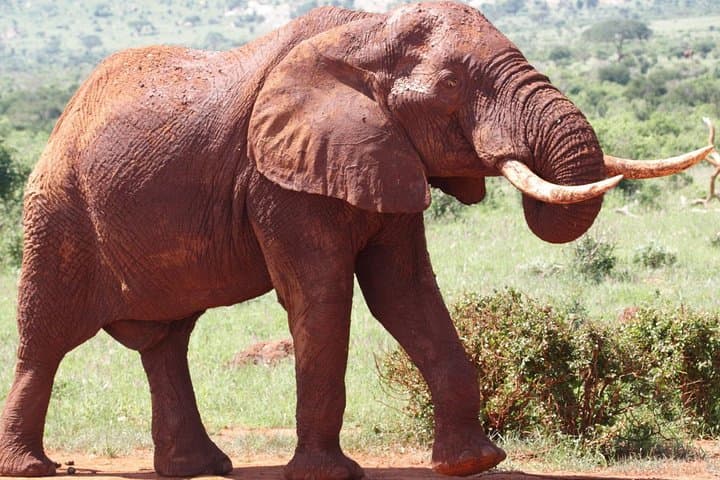
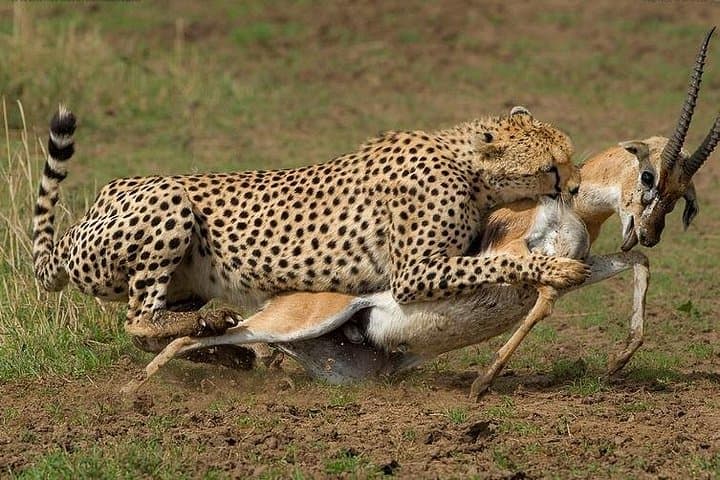
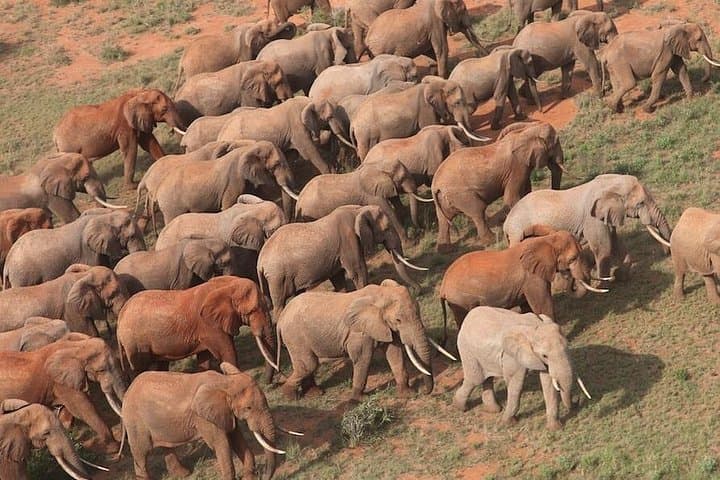
This private nine-day circuit follows Kenya’s classic wildlife arc. The Mara’s savanna is carved from ancient volcanic loam and hosts the region’s densest predator-prey networks. Nakuru’s alkaline basin supports bird-rich wetlands and a dedicated rhino sanctuary born from 20th-century conservation efforts. Amboseli’s flat floodplains frame Kilimanjaro’s geology—a basalt foundation lifting toward glacial ice. Tsavo East and West offer red-dust expanses, Mzima Springs’ clear pools, and volcanic ridgelines that speak to tectonic forces of the Rift.
Culturally, Maasai communities remain visible partners in land stewardship; expect respectful encounters and opportunities to learn about pastoral life.
Practically, the itinerary covers eight nights of lodge or tented accommodation with daily game drives typically 3–6 hours; several transfer legs range from three to six hours on mixed paved and gravel roads. Bring sun protection, sturdy yet comfortable footwear, and binoculars for distant sightings. Early mornings and late afternoons are prime for game viewing and photographic light; midday is for rest. Vaccinations, a valid passport, and travel insurance are essential. Vehicles are equipped for safari viewing, but long drives can be tiring—plan hydration, motion comfort, and realistic expectations for weather and sightings.
moderate.
9 days.
Suitable for travelers with basic mobility who can manage several hours of game driving, uneven lodge paths, and occasional short walks; not physically demanding.
The Maasai Mara hosts the migration primarily from July to October when wildebeest and zebra cross into Kenya from the Serengeti; exact timing can vary by year and rainfall.
This private tour lists national park fees and eight nights of accommodation as included; confirm room type and any optional extras with the operator before booking.
The itinerary notes suitability for a wide range of fitness levels, but children must be accompanied by an adult; travelers with spinal issues should take caution and consult the operator regarding vehicle boarding and lodge accessibility.
Routine vaccines plus yellow fever (if required by entry rules) and malaria precautions are commonly recommended for Kenya; consult a travel clinic well before departure.
Many parks on this route were formalized in the mid-20th century as colonial and post-colonial conservation areas; Maasai communities have managed grazing lands here for generations.
Rhino protection at Nakuru and community-based initiatives near the Mara are active; travelers help by following park rules, staying on tracks, and minimizing plastic waste.
Gracepatt Safaris operates guided outdoor trips and adventures with an emphasis on safety, stewardship, and memorable experiences.
You step out of Nairobi’s pre-dawn hush into a 4x4 that smells of dust and strong coffee, headlights carving a path toward the wide plains. By midmorning the land opens: the Maasai Mara’s grasses dare you to stay motionless while lions pad through a bronze haze; Lake Nakuru’s rims shimmer with flamingo-pink reflections; Amboseli waits under the slow, snow-capped stare of Kilimanjaro.
You step out of Nairobi’s pre-dawn hush into a 4x4 that smells of dust and strong coffee, headlights carving a path toward the wide plains. By midmorning the land opens: the Maasai Mara’s grasses dare you to stay motionless while lions pad through a bronze haze; Lake Nakuru’s rims shimmer with flamingo-pink reflections; Amboseli waits under the slow, snow-capped stare of Kilimanjaro.
This private nine-day circuit follows Kenya’s classic wildlife arc. The Mara’s savanna is carved from ancient volcanic loam and hosts the region’s densest predator-prey networks. Nakuru’s alkaline basin supports bird-rich wetlands and a dedicated rhino sanctuary born from 20th-century conservation efforts. Amboseli’s flat floodplains frame Kilimanjaro’s geology—a basalt foundation lifting toward glacial ice. Tsavo East and West offer red-dust expanses, Mzima Springs’ clear pools, and volcanic ridgelines that speak to tectonic forces of the Rift.
Culturally, Maasai communities remain visible partners in land stewardship; expect respectful encounters and opportunities to learn about pastoral life.
Practically, the itinerary covers eight nights of lodge or tented accommodation with daily game drives typically 3–6 hours; several transfer legs range from three to six hours on mixed paved and gravel roads. Bring sun protection, sturdy yet comfortable footwear, and binoculars for distant sightings. Early mornings and late afternoons are prime for game viewing and photographic light; midday is for rest. Vaccinations, a valid passport, and travel insurance are essential. Vehicles are equipped for safari viewing, but long drives can be tiring—plan hydration, motion comfort, and realistic expectations for weather and sightings.