THE ADVENTURE COLLECTIVE® · Independent discovery and booking for outdoor travel

Walk a working camel caravan across dunes, plateaus and palm-lined wadis on a nine-day trek to Erg Chegaga. Experience nomadic hospitality, long desert days and towering dunes with camp sleeps under the stars.
Walk a working camel caravan across dunes, plateaus and palm-lined wadis on a nine-day trek to Erg Chegaga. Experience nomadic hospitality, long desert days and towering dunes with camp sleeps under the stars.
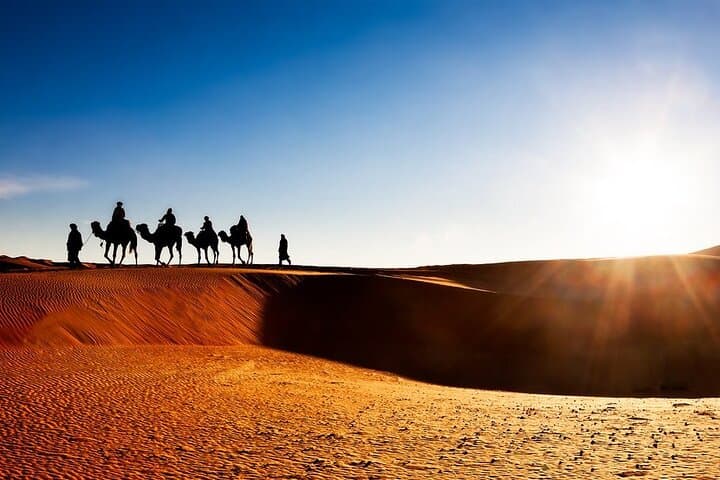
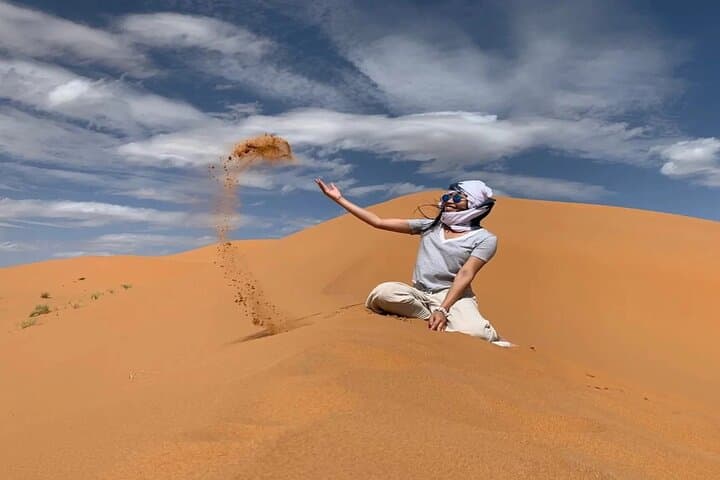
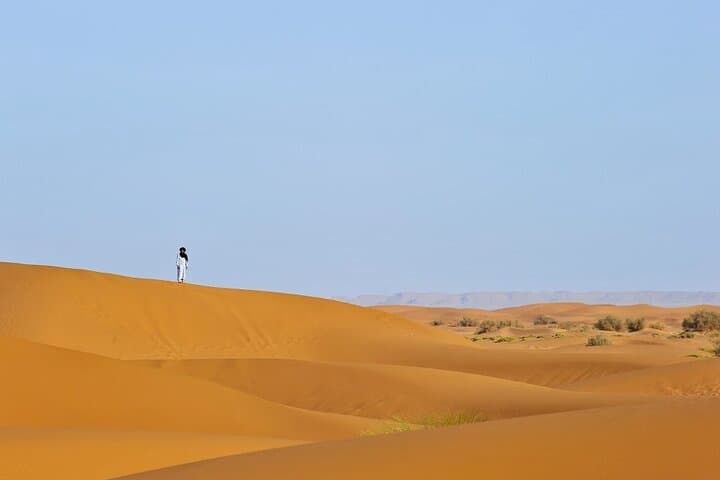
The first light in the Sahara arrives slow and brass-colored, and on this nine-day camel trek you’ll feel it wash across a line of dunes until the sand seems to wake and stretch. You walk with a small caravan—camels bearing gear, local drivers setting the pace—and the desert opens in stages: palm groves, salt flats, stone plateaus and finally the vast sea of Erg Chegaga where dunes climb like waves frozen in motion.
Verified experiences and guided adventures in the surrounding area.
Operated by Desertbrise Travel · M'Hamid, Drâa-Tafilalet
The first light in the Sahara arrives slow and brass-colored, and on this nine-day camel trek you’ll feel it wash across a line of dunes until the sand seems to wake and stretch. You walk with a small caravan—camels bearing gear, local drivers setting the pace—and the desert opens in stages: palm groves, salt flats, stone plateaus and finally the vast sea of Erg Chegaga where dunes climb like waves frozen in motion.
This route follows ancient caravan corridors that once linked oases and trading posts; you’ll pass a 16th‑century kasbah and small marabout shrines where oral histories are still told. Geologically the terrain shifts from alluvial terraces and fossil-strewn plateaus to wind-sculpted sand, evidence of changing climates and river courses over millennia.
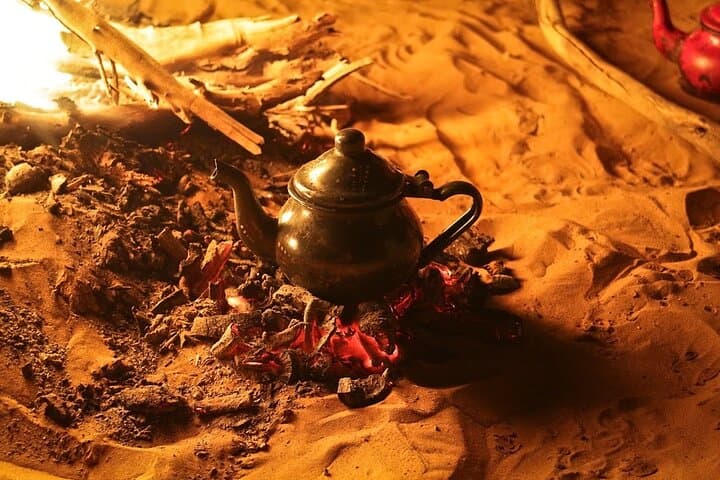
Culturally the trek is guided by nomadic practice: rhythm of the sun, shared tea breaks under tamarisk shade, and simple camps that teach how to read the land. Wildlife is discreet—desert foxes, lizards and the occasional wild camel keep their distance but mark the landscape.
Practical guidance: expect daily walks of 4–8 hours, mostly on sand and hard-packed tracks; mornings and evenings are cool, midday intense. Carry layered clothing, at least 3 liters of water, sun protection and sturdy footwear. The operator supplies meals, camps and camel transport for luggage, but bring a small daypack for personal items.
This trek is both a physical itinerary and a cultural exchange—slow travel that rewards patience, steady footing and curiosity.
moderate.
9 days.
Moderate endurance needed for consecutive days of 4–8 hours walking, carrying a small daypack; suitable for walkers who do regular aerobic exercise.
Daily walking ranges from 4–8 hours on sand and rough tracks; it’s rated moderate and paced with camel drivers so basic fitness is sufficient.
Accommodation in desert camps, most meals, camel caravan transport for luggage, local guides and transfers per the itinerary are included.
Pregnancy is not recommended due to remote conditions and long walking days; check operator policies for child age minimums and safety.
Bring cash in local currency for small purchases and tips; tipping camel drivers and guides at journey’s end is customary and appreciated.
The route follows historic caravan tracks linking southern oases with trading centers; nearby kasbahs reflect centuries of Berber and Saharan exchange.
The region is water‑scarce and ecologically fragile—use refillable containers, avoid single-use plastics and respect nomadic grazing areas.
Desertbrise Travel operates guided outdoor trips and adventures with an emphasis on safety, stewardship, and memorable experiences.
The first light in the Sahara arrives slow and brass-colored, and on this nine-day camel trek you’ll feel it wash across a line of dunes until the sand seems to wake and stretch. You walk with a small caravan—camels bearing gear, local drivers setting the pace—and the desert opens in stages: palm groves, salt flats, stone plateaus and finally the vast sea of Erg Chegaga where dunes climb like waves frozen in motion.
The first light in the Sahara arrives slow and brass-colored, and on this nine-day camel trek you’ll feel it wash across a line of dunes until the sand seems to wake and stretch. You walk with a small caravan—camels bearing gear, local drivers setting the pace—and the desert opens in stages: palm groves, salt flats, stone plateaus and finally the vast sea of Erg Chegaga where dunes climb like waves frozen in motion.
This route follows ancient caravan corridors that once linked oases and trading posts; you’ll pass a 16th‑century kasbah and small marabout shrines where oral histories are still told. Geologically the terrain shifts from alluvial terraces and fossil-strewn plateaus to wind-sculpted sand, evidence of changing climates and river courses over millennia.
Culturally the trek is guided by nomadic practice: rhythm of the sun, shared tea breaks under tamarisk shade, and simple camps that teach how to read the land. Wildlife is discreet—desert foxes, lizards and the occasional wild camel keep their distance but mark the landscape.
Practical guidance: expect daily walks of 4–8 hours, mostly on sand and hard-packed tracks; mornings and evenings are cool, midday intense. Carry layered clothing, at least 3 liters of water, sun protection and sturdy footwear. The operator supplies meals, camps and camel transport for luggage, but bring a small daypack for personal items.
This trek is both a physical itinerary and a cultural exchange—slow travel that rewards patience, steady footing and curiosity.