THE ADVENTURE COLLECTIVE® · Independent discovery and booking for outdoor travel

Traverse Cairo’s pyramids and the Grand Egyptian Museum, fly to Luxor’s temples and tombs, then unwind on Hurghada’s Red Sea beaches—this 9-day itinerary pairs deep cultural immersion with marine leisure.
Traverse Cairo’s pyramids and the Grand Egyptian Museum, fly to Luxor’s temples and tombs, then unwind on Hurghada’s Red Sea beaches—this 9-day itinerary pairs deep cultural immersion with marine leisure.
You arrive on the Giza plateau at dawn: wind skims across sun-warmed limestone, the Great Pyramid shoulders the pale sky and the Sphinx watches the road. The tour moves like that—sudden, tactile moments of antiquity followed by slower stretches of coast and coral.
Verified experiences and guided adventures in the surrounding area.
Operated by Look at Egypt Tours · Cairo, Cairo Governorate
You arrive on the Giza plateau at dawn: wind skims across sun-warmed limestone, the Great Pyramid shoulders the pale sky and the Sphinx watches the road. The tour moves like that—sudden, tactile moments of antiquity followed by slower stretches of coast and coral.
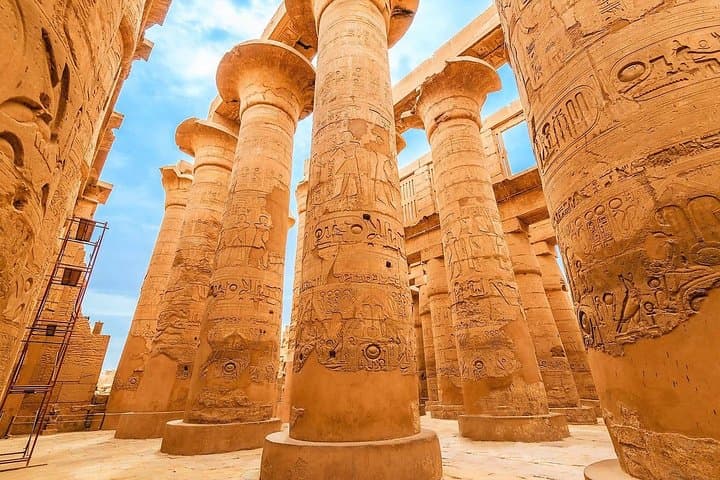
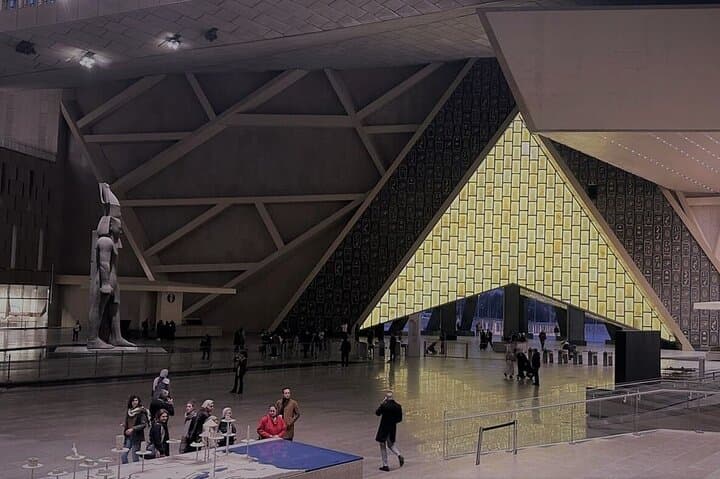
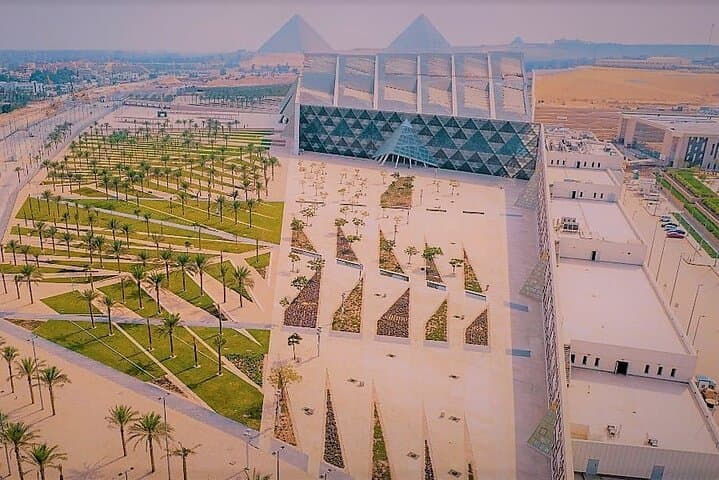
Starting in Cairo, the itinerary stitches 5,000 years of history: the Giza Pyramids and the Grand Egyptian Museum, where King Tut’s funerary objects sit amid new galleries. Geology here is simple and blunt—limestone bedrock and wind-scoured desert that preserved stonework for millennia. A short domestic flight deposits travelers in Luxor, often called the world’s largest open-air museum, with Karnak’s hypostyle halls, Luxor Temple on the Nile’s east bank, and the Valley of the Kings with tombs cut into the Theban cliffs.
The route then drops to the Red Sea: a three-hour drive from Luxor to Hurghada opens to all-inclusive resorts and coral gardens. The Red Sea’s reefs, formed on a young tectonic rift, offer clear water and abundant marine life—ideal for snorkeling or an introductory dive.
Practical guidance: the trip is paced but requires comfortable walking shoes, sun protection, and the ability to manage heat and crowds. Domestic flights and private transfers are included, and most sites have stairs and uneven surfaces. Bring a refillable water bottle, lightweight layers for cool desert evenings, and photocopies of travel documents. Expect guided museum time and optional water activities in Hurghada—plan snorkel reservations in advance during high season.
moderate.
9 days.
Moderate—able to walk 2–4 hours daily, handle flights and transfers, and tolerate heat.
Yes—domestic flights specified in the itinerary (Cairo–Luxor and Hurghada–Cairo) are included in the package.
The tour is marked suitable for all physical fitness levels, but many ancient sites have stairs and uneven surfaces; visitors with mobility needs should check specific site accessibility and inform the operator in advance.
Many nationalities require a visa; the tour operator offers arrival visa assistance—verify visa rules for your nationality before travel.
Water activities are optional—Hurghada accommodations are all-inclusive, but diving/snorkel excursions and equipment may be extra or bookable as add-ons.
This route threads Egypt’s New Kingdom heartland (Luxor) with pharaonic monuments and Cairo’s millennia of urban history—sites reflect continuous settlement along the Nile.
Many tombs use rotation and climate controls to limit visitor impact; coral reef operators in Hurghada follow reef-friendly practices—choose operators who enforce no-touch policies.
Look at Egypt Tours operates guided outdoor trips and adventures with an emphasis on safety, stewardship, and memorable experiences.

You arrive on the Giza plateau at dawn: wind skims across sun-warmed limestone, the Great Pyramid shoulders the pale sky and the Sphinx watches the road. The tour moves like that—sudden, tactile moments of antiquity followed by slower stretches of coast and coral.
You arrive on the Giza plateau at dawn: wind skims across sun-warmed limestone, the Great Pyramid shoulders the pale sky and the Sphinx watches the road. The tour moves like that—sudden, tactile moments of antiquity followed by slower stretches of coast and coral.
Starting in Cairo, the itinerary stitches 5,000 years of history: the Giza Pyramids and the Grand Egyptian Museum, where King Tut’s funerary objects sit amid new galleries. Geology here is simple and blunt—limestone bedrock and wind-scoured desert that preserved stonework for millennia. A short domestic flight deposits travelers in Luxor, often called the world’s largest open-air museum, with Karnak’s hypostyle halls, Luxor Temple on the Nile’s east bank, and the Valley of the Kings with tombs cut into the Theban cliffs.
The route then drops to the Red Sea: a three-hour drive from Luxor to Hurghada opens to all-inclusive resorts and coral gardens. The Red Sea’s reefs, formed on a young tectonic rift, offer clear water and abundant marine life—ideal for snorkeling or an introductory dive.
Practical guidance: the trip is paced but requires comfortable walking shoes, sun protection, and the ability to manage heat and crowds. Domestic flights and private transfers are included, and most sites have stairs and uneven surfaces. Bring a refillable water bottle, lightweight layers for cool desert evenings, and photocopies of travel documents. Expect guided museum time and optional water activities in Hurghada—plan snorkel reservations in advance during high season.