THE ADVENTURE COLLECTIVE® · Independent discovery and booking for outdoor travel

A nine‑day loop through Angkor’s temple labyrinth and Phnom Penh’s riverfront life, blending sunrise at Angkor Wat with Tonle Sap boat rides and city memorials. Practical tips on timing, dress code and what to expect in Cambodia’s wet and dry seasons.
A nine‑day loop through Angkor’s temple labyrinth and Phnom Penh’s riverfront life, blending sunrise at Angkor Wat with Tonle Sap boat rides and city memorials. Practical tips on timing, dress code and what to expect in Cambodia’s wet and dry seasons.
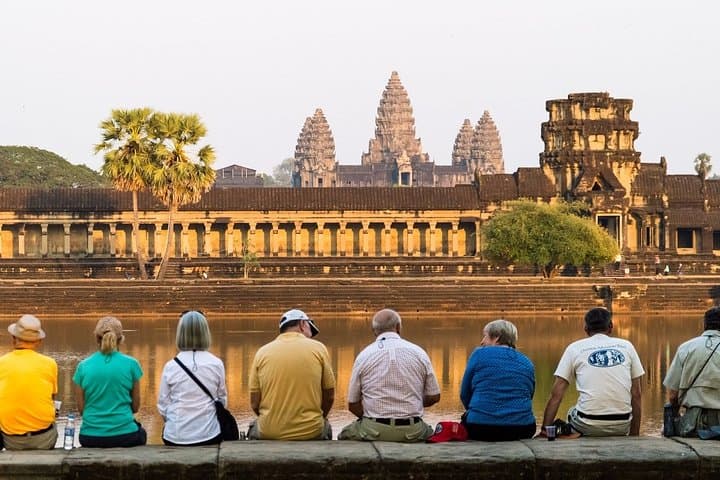
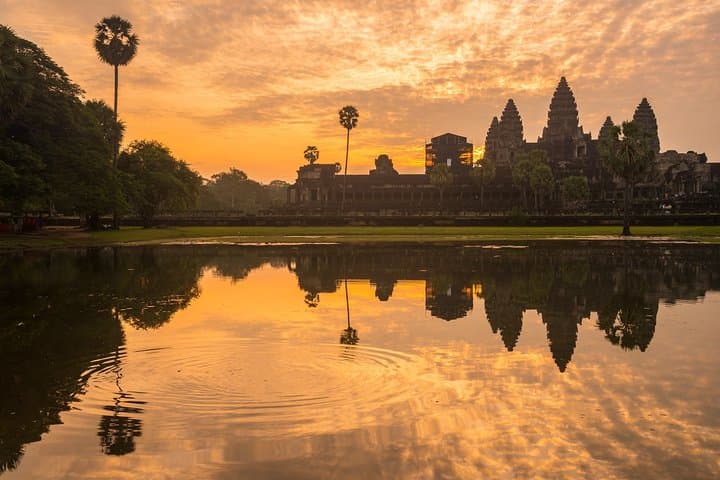
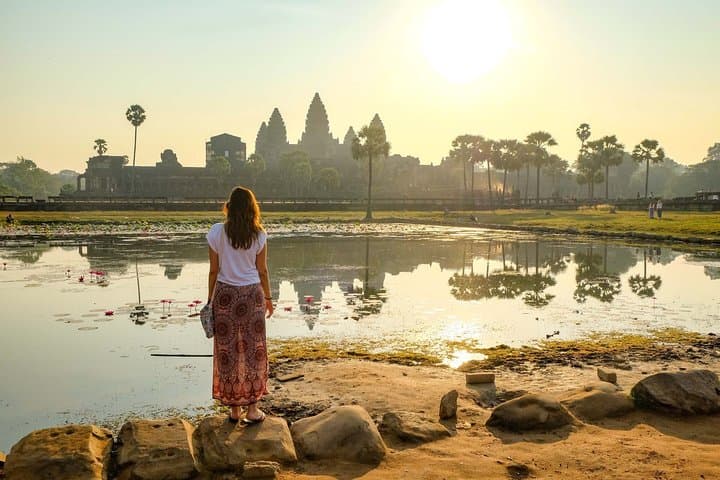
Dawn at Angkor Wat opens like a slow tide: silhouettes of five towers rise above the reflecting pool while tuk‑tuks hum awake behind you. Over nine days the itinerary moves from carved sandstone galleries and banyan‑rooted corridors to Phnom Penh’s riverfront boulevards and floating villages on the Tonle Sap — a rhythm of stone, water and city life.
Verified experiences and guided adventures in the surrounding area.
Operated by Asia Travel Links · Siem Reap, Siem Reap Province
Dawn at Angkor Wat opens like a slow tide: silhouettes of five towers rise above the reflecting pool while tuk‑tuks hum awake behind you. Over nine days the itinerary moves from carved sandstone galleries and banyan‑rooted corridors to Phnom Penh’s riverfront boulevards and floating villages on the Tonle Sap — a rhythm of stone, water and city life.
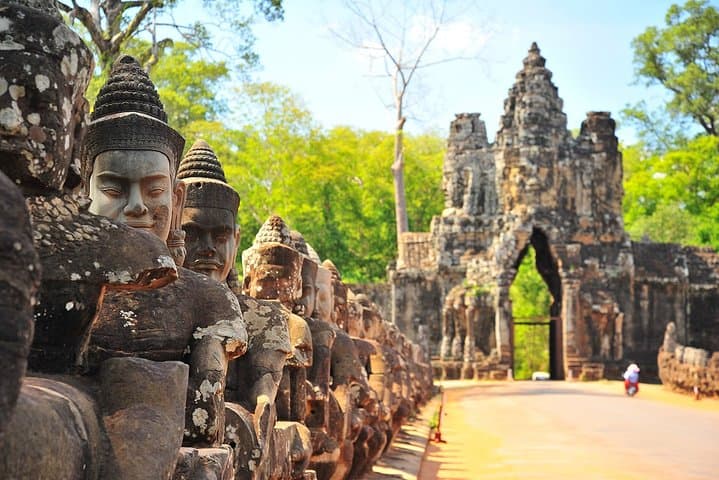
These sites span a millennium of Khmer history. Angkor’s pyramidal temple architecture and bas‑reliefs date mainly to the 9th–13th centuries; much of the complex was sculpted from sandstone and laterite, materials that weather and invite the rainforest to grow back into their crevices. Ta Prohm still lets giant roots tug at lintels, while Banteay Srei displays finer pink sandstone carving that reads like handwriting.
Culture here is tactile: markets selling prahok and silk, apsara dancers enacting epic scenes, and communities whose lives rise and fall with the monsoon. The Tonle Sap lake dares you to read how water shapes livelihoods — floating houses and seasonal fisheries respond to a changing floodplain.
Practical guidance: travel light, expect warm humid days and short monsoon showers. Temple etiquette is strict — shoulders and knees covered — and comfortable walking shoes are non‑negotiable; many temple floors are uneven. Start early to avoid crowds and heat; bring a refillable bottle and electrolytes. Plan for temple pass fees and factor time for slow travel between dispersed sites. Finally, leave space in your schedule for quiet observation: the best insights come from pausing on a mossed stair and letting the place speak.
easy.
9 days.
Suitable for travellers with average fitness; expect multiple days of walking on uneven stone and some short hikes.
Most nationalities require a visa; check current e‑visa or visa‑on‑arrival rules and ensure passport validity meets entry requirements.
This tour notes that entrance fees are included where specified — confirm which days and temples are covered before travel.
The pace is moderate with many stairs and uneven surfaces; it’s suitable for families and older travellers who can manage short walks and stairs.
Tipping is customary; a modest daily amount for guides and drivers is appreciated and can be given at tour end.
The Angkor complex was the political and religious heart of the Khmer Empire from the 9th to 15th centuries; laterite and sandstone were primary building materials shaped by successive Khmer kings.
Rising visitor numbers stress fragile temple masonry and local water systems; support licensed guides, avoid touching carvings, and use refillable bottles to reduce plastic waste.
Asia Travel Links operates guided outdoor trips and adventures with an emphasis on safety, stewardship, and memorable experiences.
Dawn at Angkor Wat opens like a slow tide: silhouettes of five towers rise above the reflecting pool while tuk‑tuks hum awake behind you. Over nine days the itinerary moves from carved sandstone galleries and banyan‑rooted corridors to Phnom Penh’s riverfront boulevards and floating villages on the Tonle Sap — a rhythm of stone, water and city life.
Dawn at Angkor Wat opens like a slow tide: silhouettes of five towers rise above the reflecting pool while tuk‑tuks hum awake behind you. Over nine days the itinerary moves from carved sandstone galleries and banyan‑rooted corridors to Phnom Penh’s riverfront boulevards and floating villages on the Tonle Sap — a rhythm of stone, water and city life.
These sites span a millennium of Khmer history. Angkor’s pyramidal temple architecture and bas‑reliefs date mainly to the 9th–13th centuries; much of the complex was sculpted from sandstone and laterite, materials that weather and invite the rainforest to grow back into their crevices. Ta Prohm still lets giant roots tug at lintels, while Banteay Srei displays finer pink sandstone carving that reads like handwriting.
Culture here is tactile: markets selling prahok and silk, apsara dancers enacting epic scenes, and communities whose lives rise and fall with the monsoon. The Tonle Sap lake dares you to read how water shapes livelihoods — floating houses and seasonal fisheries respond to a changing floodplain.
Practical guidance: travel light, expect warm humid days and short monsoon showers. Temple etiquette is strict — shoulders and knees covered — and comfortable walking shoes are non‑negotiable; many temple floors are uneven. Start early to avoid crowds and heat; bring a refillable bottle and electrolytes. Plan for temple pass fees and factor time for slow travel between dispersed sites. Finally, leave space in your schedule for quiet observation: the best insights come from pausing on a mossed stair and letting the place speak.