THE ADVENTURE COLLECTIVE® · Independent discovery and booking for outdoor travel

Nine days across Sri Lanka compress ancient capitals, tea-scented highlands, elephant gatherings and whale-rich seas into a private, guided tour. Follow a practical route that balances culture, wildlife and beach time—ideal if you want a deep, efficient introduction to the island.
Nine days across Sri Lanka compress ancient capitals, tea-scented highlands, elephant gatherings and whale-rich seas into a private, guided tour. Follow a practical route that balances culture, wildlife and beach time—ideal if you want a deep, efficient introduction to the island.
You step out of Bandaranaike International Airport into a sticky twilight where the air smells of coconut smoke and diesel—Sri Lanka announces itself at once. Over nine days a private driver becomes both guide and local compass, unfolding a route that stitches Sigiriya’s rocky crown, the tea-stepped highlands, a leopard-scouted national park, and the glossy blue of Mirissa into a single moving picture.
Verified experiences and guided adventures in the surrounding area.
Operated by Travel Sri Lanka · Colombo, Western Province
You step out of Bandaranaike International Airport into a sticky twilight where the air smells of coconut smoke and diesel—Sri Lanka announces itself at once. Over nine days a private driver becomes both guide and local compass, unfolding a route that stitches Sigiriya’s rocky crown, the tea-stepped highlands, a leopard-scouted national park, and the glossy blue of Mirissa into a single moving picture.
On day one the rock at Dambulla rises—160 m of painted caves and Buddha statues—then Sigiriya looms on day three: a near-vertical lump of laterite whose summit once cradled a 5th-century palace. Walk the winding stairways where frescoes keep watch and learn how King Kassapa engineered water gardens and mirror walls into a fortified pleasure-ground. The itinerary moves historically and geologically: Polonnaruwa’s 12th-century urban grid reflects a sophisticated hydraulic civilization; the hill country’s red soils and cool mist are the result of ancient uplift and heavy monsoonal rains that favor the tea estates whose terraces read like topographic maps.
Kandy offers ritual and rhythm—temple bells, the Temple of the Tooth, and an evening cultural performance that compresses Kandyan dance, drumming and masked pageantry into an intense hour. The train from Nanu Oya to Ella is its own pilgrimage: glassy windows frame endless bands of tea bushes, waterfalls and villages where life pulses at a slower cadence.
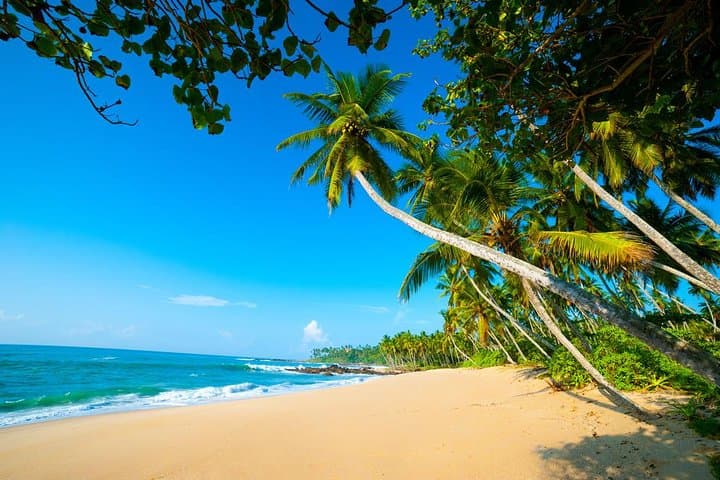
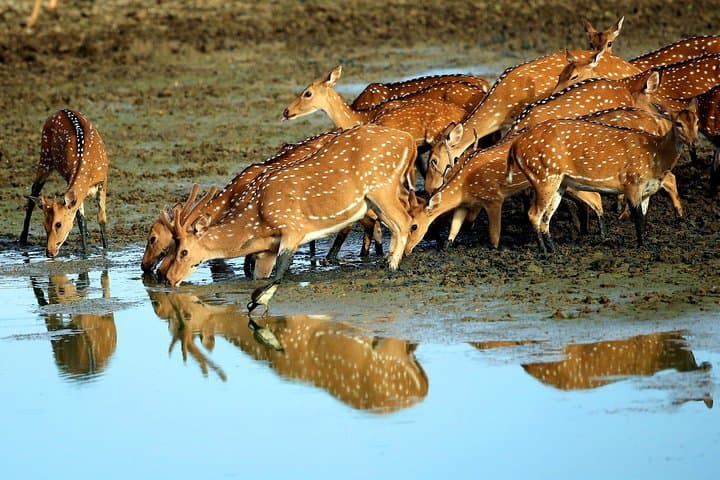
Wildlife is a practical hook: Minneriya’s seasonal gathering can host hundreds of elephants; Yala promises leopards if luck is on your side; Mirissa’s deep-sea waters attract blue and sperm whales. The trip combines these wild encounters with restorative beach time in Mirissa and Bentota and community-focused stops—turtle hatcheries and cinnamon islands—where tourism interfaces directly with conservation.
Practical guidance: plan for a rhythm of early mornings (to beat heat and crowds) and long drives—daily transfers average two to five hours—so pack light but layered. Bring a sturdy pair of walking shoes for Sigiriya and Little Adam’s Peak (expect 200–300 m elevation gain on short hikes), a sun hat, reef-safe sunscreen for whale watching, and a waterproof shell for sudden showers in the hills. Hydrate constantly—the coast’s humidity and the highlands’ brisk air both demand attention. Cash and local SIM cards make life easier in small towns; tipping drivers and guides is customary.
For travelers with limited time, this private, door-to-door format maximizes experiences without the hassle of juggling tickets. It’s a compact introduction to Sri Lanka’s cultural strata and wild places—fast-moving, sensory, and designed so you leave with both photographs and context.
moderate.
9 days (multi-day tour).
Suitable for travelers with basic fitness; expect short hikes (200–300 m gains) and several multi-hour transfers.
Most nationalities require an eTA or tourist visa for Sri Lanka—apply in advance online and confirm requirements for your passport country.
Yes, this is a private tour with a dedicated driver/guide and customizable pickups and drop-offs per booking notes.
Routine vaccinations are recommended; consult a travel clinic for advice on hepatitis A, typhoid, and malaria risk in some regions.
Expect transfers of two to five hours on many days; the itinerary balances driving with multiple stopovers to break up longer stretches.
December to April is the prime season for blue and sperm whales off the south coast near Mirissa.
Yes—vegetarian options are available; inform the supplier at booking of any special dietary requirements.
The route highlights Sri Lanka’s successive capitals—Anuradhapura, Polonnaruwa and the hill fortress of Sigiriya—each reflecting different eras of irrigation, religion and royal power.
The tour includes community conservation stops like turtle hatcheries and promotes responsible whale-watching practices to minimize disturbance and support local programs.
Travel Sri Lanka operates guided outdoor trips and adventures with an emphasis on safety, stewardship, and memorable experiences.
You step out of Bandaranaike International Airport into a sticky twilight where the air smells of coconut smoke and diesel—Sri Lanka announces itself at once. Over nine days a private driver becomes both guide and local compass, unfolding a route that stitches Sigiriya’s rocky crown, the tea-stepped highlands, a leopard-scouted national park, and the glossy blue of Mirissa into a single moving picture.
You step out of Bandaranaike International Airport into a sticky twilight where the air smells of coconut smoke and diesel—Sri Lanka announces itself at once. Over nine days a private driver becomes both guide and local compass, unfolding a route that stitches Sigiriya’s rocky crown, the tea-stepped highlands, a leopard-scouted national park, and the glossy blue of Mirissa into a single moving picture.
On day one the rock at Dambulla rises—160 m of painted caves and Buddha statues—then Sigiriya looms on day three: a near-vertical lump of laterite whose summit once cradled a 5th-century palace. Walk the winding stairways where frescoes keep watch and learn how King Kassapa engineered water gardens and mirror walls into a fortified pleasure-ground. The itinerary moves historically and geologically: Polonnaruwa’s 12th-century urban grid reflects a sophisticated hydraulic civilization; the hill country’s red soils and cool mist are the result of ancient uplift and heavy monsoonal rains that favor the tea estates whose terraces read like topographic maps.
Kandy offers ritual and rhythm—temple bells, the Temple of the Tooth, and an evening cultural performance that compresses Kandyan dance, drumming and masked pageantry into an intense hour. The train from Nanu Oya to Ella is its own pilgrimage: glassy windows frame endless bands of tea bushes, waterfalls and villages where life pulses at a slower cadence.
Wildlife is a practical hook: Minneriya’s seasonal gathering can host hundreds of elephants; Yala promises leopards if luck is on your side; Mirissa’s deep-sea waters attract blue and sperm whales. The trip combines these wild encounters with restorative beach time in Mirissa and Bentota and community-focused stops—turtle hatcheries and cinnamon islands—where tourism interfaces directly with conservation.
Practical guidance: plan for a rhythm of early mornings (to beat heat and crowds) and long drives—daily transfers average two to five hours—so pack light but layered. Bring a sturdy pair of walking shoes for Sigiriya and Little Adam’s Peak (expect 200–300 m elevation gain on short hikes), a sun hat, reef-safe sunscreen for whale watching, and a waterproof shell for sudden showers in the hills. Hydrate constantly—the coast’s humidity and the highlands’ brisk air both demand attention. Cash and local SIM cards make life easier in small towns; tipping drivers and guides is customary.
For travelers with limited time, this private, door-to-door format maximizes experiences without the hassle of juggling tickets. It’s a compact introduction to Sri Lanka’s cultural strata and wild places—fast-moving, sensory, and designed so you leave with both photographs and context.