THE ADVENTURE COLLECTIVE® · Independent discovery and booking for outdoor travel

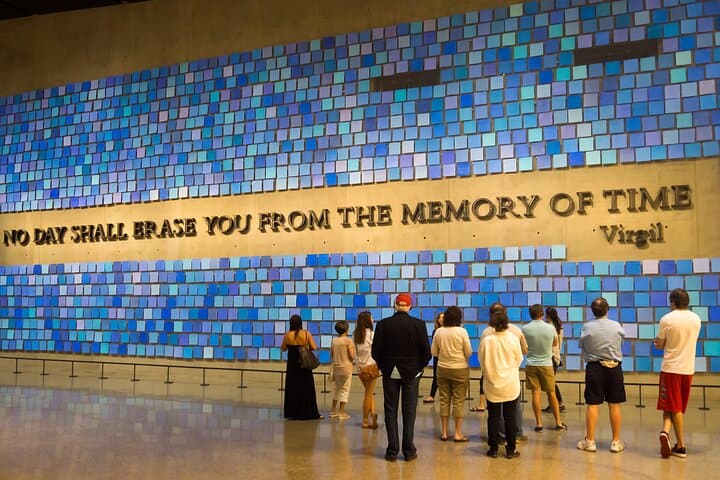
Walk from St. Paul’s Chapel to the 9/11 Memorial, passing the Oculus, Liberty Park and the FDNY Wall with an expert guide. Optional museum admission adds a deeply personal, artifact-driven account of the events and aftermath.
Walk from St. Paul’s Chapel to the 9/11 Memorial, passing the Oculus, Liberty Park and the FDNY Wall with an expert guide. Optional museum admission adds a deeply personal, artifact-driven account of the events and aftermath.
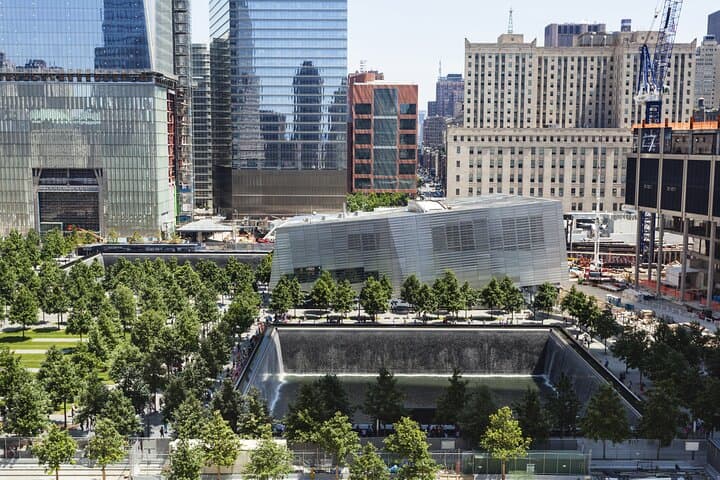
You step from the plaza into a stillness that the city does not often keep—footsteps softened on bronze panels, water falling in a measured hush where towers once stood. The tour opens at St. Paul’s Chapel, its brick walls having sheltered recovery crews in 2001; the guide uses that small sanctuary to frame a story of loss, courage, and rebuilding.
Verified experiences and guided adventures in the surrounding area.
Operated by City Wonders USA · New York, NY
You step from the plaza into a stillness that the city does not often keep—footsteps softened on bronze panels, water falling in a measured hush where towers once stood. The tour opens at St. Paul’s Chapel, its brick walls having sheltered recovery crews in 2001; the guide uses that small sanctuary to frame a story of loss, courage, and rebuilding.
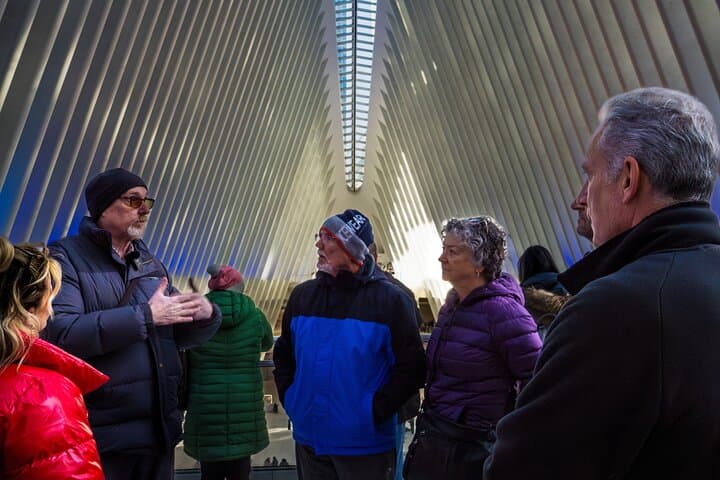
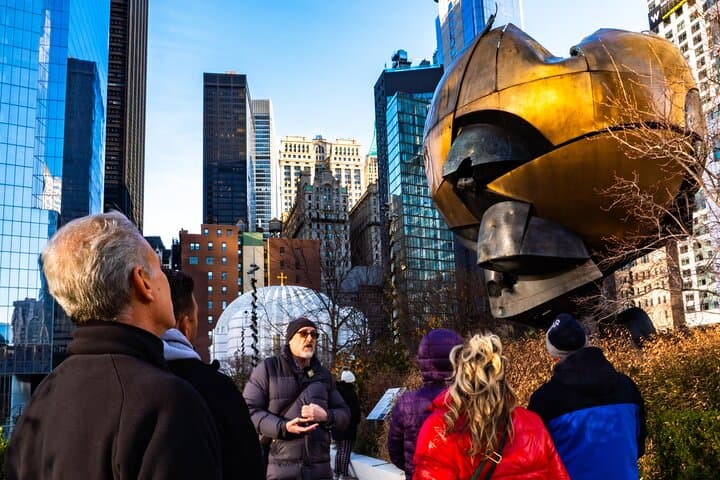
From the chapel you move through contemporary landmarks: the Oculus’ skeletal ribs that seem to breathe light into the transit hub, Brookfield Place’s glass atrium facing the Hudson, and Liberty Park with its Survivor Tree looking out over the site. Geology here is urban—land reclaimed and regraded, bedrock and landfill shaping foundations beneath glass and concrete. Culture and memory are layered: colonial-era church stones sit a few blocks from One World Trade Center’s glass curtain, a modern vertical marker rising from a site of national trauma.
Practicalities are simple but firm. Expect 1.5–2 hours of walking on paved surfaces, some stairs and security screening to enter the museum if you selected that option. Photography is allowed in most outdoor areas; the museum has specific rules and airport-style security. Wear comfortable shoes, carry water, and plan your visit off-peak if you need quieter reflection time.
The experience is not an adrenaline outing but an active, thoughtful urban walk—one that asks for attention, respect, and a readiness to listen to the human stories etched into the city’s fabric.
moderate.
1.5–2 hours.
Suitable for people who can walk 2–3 miles on paved, sometimes uneven surfaces and manage a few stairs.
Yes—booked tours confirm your spot; museum entry is optional and included only if you select that ticket option.
Strollers are allowed on the walking route but the group tour may not accommodate baby carriages; visitors should consult the museum’s accessibility guidelines for entry.
Photography is permitted in most outdoor areas; the museum has restricted zones—follow posted rules and staff instructions.
Gratuities are appreciated for excellent service but not obligatory; tip at your discretion.
St. Paul’s Chapel (1766) served as a volunteer relief center after 9/11; the Memorial sits in the footprints of the original Twin Towers and the museum preserves artifacts recovered from the site.
The Memorial and Museum operate under preservation and respectful-use policies—stay on paths, do not remove or touch artifacts, and follow staff guidance to protect sensitive exhibits.
City Wonders USA operates guided outdoor trips and adventures with an emphasis on safety, stewardship, and memorable experiences.
You step from the plaza into a stillness that the city does not often keep—footsteps softened on bronze panels, water falling in a measured hush where towers once stood. The tour opens at St. Paul’s Chapel, its brick walls having sheltered recovery crews in 2001; the guide uses that small sanctuary to frame a story of loss, courage, and rebuilding.
You step from the plaza into a stillness that the city does not often keep—footsteps softened on bronze panels, water falling in a measured hush where towers once stood. The tour opens at St. Paul’s Chapel, its brick walls having sheltered recovery crews in 2001; the guide uses that small sanctuary to frame a story of loss, courage, and rebuilding.
From the chapel you move through contemporary landmarks: the Oculus’ skeletal ribs that seem to breathe light into the transit hub, Brookfield Place’s glass atrium facing the Hudson, and Liberty Park with its Survivor Tree looking out over the site. Geology here is urban—land reclaimed and regraded, bedrock and landfill shaping foundations beneath glass and concrete. Culture and memory are layered: colonial-era church stones sit a few blocks from One World Trade Center’s glass curtain, a modern vertical marker rising from a site of national trauma.
Practicalities are simple but firm. Expect 1.5–2 hours of walking on paved surfaces, some stairs and security screening to enter the museum if you selected that option. Photography is allowed in most outdoor areas; the museum has specific rules and airport-style security. Wear comfortable shoes, carry water, and plan your visit off-peak if you need quieter reflection time.
The experience is not an adrenaline outing but an active, thoughtful urban walk—one that asks for attention, respect, and a readiness to listen to the human stories etched into the city’s fabric.